











New amendments to the RGIE come into force on 1 March 2025
Texte Wouter Polspoel | Photos Pixabay
The amendments to the General Regulations on Electrical Installations (RGIE), the Belgian legislation setting out the rules for installing and using electrical installations in domestic, commercial and industrial applications, laid down in the Royal Decree (RD) of 3 October 2024, will come into force on 1 March 2025. The amendments affect all three books of the RGIE.
Electricians among the readership of Installation & Construction will probably already know enough about it, but a quick reminder never hurts, so we will briefly summarise what the RGIE is and what it covers. The aim of the RGIE is to protect people, property and animals by imposing strict standards for low-, medium- and high-voltage electrical installations. It contains rules designed to prevent short circuits, overloads and electric shocks. The RGIE applies to all new electrical installations, as well as to renovations and extensions of existing installations, which must also comply with its provisions. Installers and owners of electrical installations that do not comply with the RGIE, which must be inspected at regular intervals, risk fines and prosecution if a fire or accident is caused by the electrical installation. Since June 2020, the RGIE has been divided into three separate books, each divided into nine parts. Book 1 contains the rules for low- and extra-low-voltage electrical installations, Book 2 covers high-voltage electrical installations, and Book 3 sets out the provisions for electrical energy transmission and distribution installations.
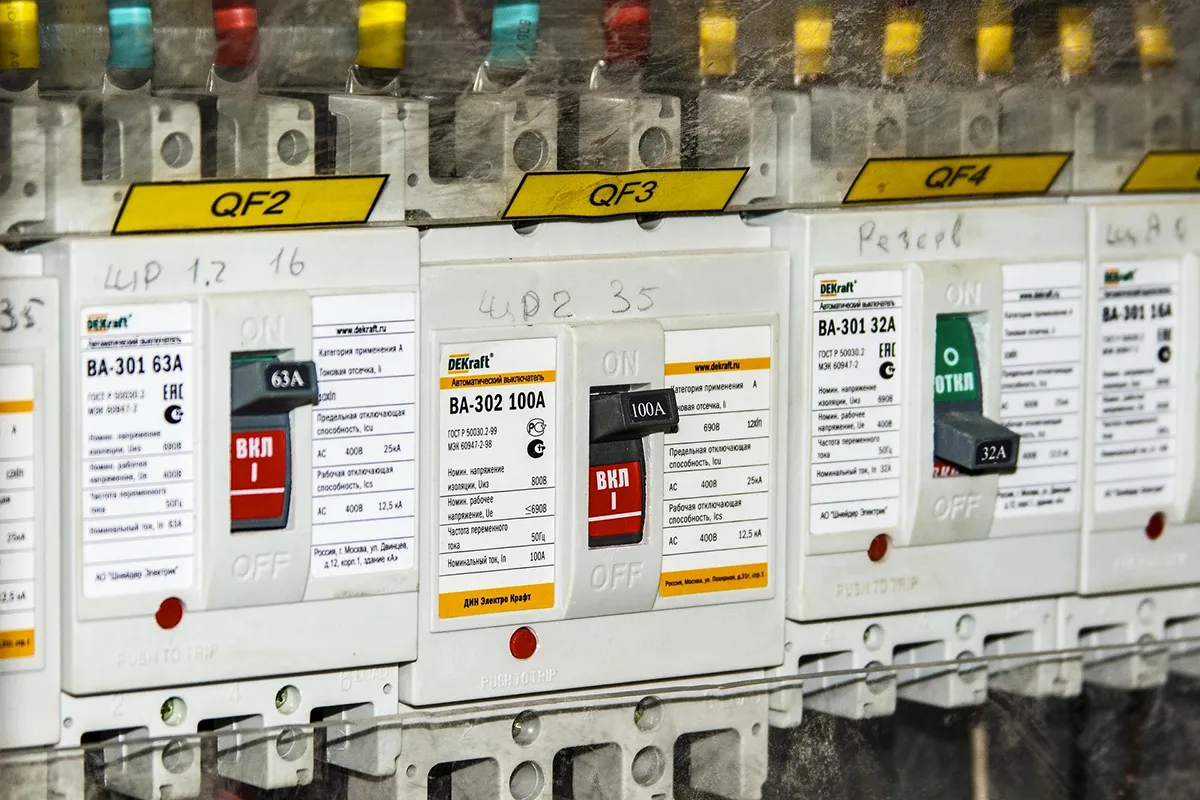
Amendments to all three books
Since the RGIE was divided into three books, it has already been amended several times by Royal Decree. Another update is now set to follow, as laid down in the Royal Decree of 3 October 2024, published in the Belgian Official Gazette on 28 October. The decree will come into force on 1 March 2025. It introduces amendments to all three books of the RGIE. Here is a summary:
1. Locations containing a bath and/or shower
- new specific requirements in Chapter 7.1 of Book 1 for electrical installations in these locations;
- impact of the new requirements in Book 1 (Subsections 4.2.2.5 a & c and 4.2.4.3 b);
- derogating provisions in Parts 6 and 8 of Book 1 for existing electrical installations in these locations, and for non-substantial modifications and extensions carried out there…;
- transitional provisions in Chapter 7.1 of Book 1 for projects and works started before 1 March 2025, provided that the pre-commissioning conformity inspection takes place on or after 1st March 2025;
- repeal of Section 7.2.5 of Book 1 (private swimming pools in domestic installations
- application of Chapter 7.2 of Book 1 and balneotherapy installations
- application of Chapter 7.1 or 7.2 of Book 1, depending on the type of installation).
2. Locations accessible to the public
- addition of a definition in Subsection 2.2.1.1 of Books 1, 2 and 3;
- standardisation of the term in Books 1, 2 and 3;
- new requirement to indicate these locations on the external influences document for non-domestic installations (Section 9.1.6 of Book 1, Section 9.1.5 of Book 2 and Section 9.1.5 of Book 3);
- two-year transitional provisions for indicating these locations for existing non-domestic installations (Article 60 of the Royal Decree of 3 October 2024).
3. Socket-outlets
- new requirements in Subsection 5.3.5.2 of Book 1 for installing low-voltage socket-outlets in domestic and non-domestic AC installations:
- IP protection rating;
- applicable standard;
- other permitted socket-outlets;
- derogating provisions in Parts 6 and 8 of Book 1 for existing electrical installations;
- transitional provisions in Subsection 5.3.5.2 of Book 1 for projects and works started before 1st March 2025, provided that the pre-commissioning conformity inspection takes place on or after 1st March 2025.
4. Other amendments
- correction of Figure 4.11 (Subsection 4.2.4.3 b of Book 1);
- clarification of the Dutch text concerning the local installation of supplementary equipotential bonding (Subsection 4.2.3.2 of Books 1 and 3);
- addition of compliance with the NBN standard for distribution and control boards in locations accessible to the public (Subsection 5.3.5.1 a of Books 1 and 3);
- correction of certain Dutch terms in Books 1, 2 and 3 (genaakbare, bewapening, pantsering, bepantsering);
- correction of certain terms in Book 1 (not included in the amendments made by the Royal Decree of 5 March 2023).
That is a lot of new information, it is true. But, like all the previous amendments, these changes are intended to make electrical installations even safer, so there is little reason to complain. The revised books can be downloaded here: https://economie.fgov.be/fr/publications/reglement-general-sur-les
Question about this story? Ask your question
Keep following this
Get an email when a new story is published. No account needed.
- ThemeSafe and adaptable electrical installations
- SubjectNews







