Solar PV in Brussels and Wallonia: what to expect in 2022
The green certificate grant rates for solar PV, applicable in Brussels and Wallonia from 1 January 2022, have been officially published. The situation in Wallonia, however, remains unclear, particularly for large PV systems, which also experienced a regulatory vacuum during the first 3 weeks of January 2022. Here’s the latest.
Brussels: more green certificates and a different grant rate for BIPV
Several important changes have been implemented in the Brussels-Capital Region.
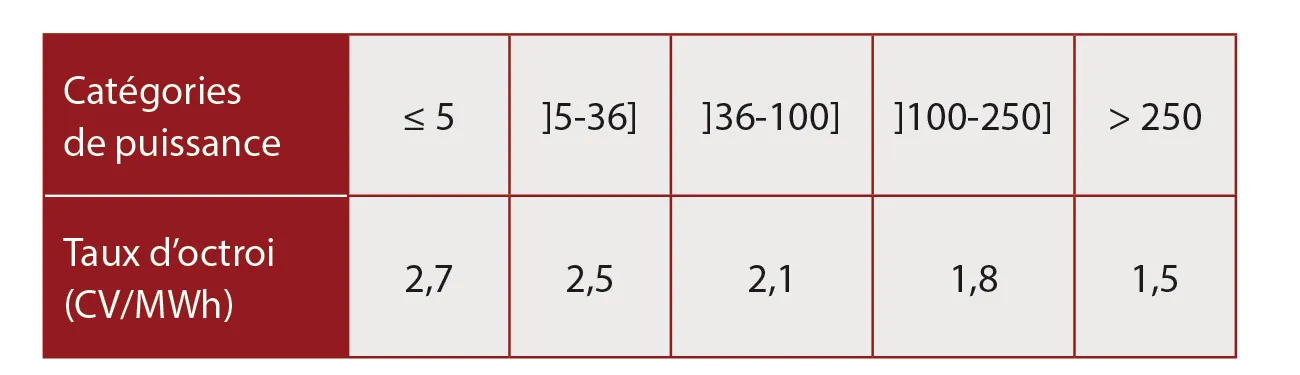
A revision of the multipliers used to calculate the number of green certificates awarded to PV systems has increased the grant rates applicable from 1 January 2022. The rates have risen by 4% to 15%, depending on the capacity band. For more information, see the ministerial order of 14 October 2021, published in the Belgian Official Gazette and based on Brugel proposal 28.
Since 1 December 2021, building-integrated photovoltaic systems (BIPV) in Brussels have benefited from a green certificate scheme separate from that for standard PV installations. The number of certificates awarded to BIPV systems is calculated using a formula set out in Article 17 of the government order of 28 October 2021, based on Brugel proposal 27bis. The multipliers depend on the type of BIPV installation: skylights, PV guardrails, PV sunshades, ventilated PV façades, repetitive structures, fully integrated roofs and solar tiles. These measures target a payback period of 7 years.
As a reminder, the Brussels-Capital Region ended partial net metering for prosumers on 1 November 2021. Since early 2020, the network-cost component of the electricity bill had no longer been offset for PV installations below 5kW. The energy component, or “commodity” cost, will no longer be offset either. More information about these changes is available on the Brugel website: www.brugel.be.
Wallonia: regulatory clarifications come late
The Walloon kEco PV values applicable from 1 January to 30 June 2022 were published on the SPW Energie website last December:
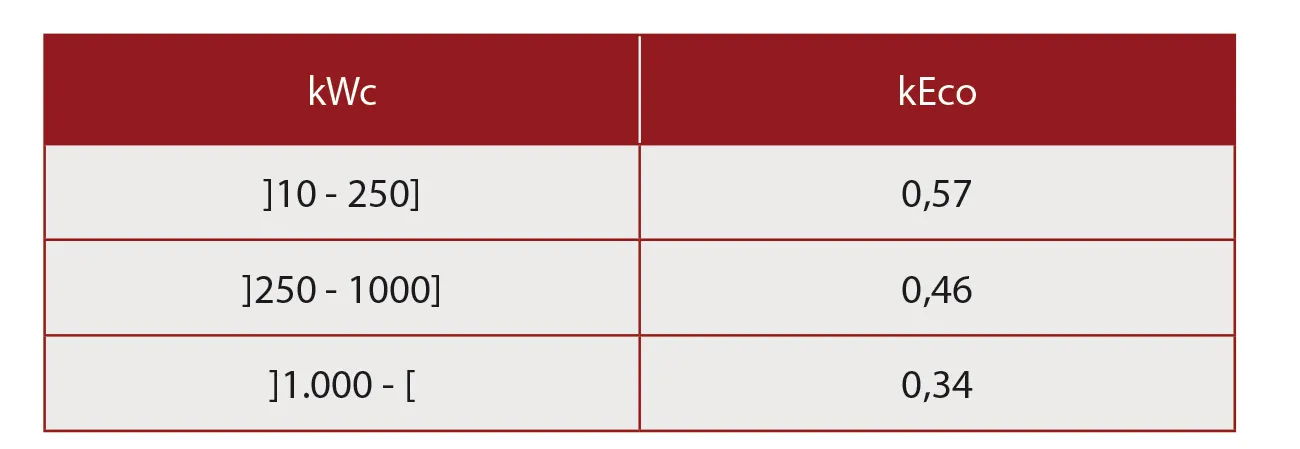
This represents a decrease of 11 to 13% compared with the previous values, explained by the calculation variable relating to future increases in electricity prices. The variables relating to investment costs have been deliberately frozen. Asked about this exceptional decision, the Administration and the office of the Walloon Minister explained that the kEco values would have been even lower had historical Capex variables been taken into account.
Changes to the rules for revising the “rho” correction factor, which is used to calculate the green certificate grant rate, have also been approved. The “rho” coefficient is set at 1 for the first three years of production, after which it is revised annually.
The regulatory framework for granting green certificates to new renewable energy generation systems was due to expire on 31 December 2021. However, with no confirmation of a new grant methodology, and after a three-week legal vacuum from 1 to 19 January 2022, the Walloon Government finally voted to extend the old kEco-based regulatory framework until the end of 2022. This extension sets a new deadline for the introduction of the new green certificate grant methodology, based on the levelised average cost of production (CPMA). Details of how the new methodology will apply to the PV sector are currently being discussed with the industry.
In practice, this regulatory uncertainty surrounding large-scale PV has little impact on the timetable for reserving green certificates for the PV sector. The situation with the green certificate allocation for PV remains unchanged: based on the latest update on the status of the allocations, dated 16 December 2021, they are mathematically fully committed at least until the end of 2023.
Regarding the fully committed allocations, the office of Minister Henry has yet to propose a short-term solution beyond the standard annual cross-sector process. Several industry federations, including Techlink, have been asking the Minister’s office for months to identify ways to free up these allocations in the short term, for example by reactivating reserved but unused certificates.
On 12 January, the Walloon Administration responsible for spatial planning published a government circular setting out the rules for planning permit applications for PV projects. While it does provide some clarification on ground-mounted PV projects, the circular’s overall approach is to favour installations integrated into the landscape and limit land use. More information is available on the Wallonia Spatial Planning and Urban Planning website.
As a reminder, the environmental contribution for PV panels came into force in Wallonia on 1 January 2022 (€2 excluding VAT per panel). It requires companies placing PV panels on the market for the first time to fund their collection and recycling. More information at www.pvcycle.be.
Finally, for residential PV (< 10 kVA), an appeal against the “prosumer” decree adopted at the end of 2020 is still pending before the Council of State. The decree ends net metering, meaning the meter running backwards, by the end of 2023 for new installations and by 2030 for all PV systems < 10 kVA. At the time of writing, the Council of State has yet to issue its decision.
As the largest representative of PV installation companies across the 3 regions, Techlink is dismayed by the persistent uncertainty surrounding Wallonia’s regulatory framework and support for PV. Industry players are making their position clearer each year: the PV sector needs regulatory stability and a long-term vision more than public support for immediate profitability. The current measures, or, in this case, the lack of clear measures, taken by the public authorities to facilitate the deployment of PV across Wallonia run counter to the sector’s potential to help the Region meet its targets under the PNEC. This ongoing confusion is delaying the Region’s progress towards greater energy independence. With energy prices reaching unprecedented highs, these delays are having a real impact on electricity bills for Walloon households and businesses.
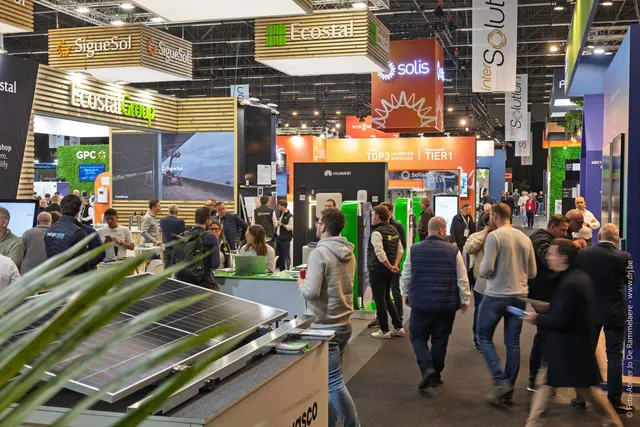
Techlink attended Intersolution at Flanders Expo on 19 & 20 January 2022, the leading solar energy trade fair in the Benelux.
Photovoltaic energy plays an essential role in the energy transition. Techlink is seeing an increase in battery systems and control tools, as well as wider integration with the electric vehicle sector. In the current climate, solar panels remain a sound investment, both economically and socially.
Question about this story? Ask your question
Keep following this
Get an email when a new story is published. No account needed.
- ThemeGenerating and managing energy
- SubjectPhotovoltaics