Safe loading requires an integrated approach
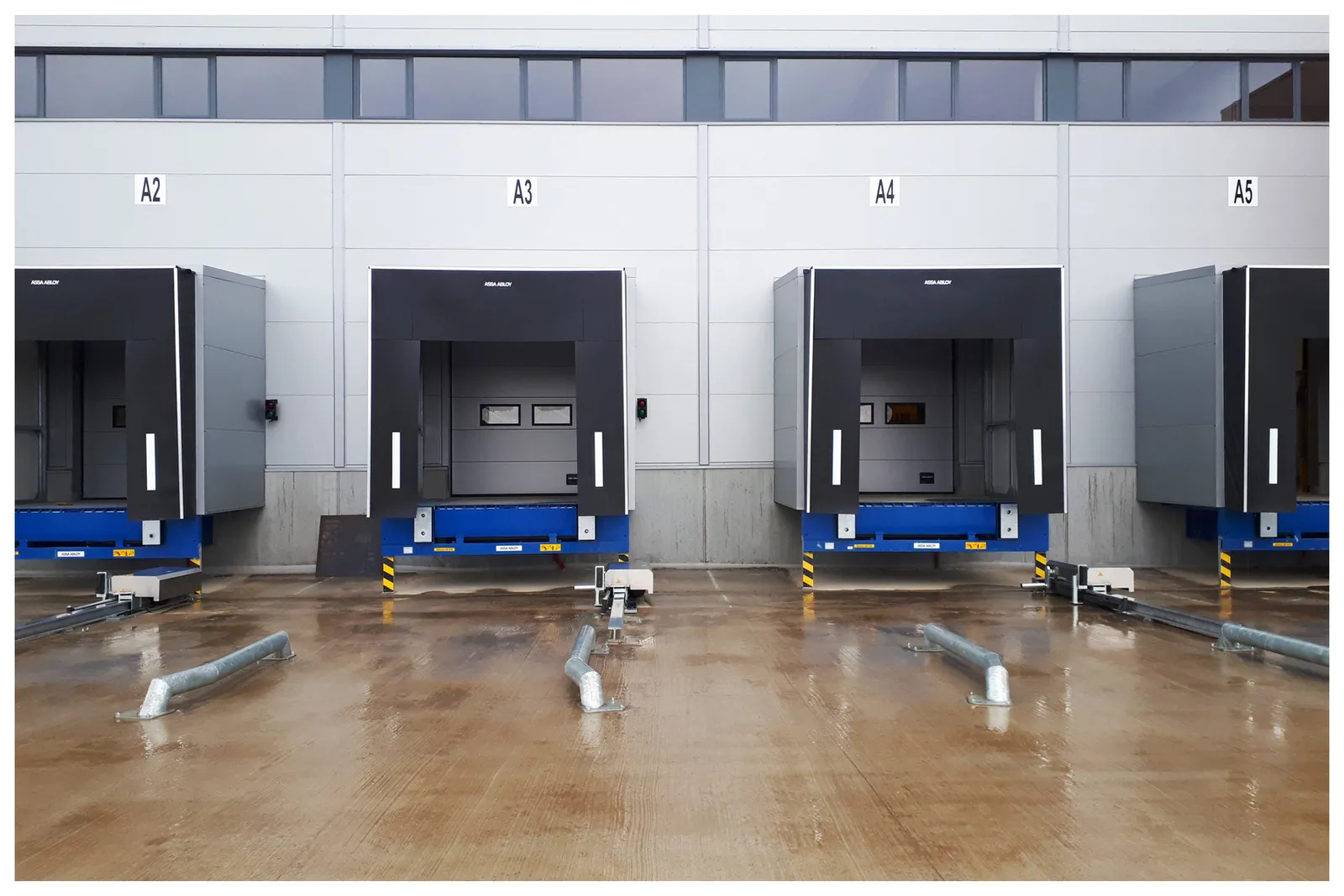
One extra sensor here, a new procedure there: many companies take a step-by-step approach to securing loading bays. However, according to ASSA ABLOY Entrance Systems, this is often precisely where the problem lies. A loading bay only becomes structurally safer when training, clear procedures, the right safety devices and regular maintenance work together. This is achieved not through a one-off measure, but through an integrated approach.
Why one measure is not enough
Loading and unloading areas are complex environments where lorries, forklift trucks and employees work alongside one another at all times, often under pressure and in varying weather, lighting and traffic conditions. It is precisely this combination of factors that means a single measure, such as installing only a wheel restraint system or simply training staff, can reduce the risk but cannot eliminate it. Studies show that up to 70% of all reported accidents and the associated costs could be avoided, provided the right combination of preventive measures is put in place.
Employees properly trained
Human error occurs when employees and drivers do not know enough about how to use the equipment safely and how to interact with one another. “We believe it is essential that the people using our equipment are properly trained. That is why our docking safety experts provide safety training on request,” explains Filip Boonaert, Product Specialist Industrial doors & docking at ASSA ABLOY Entrance Systems.
Training alone is not enough, however, without a framework in which that knowledge can be applied. Risk assessments, well-established work procedures and clear signage around the loading bay ensure that everyone, both internal staff and external drivers, knows what is expected of them, even when they do not share a common language.
Technology compensates for human error
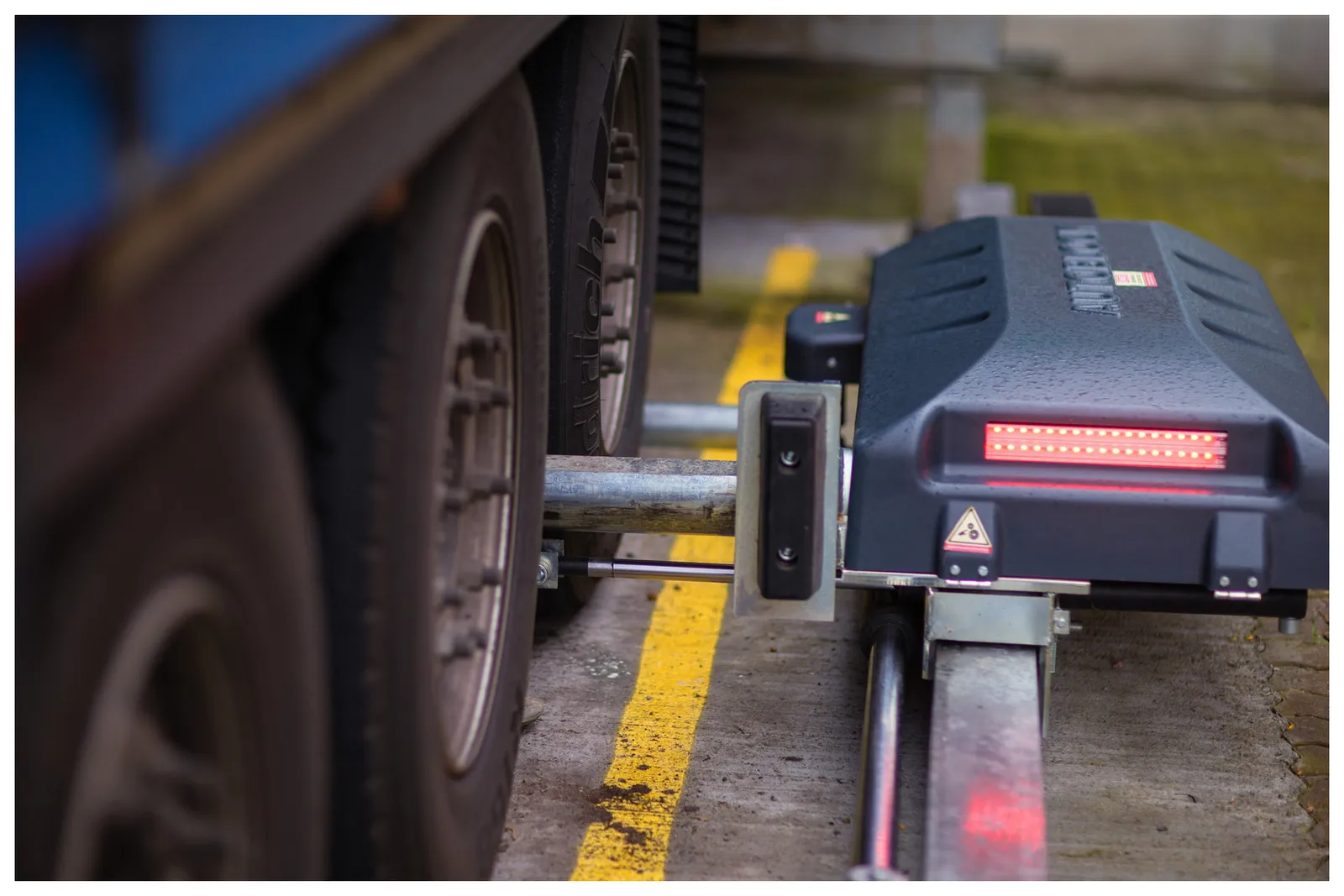
Even with the best-trained employees, technology is still needed to compensate for errors when it really matters. There is also a targeted solution for every risk. A safety buffer zone keeps a reversing vehicle at a safe distance from people working on the loading bay. An automatic wheel restraint physically immobilises the vehicle’s wheels, prevents a trailer from moving or creeping forwards during loading or unloading, and keeps the dock door locked while the restraint is engaged. A sensor-controlled traffic light system only allows drivers, whatever their language, to leave once the dock leveller is clear.
Maintenance prevents problems
Even the best equipment loses its value if it is not maintained. The constant traffic of heavy vehicles inevitably causes wear, and faulty or poorly maintained equipment increases the very risk it is intended to eliminate. A service partner able to respond quickly and with sufficient spare parts also prevents employees from having to resort to temporary, and often unsafe, workarounds.
Thanks to IoT connectivity and the ASSA ABLOY Insight platform, preventive maintenance can now also be monitored remotely, allowing action to be taken more quickly before a fault develops into a breakdown or a dangerous situation.
A single point of contact for the entire loading bay
ASSA ABLOY Entrance Systems supports companies at every level, from practical solutions such as dock shelters, dock levellers, traffic light systems and wheel restraint systems to preventive maintenance through its Maintain and Optimize service plans. This applies regardless of the brand of the existing equipment.
By treating the loading bay as a whole rather than as a collection of isolated measures, ASSA ABLOY helps companies build a lasting safety culture, even during peak periods.
Question about this story? Ask your question
Keep following this
Get an email when a new story is published. No account needed.
- ThemeReliable installations for the long term
- SubjectNews