Photovoltaic systems make a comeback
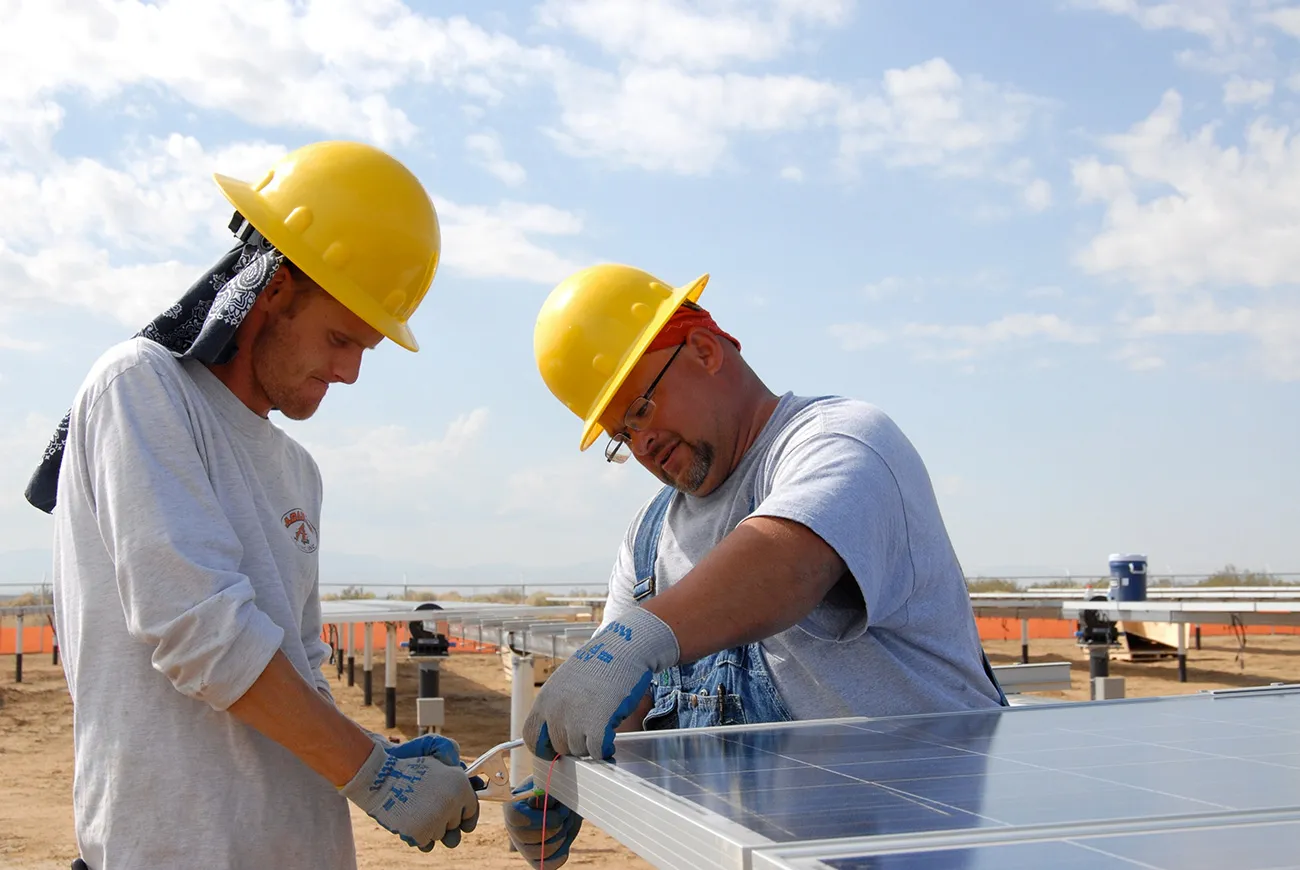
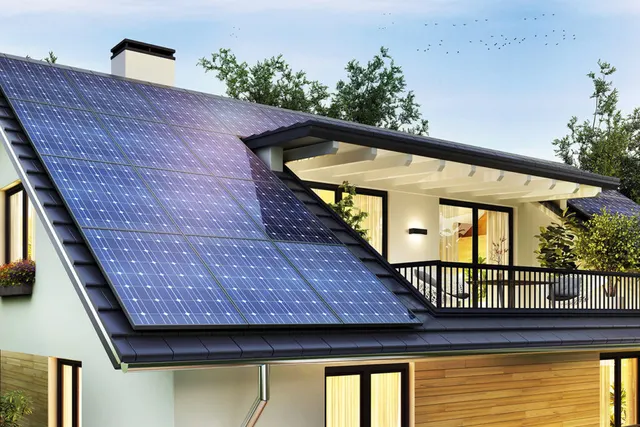
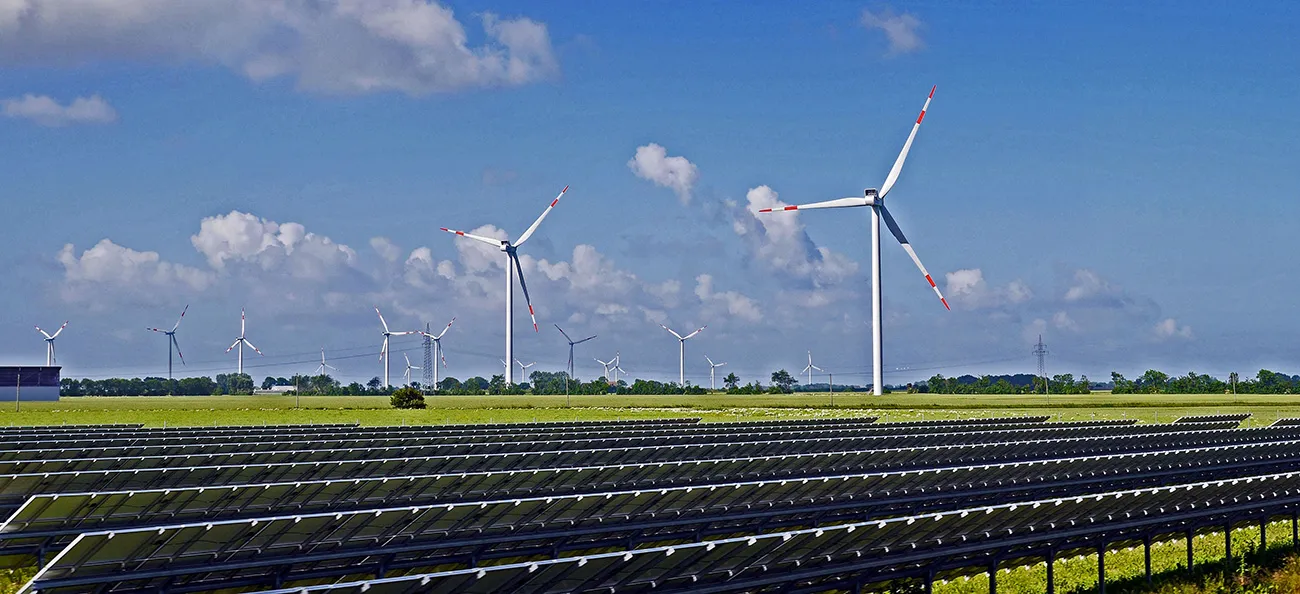
Solar panel sales are up in 2022. The sector says the number of installations per month has at least doubled. And, naturally, rising energy prices are a major factor.
With energy prices soaring, the desire to be independent in our energy supply is more appealing than ever. Photovoltaic systems are therefore back in fashion. « Solar panel installers’ order books are indeed filling up again, with waiting times of around three months or more », acknowledges Dirk Van Evercooren, managing director of Organisatie Duurzame Energie Vlaanderen (ODE). « The reasons for switching to renewable energy on a large scale have been known for a long time. It is of course regrettable that it takes a terrible event such as the war in Ukraine to remind us of them. Long-term arguments, climate change for example, as well as short-term opportunities, make the case for renewable energy. The federal government’s decision to reduce VAT on solar panels to 6% is, of course, also playing a major role in the increase in demand. »
One important point to note about the renewed popularity of solar panels is that the people who would benefit most from having them on their roofs, those who currently struggle to pay their energy bills at the end of the month, are not always able to afford the investment. Dirk Van Evercooren: « This is a problem, especially in rental properties, because the landlord has no incentive to invest in measures that only benefit the tenant’s comfort and bills. The government is making efforts to address this problem, for example through subsidies, but it is clear that more incentives are needed. »
Fluctuations in the photovoltaic market
The stars are aligning in favour of solar panels, a very different picture from a year ago. When the principle of the reverse meter was finally scrapped in February 2021 following a ruling by the Constitutional Court, solar panels seemed doomed for a while. « This clearly shows the role that the spirit of the times plays. Emotions too often take precedence over facts. Solar panels were already a worthwhile investment in 2021, far more profitable than leaving your money in a savings account, for example. But people’s confidence had disappeared. In the meantime, we are seeing the sector slowly recover », comments Dirk Van Evercooren. « This is not the first time we have seen such fluctuations in the photovoltaic market. After green certificates were scrapped and the prosumer tariff introduced, there was widespread pessimism. Yet the market recovers each time, because the fundamentals of photovoltaic technology are sound. The problem is that it is extremely difficult for the sector to find qualified staff and, above all, to retain them. »
Another conclusion following the Constitutional Court ruling was that people with both solar panels and a heat pump were doubly unlucky. These heat pumps mainly operate during the winter months, while solar panels produce electricity mostly in summer. Nevertheless, the combination still makes sense, says Dirk Van Evercooren: « Provided users make the right choices in terms of system sizing and orientation. In the past, people often opted for a south-facing system, whereas in the current context an east-west orientation is more advantageous. Smart controls can also help increase output. »
« Every additional panel already generates more self-consumption, and this will increase in the future. So filling your roof is not a bad idea. Feed-in payments are attractive at the moment. The more panels there are, the lower the price per kWp, because fixed costs can be spread over more panels. Each additional panel therefore costs less per Wp », adds Dirk Van Evercooren.
No need for a battery
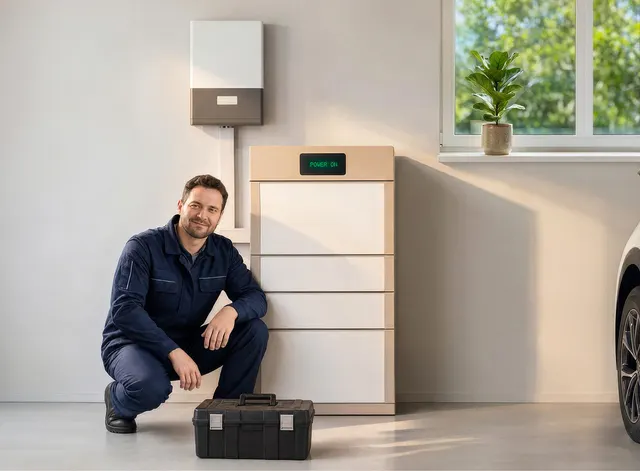
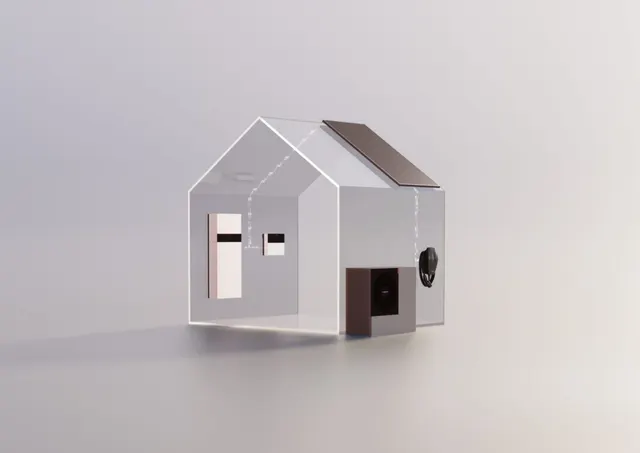
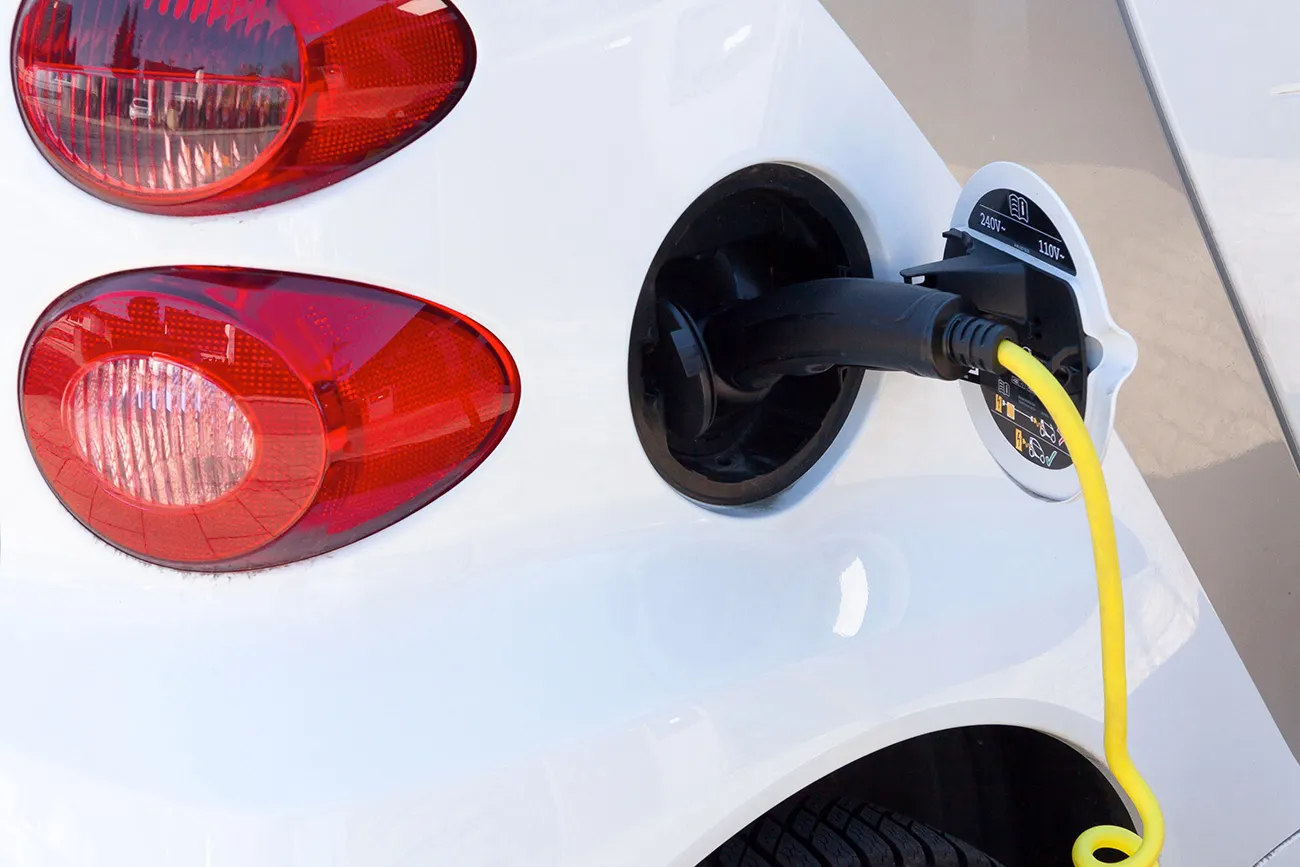
According to ODE, there is no need to wait for batteries to become commonplace. « Anyone installing a new, properly sized system does not really need a battery. It makes more sense to consider integrating your photovoltaic system with a heat pump and, in particular, a heat pump water heater or an electric vehicle. If you can fully charge an electric vehicle with solar energy once a week, your self-consumption is already so high that you no longer need a battery », concludes Dirk Van Evercooren.
Question about this story? Ask your question
Keep following this
Get an email when a new story is published. No account needed.
- ThemeGenerating and managing energy
- SubjectPhotovoltaics