Why washrooms are becoming an integral part of the overall experience
Texte Kris Vandekerckhove | Photos DELABIE
The forgotten square metre that changes everything
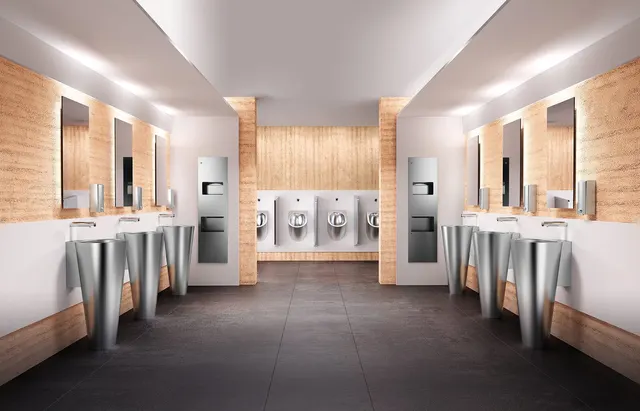
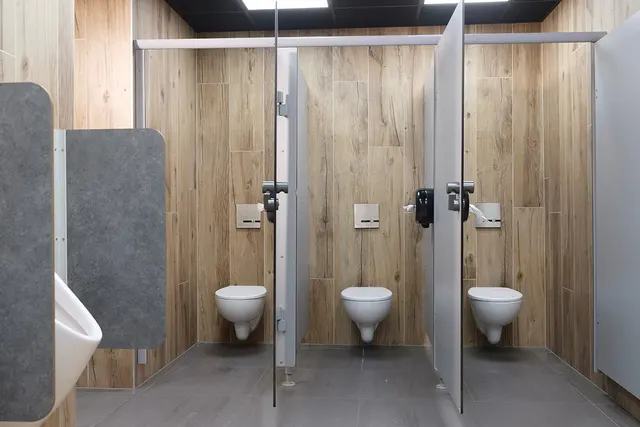
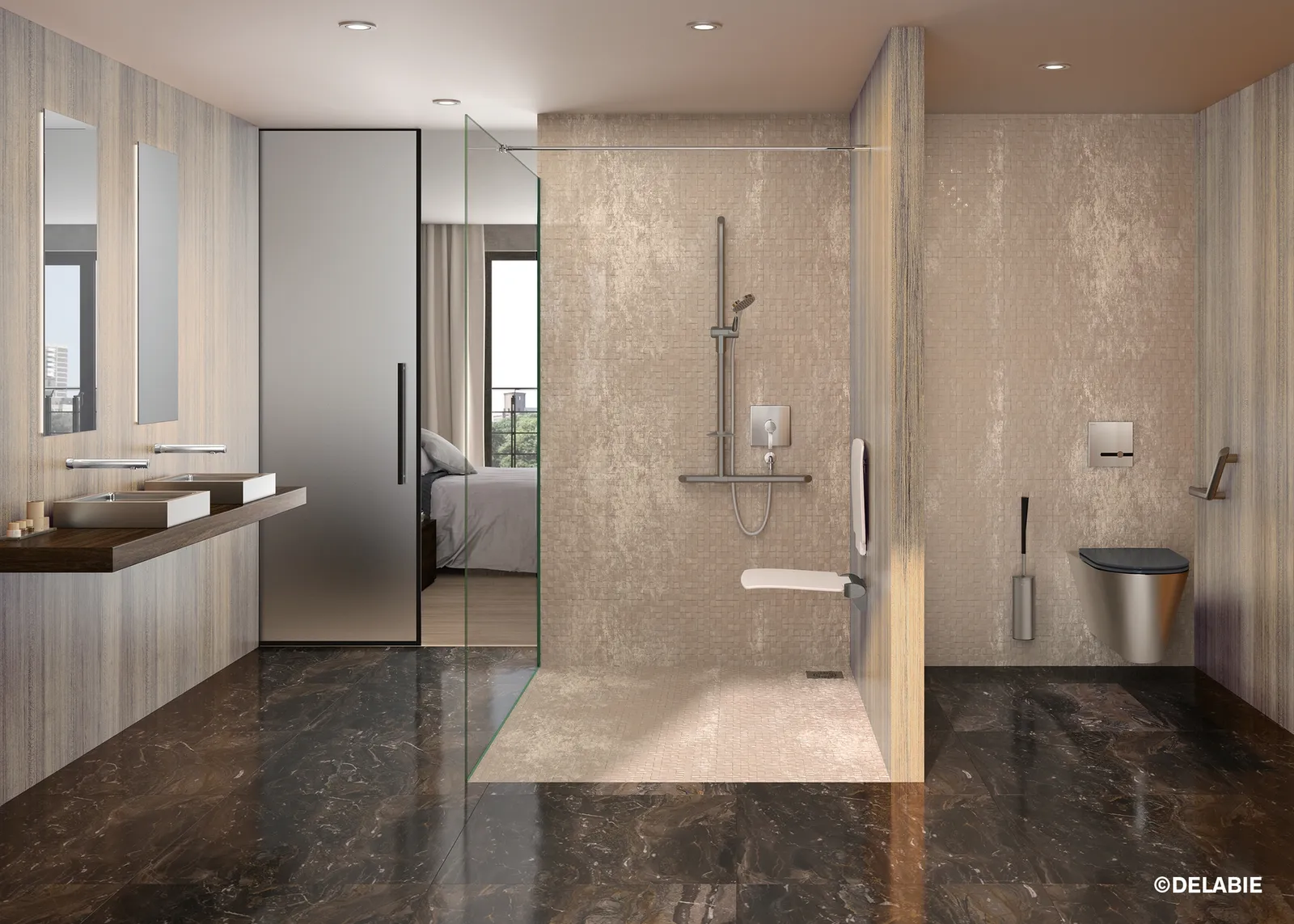
An entrance hall can be as impressive as you like, but if the washrooms feel as though they have been relegated to a forgotten corner of the building, that is often what visitors will remember. Public washrooms are among the most heavily used spaces in a building, yet they are still too often treated as purely functional during the design and construction phases. And yet this is precisely where user experience, material choice, maintenance, accessibility and technology come together.
Architects, clients and installers are therefore taking a different view of washrooms. Whereas the focus used to be primarily on their practical function, greater attention is now being paid to comfort, aesthetics, sustainability and management. In public buildings, hotels, healthcare facilities and high-traffic sites in particular, washrooms are increasingly seen as an integral part of a building’s architectural identity.
Much more than a technical space
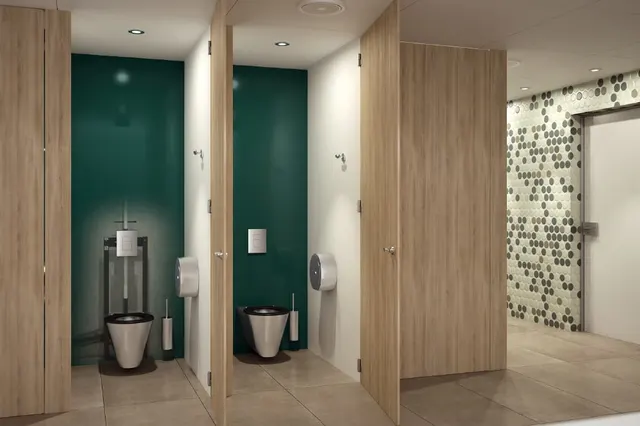
This shift is reflected, among other things, in a different approach to material selection. Stainless steel, long associated above all with utilitarian applications, is making a notable comeback in contemporary architecture and building services. Not only for its hygienic properties, but also for its understated, timeless appearance and durability.
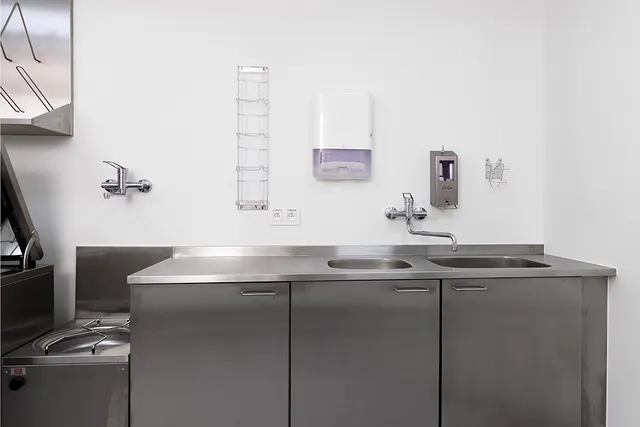
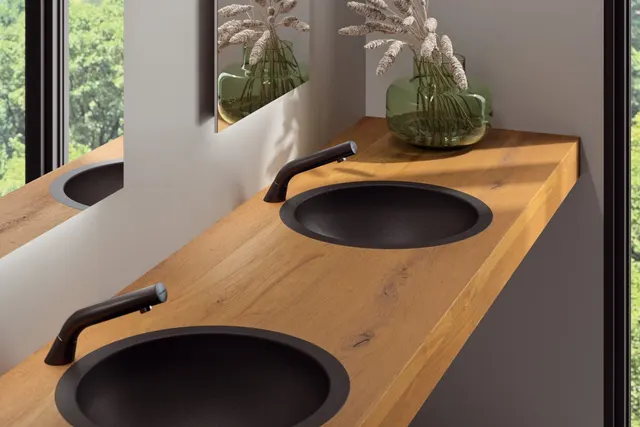
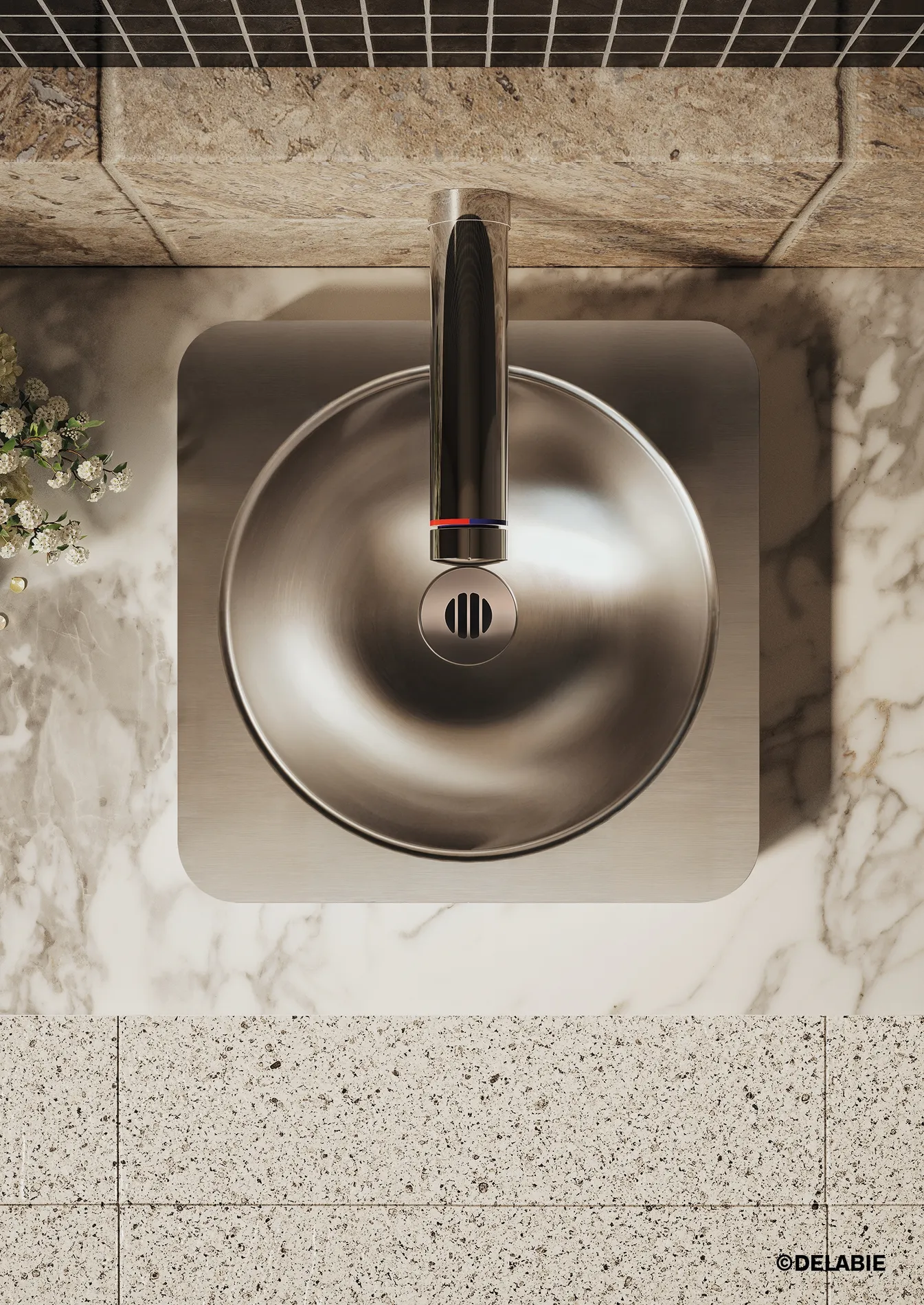
According to DELABIE, a specialist in sanitary solutions for public spaces, demand is particularly strong for materials that combine aesthetics with intensive everyday use. Ranges such as the BLACK BINOPTIC taps show how functional washroom fittings are now also contributing to the architectural and technical concept of a space. Matte finishes, minimalist lines and integrated solutions are gaining ground in contemporary public architecture. In airports, schools, sports facilities, healthcare facilities and horeca buildings, washrooms must also withstand wear, heavy use and vandalism. This is why interest in robust stainless steel solutions continues to grow, from seamless washbasins and integrated sanitary modules to reinforced accessories that reduce maintenance requirements without compromising on aesthetics.
Maintenance as part of the project
Ease of maintenance is now being considered earlier and earlier in the design and construction process. Fewer joints, easy-to-clean surfaces and durable materials not only help maintain a better appearance, but also reduce the maintenance burden over the long term. The growing popularity of touchless technology reflects this focus too. Electronic taps, automatic flushing systems and touchless soap dispensers are gradually becoming standard in public buildings.
This shift is driven not only by hygiene considerations, but also by the desire to limit water consumption, simplify facility management and improve the user experience.
Inclusivity without the clinical look
Accessibility is also being approached more broadly. Whereas accessible washrooms once had an aesthetic strongly associated with clinical settings, designers and construction teams are now looking for solutions that discreetly incorporate inclusivity into the building’s overall concept.
This shift is part of a broader vision of universal design, in which spaces should be comfortable and intuitive for all users. Ranges such as Be-Line® show how accessible washroom design is now deliberately moving away from the traditional institutional look. Clean lines, matte finishes and integrated forms mean support fittings no longer stand out as separate elements, but instead become a natural part of the overall architecture.
The silent contributors to a building’s quality
Perhaps this is where the paradox of washroom design lies. These are spaces that visitors and users rarely give much conscious thought to, unless they are poorly designed, badly built or badly maintained. Yet they have a direct influence on how a building is perceived, remembered and evaluated.
Public washrooms are thus gradually evolving from a purely technical necessity into an essential part of the overall experience. And that is precisely why they deserve more attention than ever, from design through to operation and management.
A business enquiry for Delabie? Get in touch
Companies in this story
Keep following this
Get an email when a new story is published. No account needed.
- ThemeBetter domestic water management
- SubjectSanitary installations
- CompanyDelabie