Building for fire safety starts long before construction
Texte Kris Vandekerckhove | Photos Leonie Snauwaert
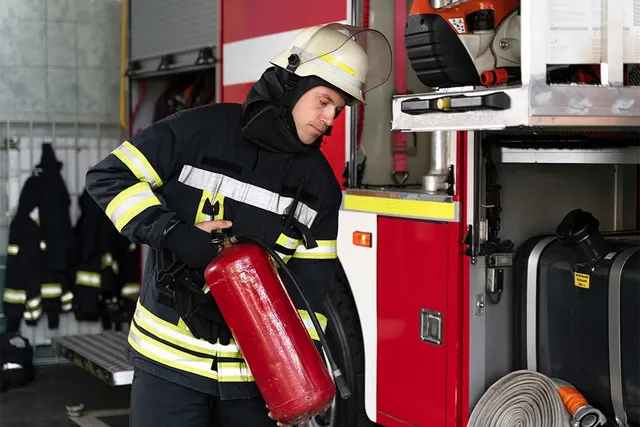
Fire safety should not be left until the end of a construction project, with solutions still to be found on site. The right choices must be made at the design stage, after which fire safety needs close attention throughout the construction process. This is one of the main lessons from our podcast with Bert Van Vaerenbergh of Promat and Bart Tastenoye of Spelsberg Belgium, hosted by Vincent Vancaeyzeele of Techlink.
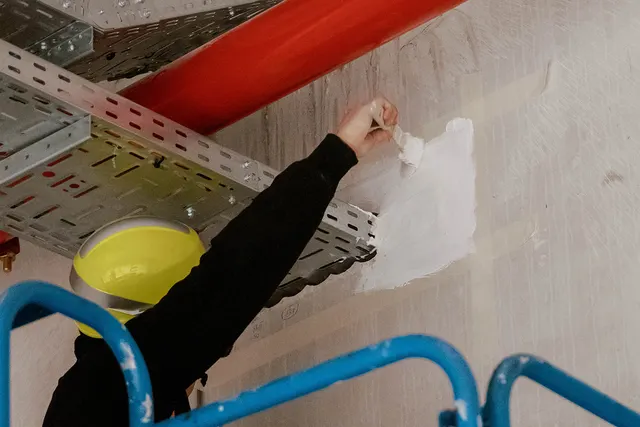
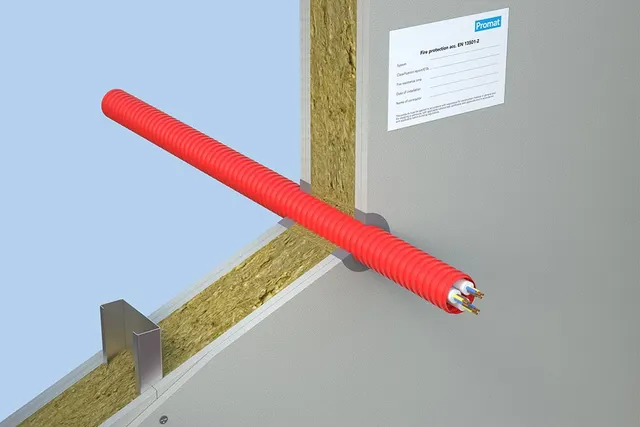
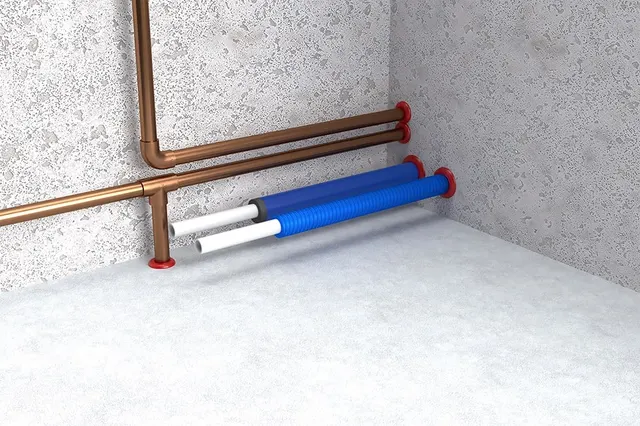
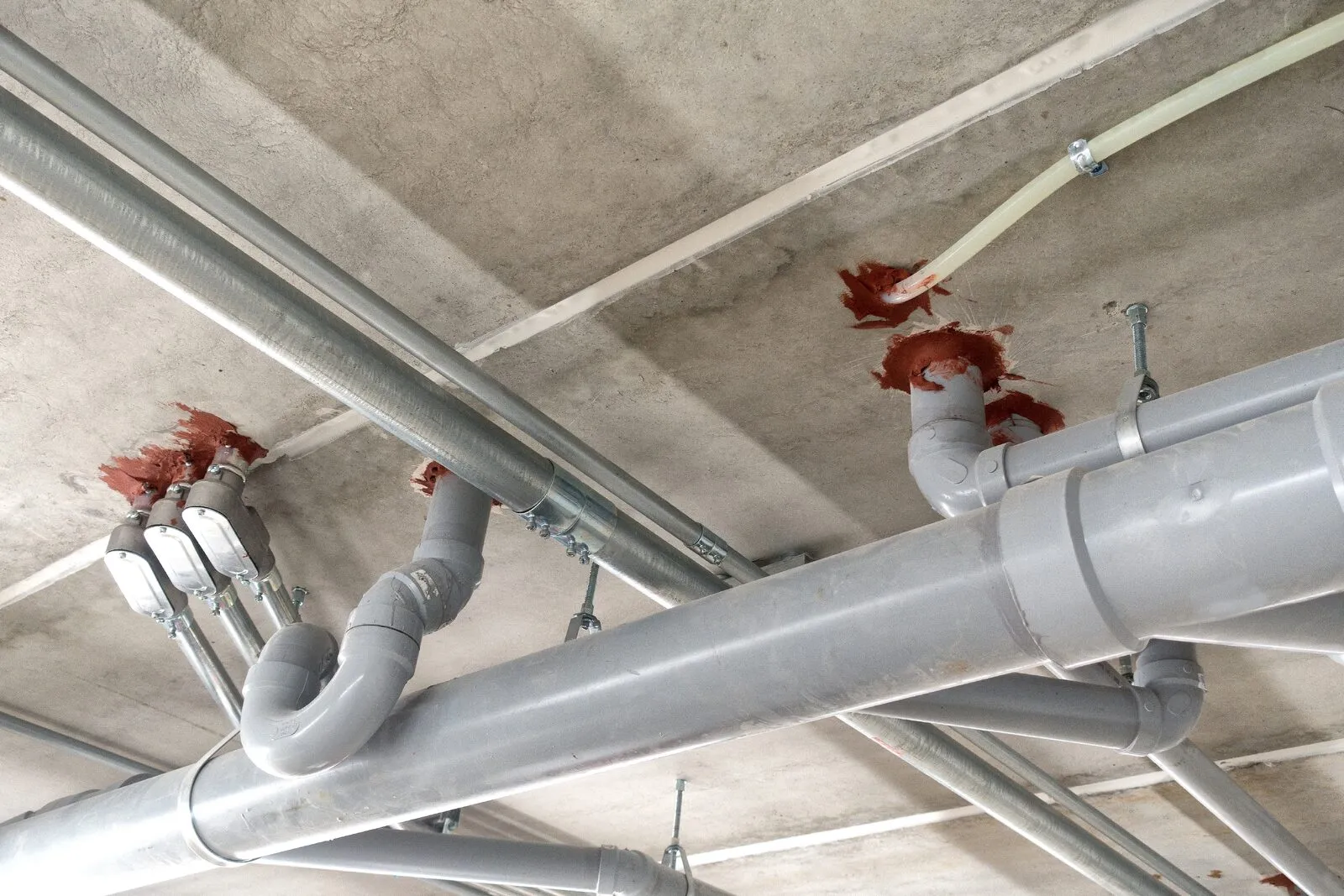
Promat focuses on passive fire protection: architectural measures that help limit the consequences of a fire. The company identifies three main areas: protecting the load-bearing structure, compartmentation and firestopping service penetrations. The last of these has become more complex in recent years, particularly because an increasing variety of services pass through fire-resistant walls and floors. Electrical cables, plumbing, HVAC systems and other equipment must not compromise compartmentation at these points. Each combination of wall or floor, pipe or cable, and required fire resistance therefore needs a suitable, tested firestopping solution.
According to Bert Van Vaerenbergh, knowledge of passive fire protection has improved considerably among specialist installation companies, but training remains essential. “Smaller companies in particular do not encounter complex fire protection applications every day. That is why Promat offers training, roadshows, fire tests and digital tools such as the Promat Selector,” he explained.
Keeping electrical installations operational
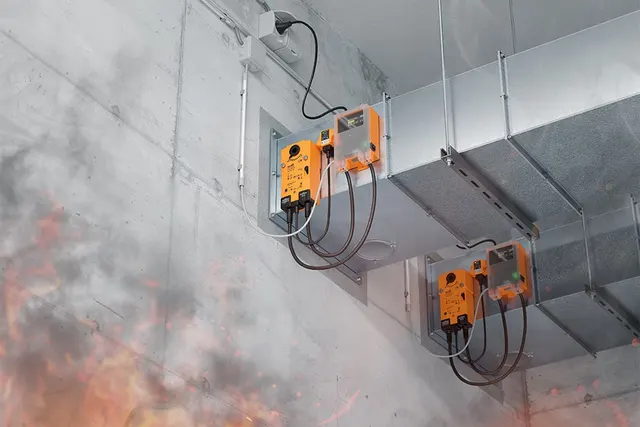
Electrical enclosure manufacturer Spelsberg approaches fire safety from a different angle. As part of its offering, the company develops specific solutions to ensure that electrical installations remain operational in the event of a fire. Signage, smoke extraction systems, sprinklers and other safety equipment, for example, must remain operational long enough to support evacuation and firefighting.
But a fire-resistant junction or connection box is not enough on its own. The rest of the electrical installation must also continue to operate in the event of a fire. A fire-resistant cable, for instance, is no use if the cable tray, fixings or supporting structure fail prematurely. Bart Tastenoye therefore advises installers to assess the entire installation during the preparation stage and ask themselves a simple question: what would happen if a fire broke out? “This also means considering how materials behave in a fire. Plastic can melt, metal can deform, and additional loads can cause cable supports to behave differently than expected,” he explained.

Correct design is no guarantee
Correct design alone does not guarantee that work on site will meet fire safety requirements. Installations sometimes deviate from the plans, different materials are used, or situations arise in which the specified solution is not necessarily suitable, for example because the space available in a service shaft is more restricted than expected.
Early preparation is therefore crucial, says Bart Tastenoye: “It is better to think everything through at the start of the construction process than to look for solutions too late in the project. Changes made afterwards are not only more technically challenging, they also involve additional costs in terms of time, materials and labour.” According to Bert Van Vaerenbergh and Bart Tastenoye, risks can arise when several installers are working on the same project. “A cable tray installed correctly in accordance with the calculations can lose its function if another party later adds extra cables. Good coordination between the different trades is therefore essential,” they agreed.
BIM to the rescue
Digitalisation can help, the two men say. Specifically, they point to building information modelling, or BIM. This involves creating a digital model of a building and linking it to information about the various building elements and technical installations. This makes it easier to coordinate technical installations in advance, define where service penetrations will be located and document the solutions used. It reduces the risk of errors during installation and makes subsequent inspections easier.
They say BIM is becoming more widely used, although in Belgium it is still far from being mandatory everywhere or routinely included in specifications. “Larger installation companies in particular are increasingly seeing how this additional preparation pays off during installation,” they explain.

Renewed focus on fire safety in renovation projects
Fire safety must not be considered only in new builds, the podcast guests stressed. Many residential buildings date from a time when different fire safety rules applied. Renovation work should therefore focus on more than energy performance or aesthetics. Existing fire safety measures, and the impact of new work on them, also deserve close attention. Whether renovating or building new, this calls for increasingly specialised knowledge. Regulations evolve, technical installations become more complex, and different situations require specific solutions and conditions. According to Bert Van Vaerenbergh, it is therefore important to call on a specialist who knows not only the solutions available, but also the regulations in force. “Choose the right partner. Choose a partner who understands Belgian fire safety legislation. This expertise makes it possible to apply the regulations appropriately to the specific situation on site and find technically feasible solutions when standard options are not enough,” he concluded.
Early preparation is crucial, says Bart Tastenoye: “It is better to think everything through at the start of the construction process than to look for solutions too late in the project.”
Have a business enquiry for Promat? Get in touch
Companies in this story


Keep following this
Get an email when a new story is published. No account needed.
- ThemeFire prevention
- SubjectFire safety
- CompanyPromat
- CompanySpelsberg Belgium