Latest trends in air conditioning
Texte Kathleen Ferny | Photos iStock
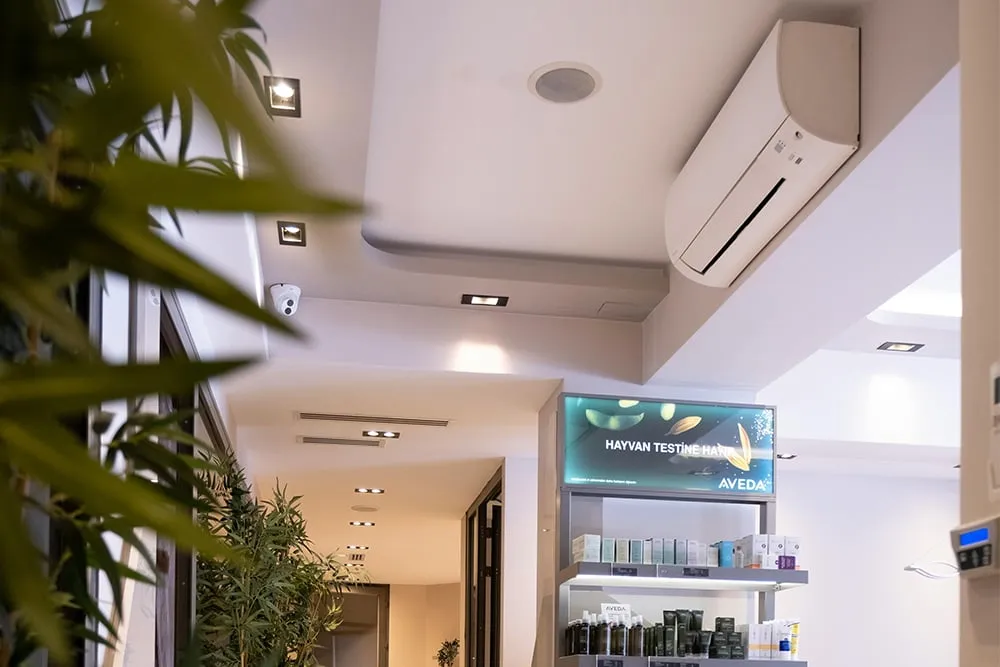
Air conditioning in a changing climate: sustainable solutions are possible
Climate change outdoors affects our indoor climate. Whether for renovations or new builds, the focus is on energy efficiency and comfort. The aim is to create a pleasant, consistent indoor temperature in homes and workplaces. But how can all this be achieved? The latest trends in air conditioning highlight not only sustainability and environmental impact, but also place a strong emphasis on performance and reducing carbon emissions.
The HVAC (heating, ventilation and air conditioning) sector faces major challenges in meeting climate neutrality requirements, despite the changes of recent years. Modern technologies such as heat pumps, geothermal systems and smart HVAC solutions are just some examples of how the industry is adapting to improve energy efficiency and reduce CO2 emissions. Alternatives to traditional refrigerants are also being sought to reduce environmental impact.
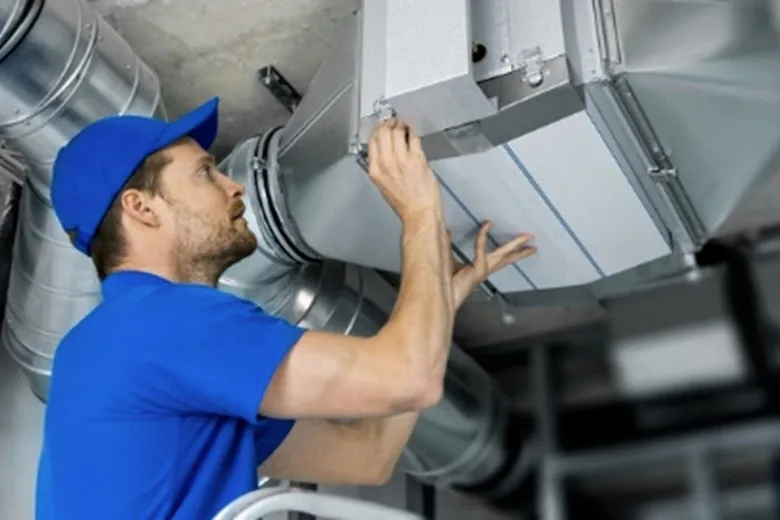
The European Green Deal as a guiding principle
By 2050, Europe must be climate-neutral. Yes, we can! The air conditioning industry has already adapted considerably in recent years, and this trend is accelerating. The growing use of heat pumps, the heroes of decarbonisation, controlled by advanced heat management technologies, makes it possible to move heat in a targeted way without significant carbon emissions. The reversible nature of this technology also allows cooling and heating to be combined as needed. In fact, an air conditioner is an air-to-air heat pump. The latest heat pumps have a higher Coefficient of Performance (COP), making them even more energy-efficient.
Refrigerants used in air conditioning under scrutiny
A major environmental risk posed by air conditioning systems lies in the refrigerant they use, which affects the environment in two ways: the Ozone Depletion Potential (ODP) and the Global Warming Potential (GWP). ODP measures the impact of a refrigerant on the ozone layer, while GWP indicates the extent to which a refrigerant contributes to global warming. It is therefore crucial to choose air conditioners that use refrigerants with low ODP and GWP values.
The move to newer refrigerants is an important step towards more sustainable air conditioning systems. R410A, which is often used, has no ozone-depleting properties because it contains no chlorine. However, it has a high GWP (2088), contributing significantly to the greenhouse effect. To achieve genuine sustainability, current systems are increasingly using refrigerants such as R-32, R-454B, R-1234yf and R-1234ze, which have a low environmental impact and are increasingly replacing older alternatives. Some of these refrigerants are compatible with existing systems, making the transition to more sustainable options easier.
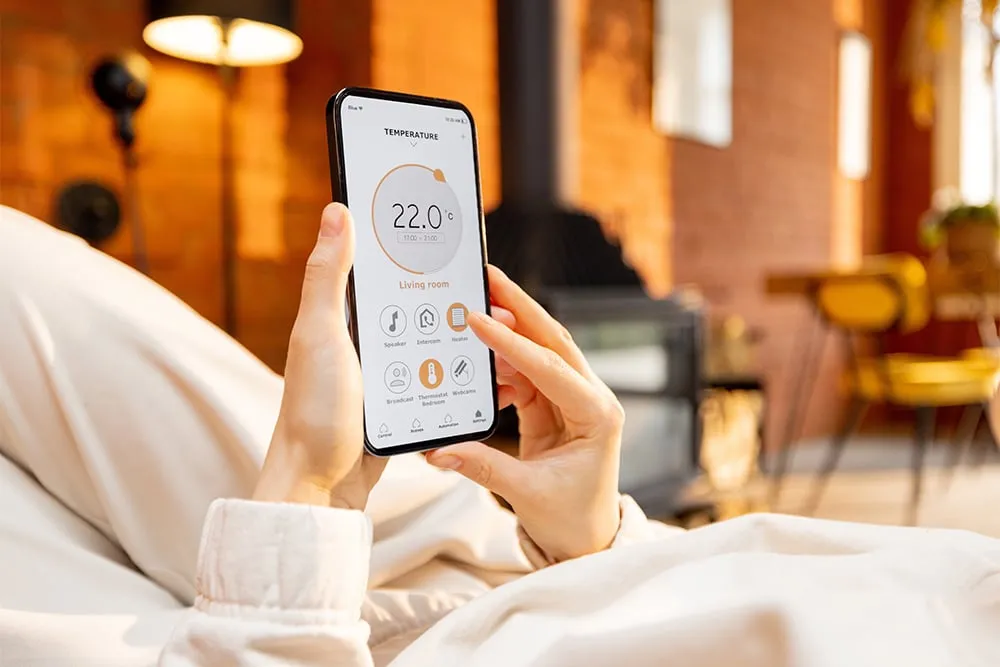
Predictive maintenance with IoT: reliability and energy efficiency
It is also important to make HVAC systems smarter, which is possible with IoT. Building owners and managers can therefore monitor efficiency and output remotely. This helps improve energy performance and predict problems. Air conditioners need regular maintenance, including cleaning and rinsing filters and removing dirt from the outdoor unit. With an IoT sensor, the appliance can self-diagnose and, in the event of a fault, send an alert so that action can be taken to prevent major problems.
IoT-connected air conditioners are connected to the internet and continually send and receive data. This data can include weather forecasts, important dates such as a company’s closure date, indoor temperatures and energy consumption. With this constant flow of data, the appliance can carry out real-time analyses and automatically adjust to changing conditions without human intervention. Advanced features such as detecting how many people are present and adjusting air distribution improve comfort and can reduce electricity costs by 20% compared with conventional systems.
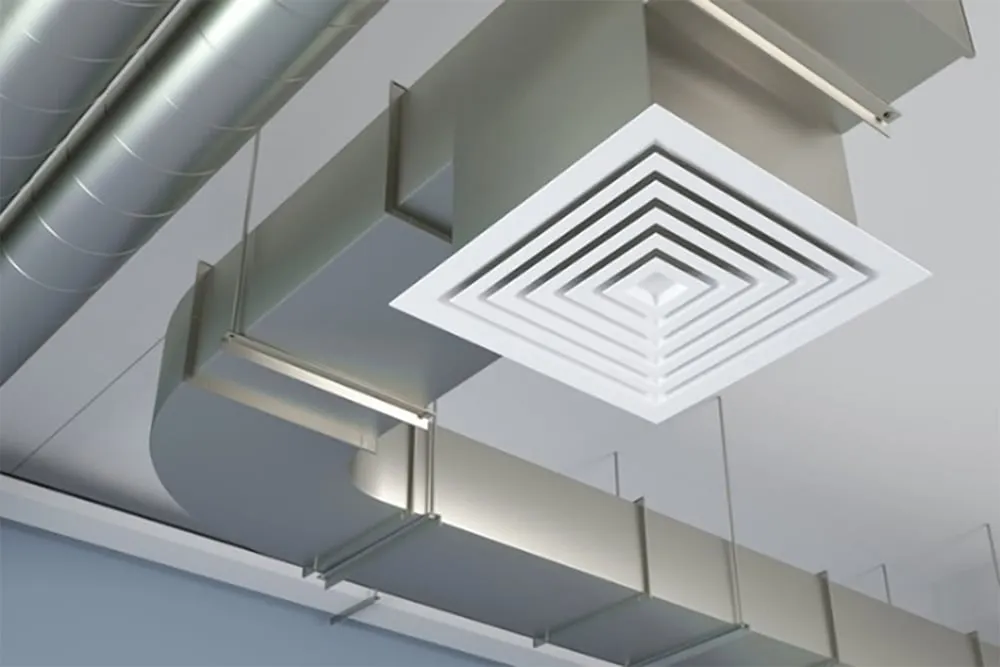
Recycling and circularity: working together for the environment
Installing the latest, most environmentally friendly air conditioners without responsibly removing old systems would undermine environmental goals. Recycling is an important process for reducing environmental impact and recovering valuable materials.
Tips & advice:
- Refrigerant disposal: older types of air conditioning containing chlorofluorocarbons (CFCs) or hydrochlorofluorocarbons (HCFCs) pose a risk to the environment. These substances are powerful greenhouse gases and contribute to the destruction of the ozone layer. During recycling, these refrigerants must be carefully removed and treated in accordance with regulations.
- Metal recycling: air conditioners contain a variety of metals, including copper, aluminium, steel and sometimes precious metals. These metals can be efficiently recovered and reused in new products. Recycling metals saves significant amounts of energy compared with producing new metals from ore.
- Processing electronic components: modern air conditioners contain electronic control systems and sensors. These components also contain precious metals such as gold, silver and palladium, which can be recovered. Other electronic components must be processed in accordance with electronic waste recycling standards to prevent hazardous substances such as lead and mercury from entering the environment.
- Disposal of oils and other fluids: lubricants and oils from air conditioners must be disposed of in a way that prevents them from contaminating soil or water.
- Using recycled materials: air conditioning components can be put to good use in many new applications, helping to reduce demand for new raw materials and contributing to the circular economy.
Question about this story? Ask your question
Keep following this
Get an email when a new story is published. No account needed.
- ThemeAlternative heating and cooling
- SubjectAir treatment