A new monobloc heat pump combines efficiency, ease of installation and affordability
Texte Wouter Polspoel | Photos Buderus
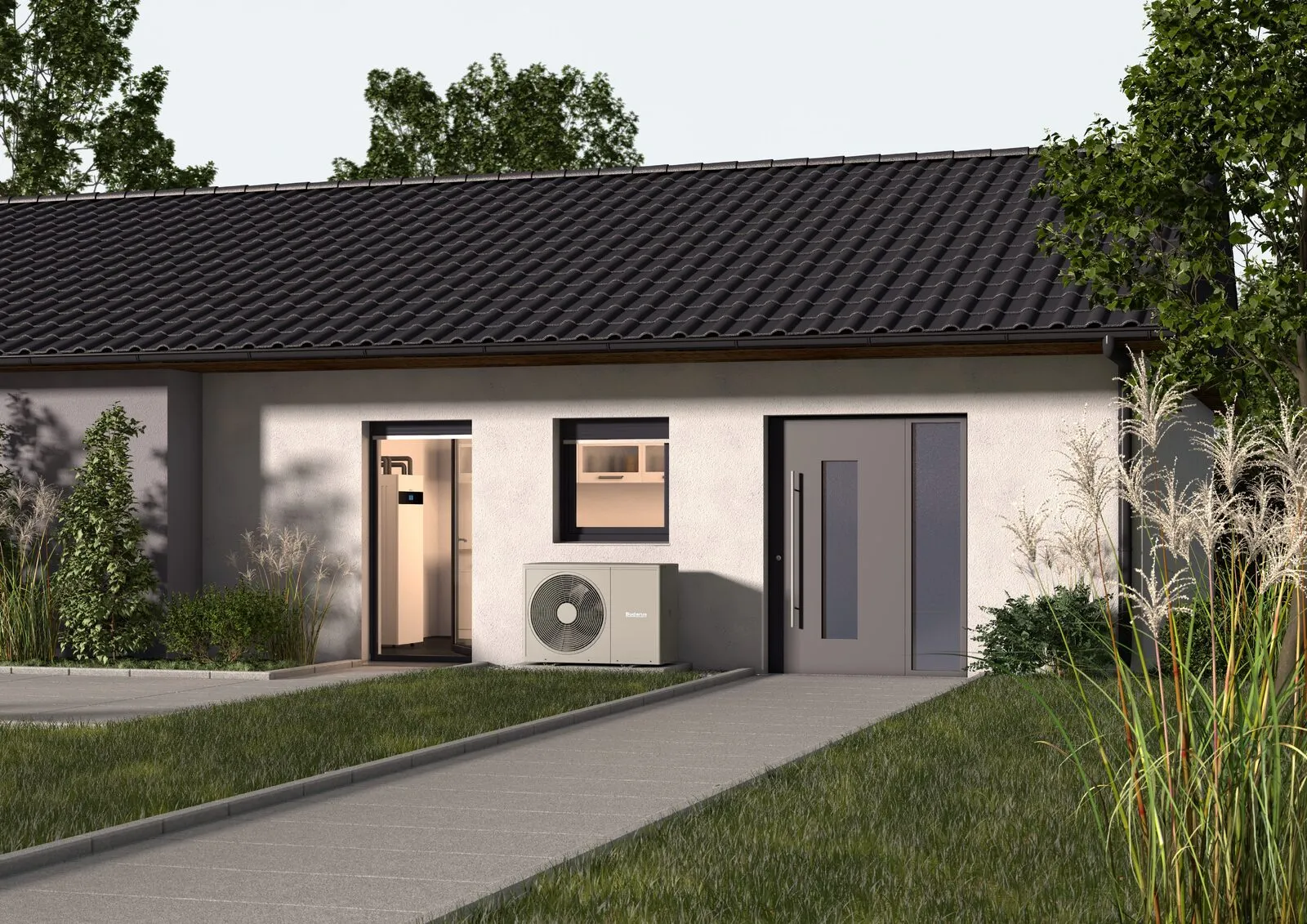
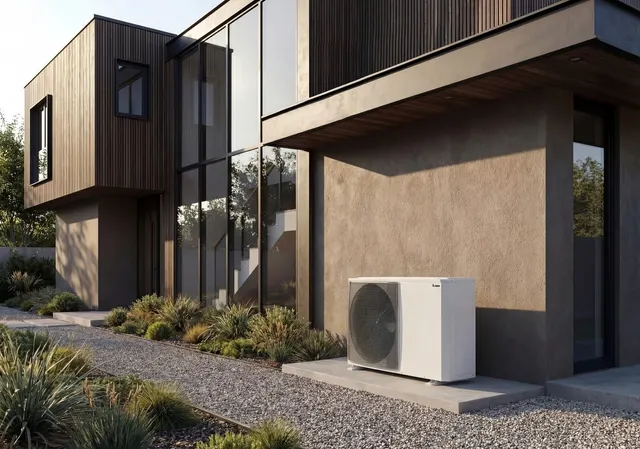
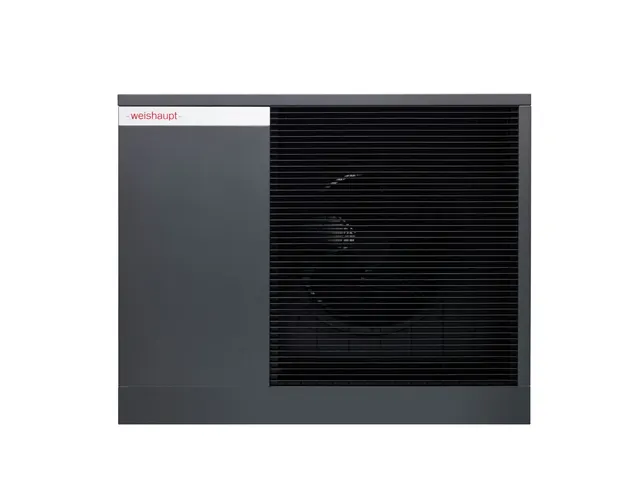
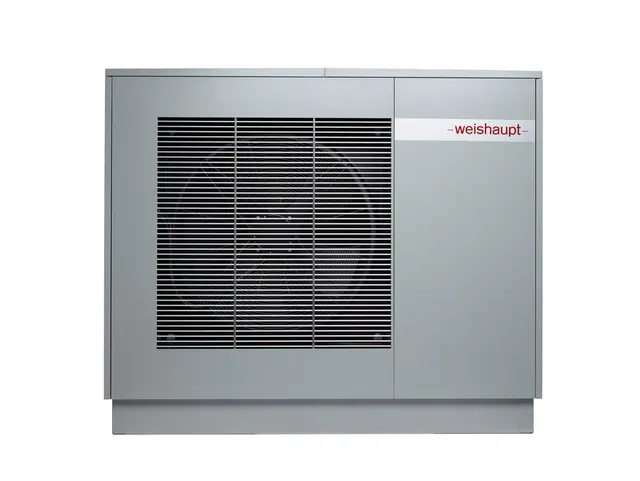
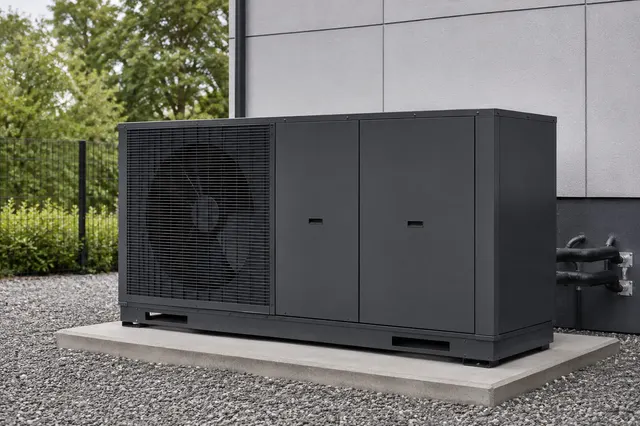
Last summer, Buderus expanded its range with the Logatherm WLW166i MBB AR, a new air-to-water heat pump. This monobloc model uses R290 refrigerant and is designed for small and medium-sized homes. Suitable for both new-build and renovation projects, this heat pump is intended above all as a versatile, cost-effective solution: rather than offering a firmly high-end product, Buderus has developed a unit that aims to combine efficiency, ease of installation and affordability.
Buderus presented the Logatherm WLW166i at the end of June, during a seminar for its installer partners, the Buderus System Partners. The unit was initially launched in 4, 6 and 7 kW outputs, with 10 and 13 kW versions to follow. At an outdoor temperature of 2 °C and a water temperature of 35 °C (A2/W35), the first three models have COPs of 4.2, 4.19 and 4.19 respectively. For low-temperature heating, the heat pump has an A+++ energy rating.
Buderus is clearly highlighting the WLW166i’s cost-performance ratio. Marijn Vandewaerde, managing director of Sani Klima and a Buderus System Partner in Bree, sees real potential in it, as he explained at the seminar. “Before offering a heat pump to my customers, I focus mainly on three criteria: price, efficiency and acoustics. Particularly for property development projects, it is the balance between price and efficiency that makes the WLW166i interesting.”
This places the WLW166i in a different position within the Buderus range from the Logatherm WLW176i AR, a higher-end monobloc heat pump that focuses more on factors such as acoustics and design. “For private customers building their own homes, I tend to recommend the slightly more expensive WLW176i, for aesthetic and acoustic reasons. Where these criteria are less important, the WLW166i is an interesting alternative,” explains Marijn Vandewaerde.
Propane as a refrigerant
The WLW166i uses R290, or propane, as its refrigerant. Its monobloc design houses the entire refrigerant circuit in the outdoor unit. There is therefore no refrigerant connection between the indoor and outdoor units. This is precisely what appeals to Nico Huybrechts, a Buderus System Partner in Heusden-Zolder, who also attended the seminar. “We almost always choose monobloc systems because the refrigerant remains entirely outside the home,” he explains. “After installing three WLW176i units, our experience with Buderus monobloc heat pumps has been positive. So we are delighted to welcome the WLW166i.”
Buderus has also paid close attention to handling the WLW166i. The outdoor unit is just 804 mm high and comes with pre-fitted transport straps. Only one screw needs to be loosened to access the base tray. Buderus also says that the 1620 mm-high indoor unit weighs 20% less than the market average. “The reduced weight makes installation easier,” confirms Marijn Vandewaerde.
Particular attention has also been given to commissioning and subsequent maintenance. Preconfigured controls simplify start-up, while installers can then monitor the heat pump’s operation and adjust its settings remotely.
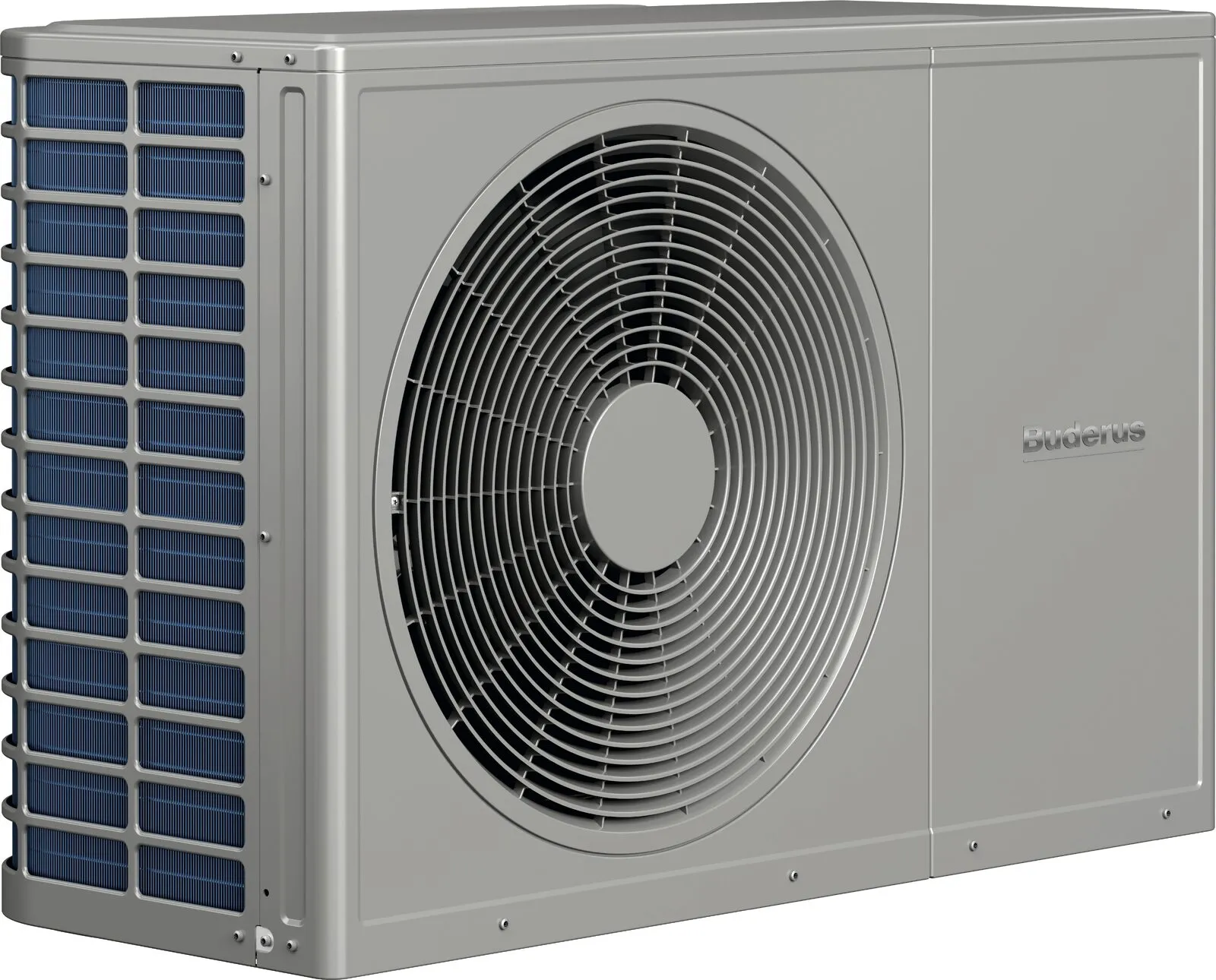
Three indoor unit models
For indoor installation, Buderus offers three models. In addition to a wall-mounted model, two floor-standing versions incorporate a 180 litre stainless steel domestic hot water cylinder: one for a single heating circuit, the other for two. The latter is particularly suited to renovation projects combining underfloor heating with radiators or fan coil units.
Question about this story? Ask your question
Keep following this
Get an email when a new story is published. No account needed.
- ThemeAlternative heating and cooling
- SubjectHeat pumps