The heating system sludge’s worst enemy
Texte Philippe Selke | Photos Vincent Dubois

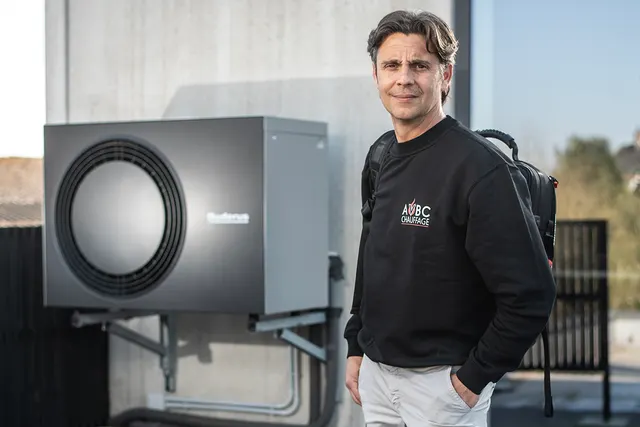
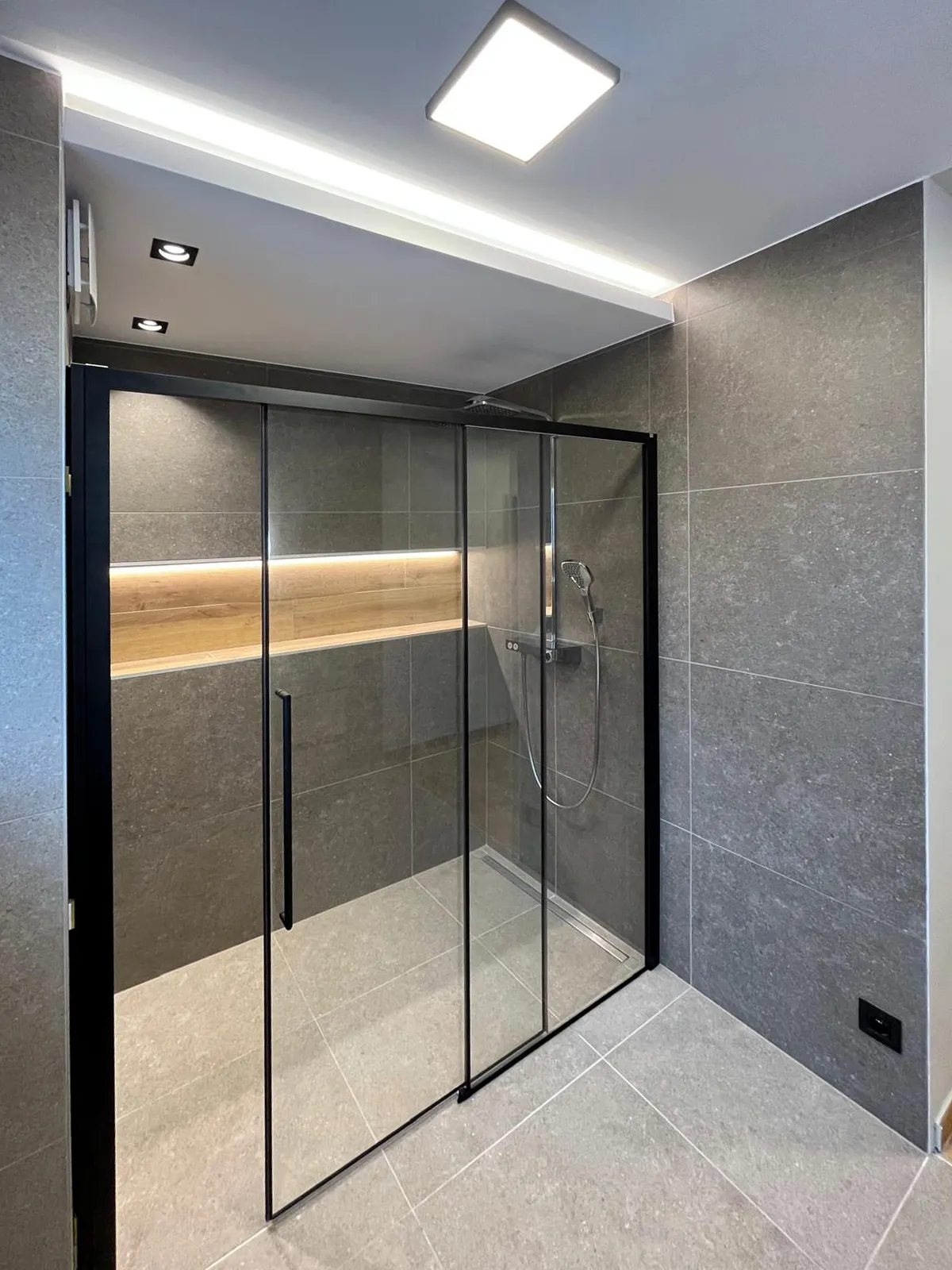
Vincent Dubois manages an 11-person SME based in the SPI business park in Modave. Its activities cover the full range of HVAC installations, including complete bathroom refits. Whether it is a new installation, renovation, maintenance, troubleshooting or repair, his clients benefit from 28 years of experience, whatever the size of the project. To ensure heating systems perform efficiently, Fernox products are part of his teams’ daily work on site.
Kettle-like noises coming from the boiler, black water or water containing solid particles, circulation problems in radiators… these are all signs of sludge in the heating circuit.
Remedial treatment
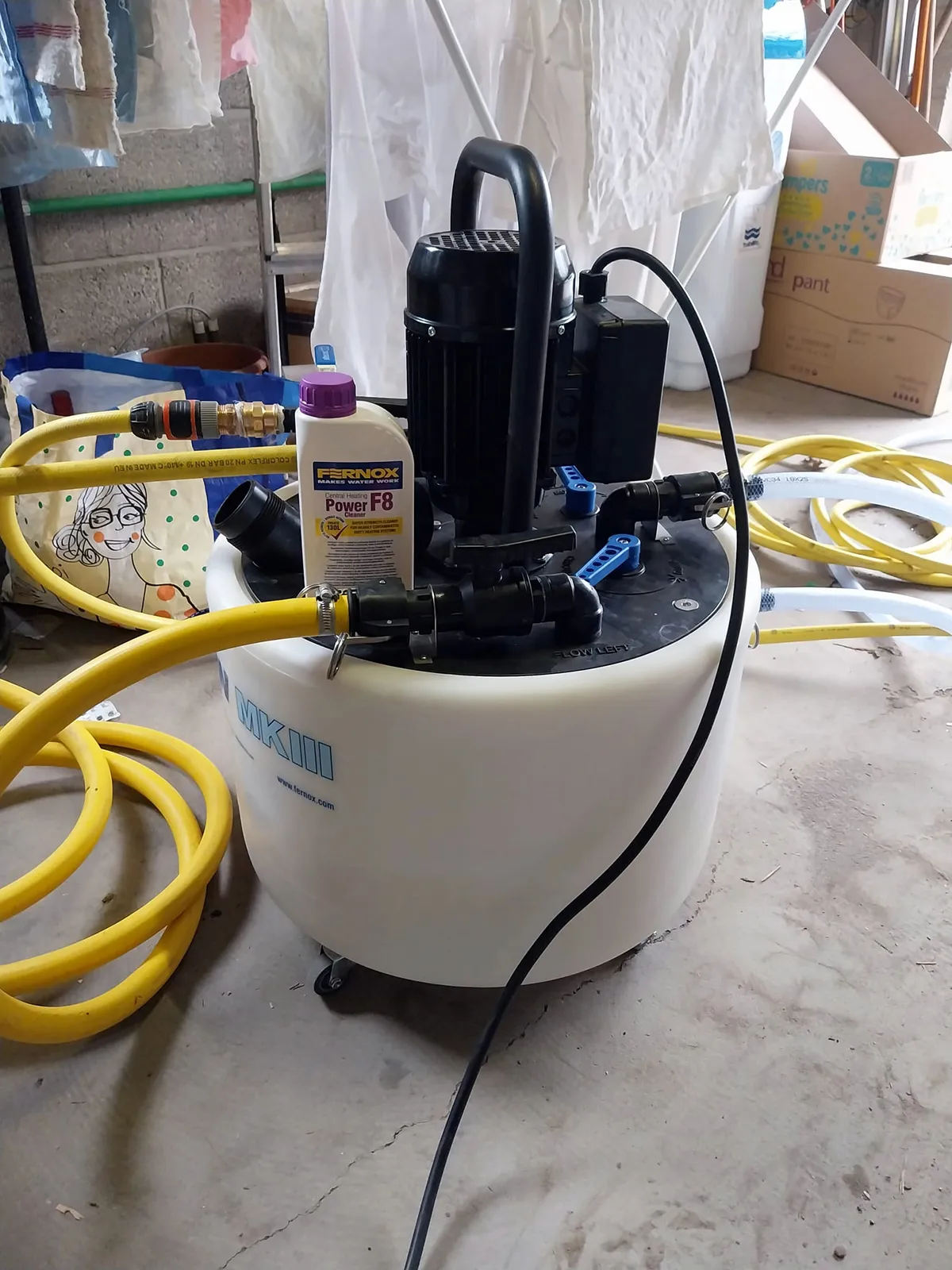
“We have been using Fernox’s Powerflow MKIII flushing machine for almost two years, in combination with the F8 cleaner, to drain the system and remove as much debris as possible from the circuit. This machine, which has a reversible high-flow pump, is always used to remove sludge when installing a wall-mounted gas boiler. We also use it when installing an oil-fired boiler if we find a circulation problem in the pipework. In fact, whenever we install a new appliance, whether a boiler or a heat pump, an existing circuit should always be flushed. But the client’s budget often gets in the way.”
Sludge removal can take anywhere from half a day to a full day, depending on the size and “condition” of the installation. The process involves circulating the product in both directions, cleaning the magnet regularly and repeating these steps several times for an optimal clean.
Vincent Dubois adds: “This work is carried out in two stages, because the products (F3 or F8) need to be left to work for several days, ideally, before the circuit is flushed.”
Another problem sometimes encountered is a leak in the circuit. In this case, Vincent Dubois reaches for F4, an internal sealant developed to seal small leaks and inaccessible weeps that can cause a loss of pressure and boiler failure. Once dispersed through the system, the product finds the point where oxygen is entering and forms a polymer to seal the pinhole. Vincent Dubois explains: “Oxygen in the circuit, often caused by faulty pipework, also encourages sludge to form.”
Preventive approach
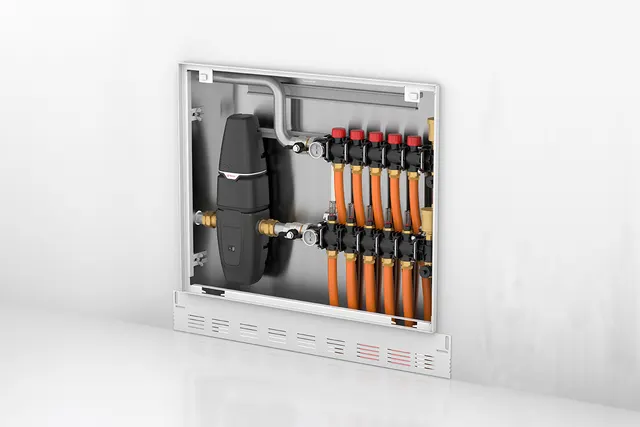
As an expert on the Fernox range, Vincent Dubois discusses other products, each of which helps keep the installation in good condition. “We also fit the TF1 magnetic filter on every new boiler, which is very useful for collecting heating sludge during maintenance. And, of course, we use F1 or F9 inhibitors as a preventive measure to protect the installation.” His account shows how using specific, suitable products alongside a rigorous method can improve the durability and performance of heating systems while making the work of industry professionals easier.
Question about this story? Ask your question
Companies in this story
Keep following this
Get an email when a new story is published. No account needed.
- ThemeAlternative heating and cooling
- SubjectHeating
- CompanyFernox