Refrigeration technology: essential for comfort and food safety
Texte Wouter Polspoel | Photos Pixabay et IA
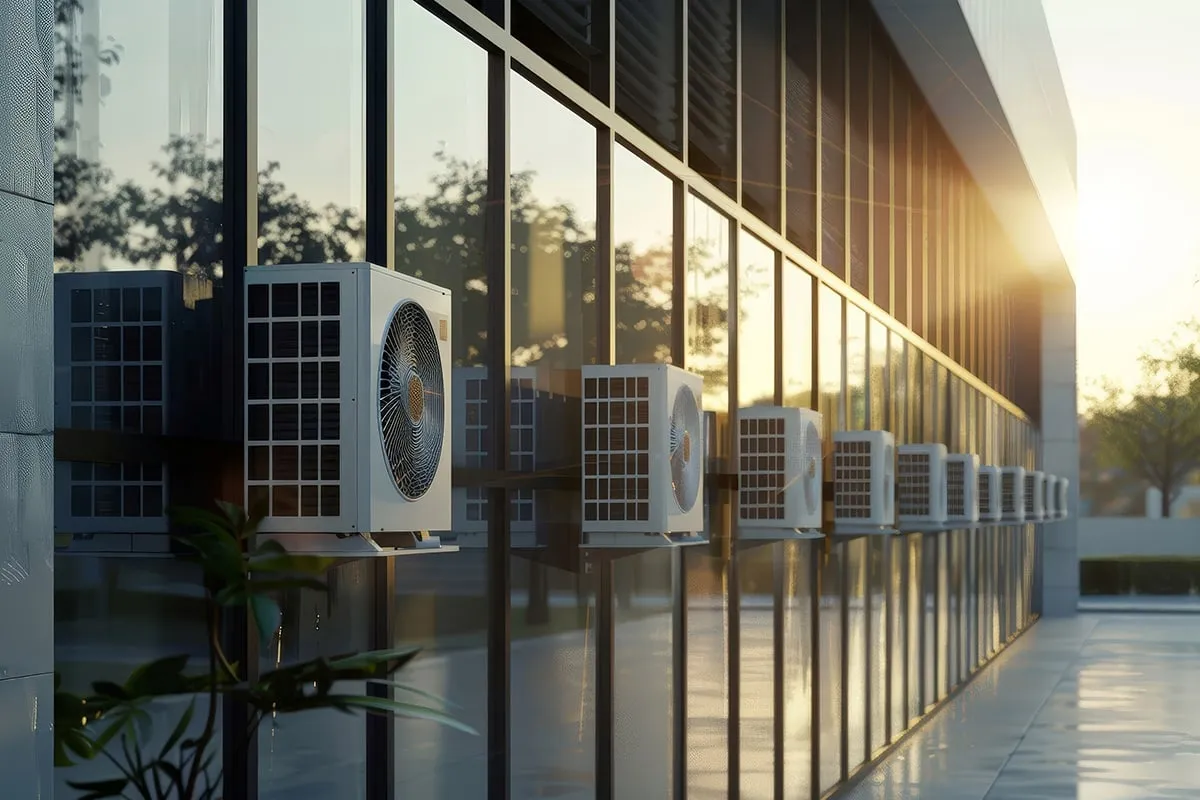
Refrigeration technology plays a crucial role in the HVAC sector, helping systems operate efficiently and creating a comfortable indoor climate. But what exactly does it involve? What applications are we familiar with? And what challenges and opportunities does it present for HVAC installers? Here is a brief overview.
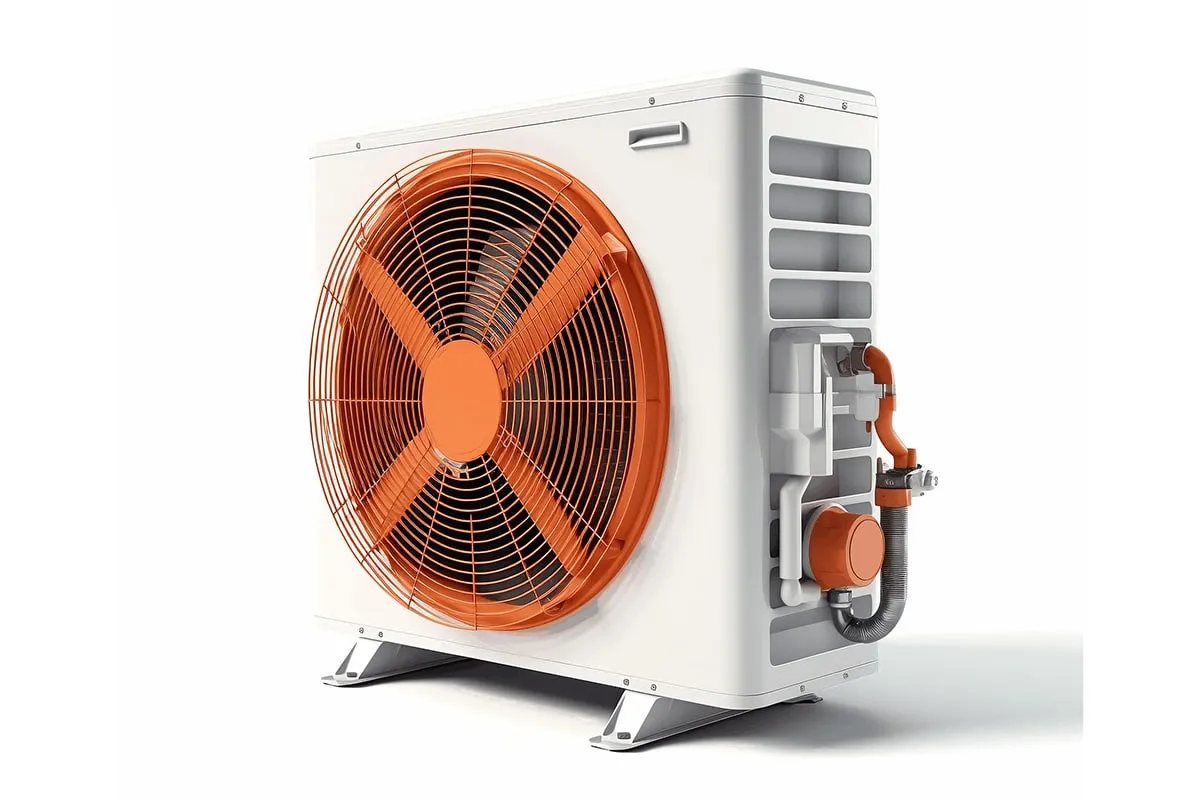
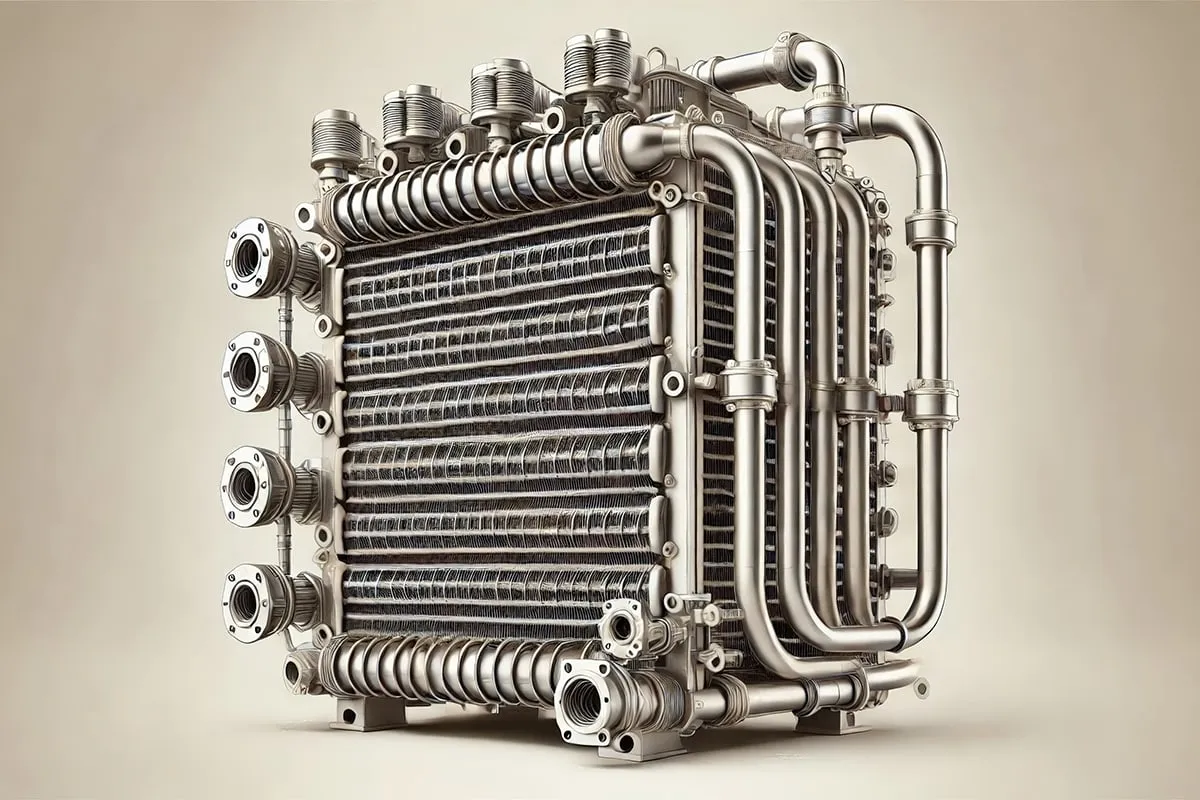
Refrigeration technology has one purpose: to remove heat from a room, product or process in order to maintain a specific temperature. There are various cooling technologies, including absorption cooling, adsorption cooling, thermoelectric cooling, evaporative cooling and magnetic cooling. However, the best-known and most widely used cooling technology is undoubtedly mechanical compression cooling (in the rest of this article, references to refrigeration systems mean mechanical compression cooling systems, ed.). This requires a refrigerant and a closed circuit containing a compressor, condenser, expansion valve and evaporator. A step-by-step process, known as a thermodynamic cycle, causes the refrigerant to liquefy from a gas and then cools it considerably. The cooled refrigerant then absorbs heat from the room or system and dissipates it, still in gas form.
Mechanical compression cooling is used in a range of fields, including healthcare, food preservation and the (chemical) industry, as well as the HVAC sector.
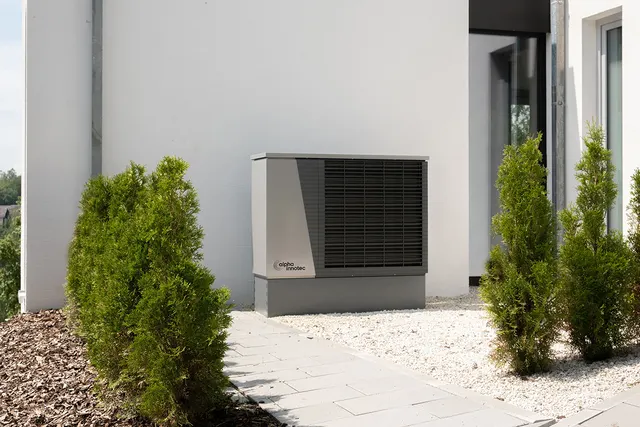
For example, HVAC systems such as heat pumps, air conditioners and ventilation units make extensive use of refrigeration technology to maintain a comfortable temperature indoors.
Developments
Mechanical compression cooling is an evolving field. As with many technologies, technical improvements and innovations on the one hand, and specific regulations on the other, are making the technology more efficient, sustainable and user-friendly.
Regulations on refrigerants have been considerably tightened in recent years to reduce harmful emissions. Substances such as CFCs and HFCs are being replaced by natural alternatives such as CO2, ammonia and propane. These new refrigerants are less harmful to the environment, but using them requires changes to system design and installation.
Sensors and smart technologies are making it increasingly easy to monitor and optimise cooling systems, helping to reduce energy consumption. Faults can also be detected in good time, reducing downtime. New compressors and better-insulated components are also making mechanical compression refrigeration systems more economical than ever.
Mechanical compression cooling has also led to the development of another technology: heat recovery. This technology recovers the heat generated by cooling systems as a logical by-product, which can then be used, for example, to heat domestic hot water or rooms. This makes cooling systems doubly efficient and reduces energy costs.
Challenges
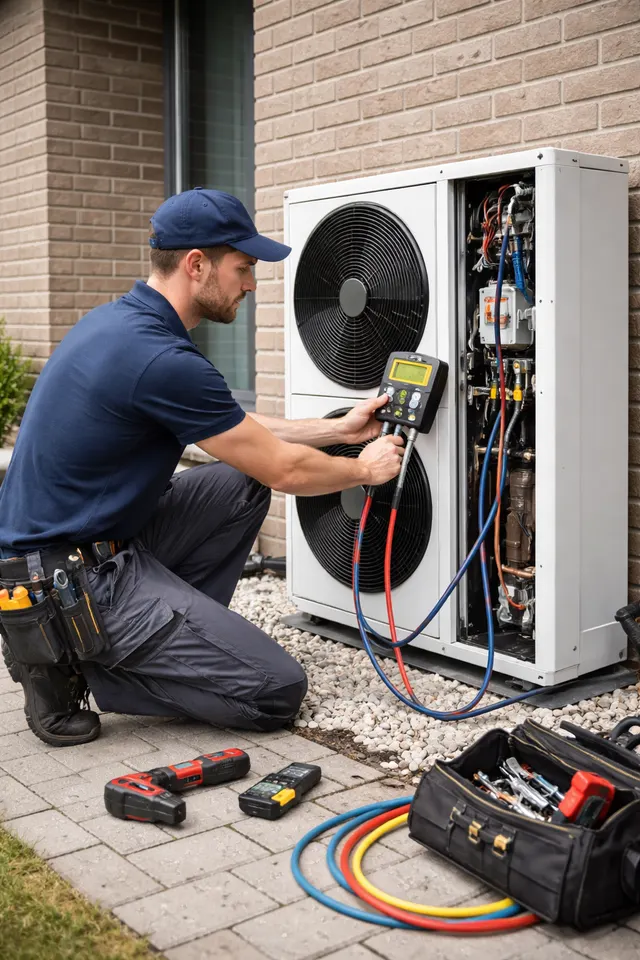
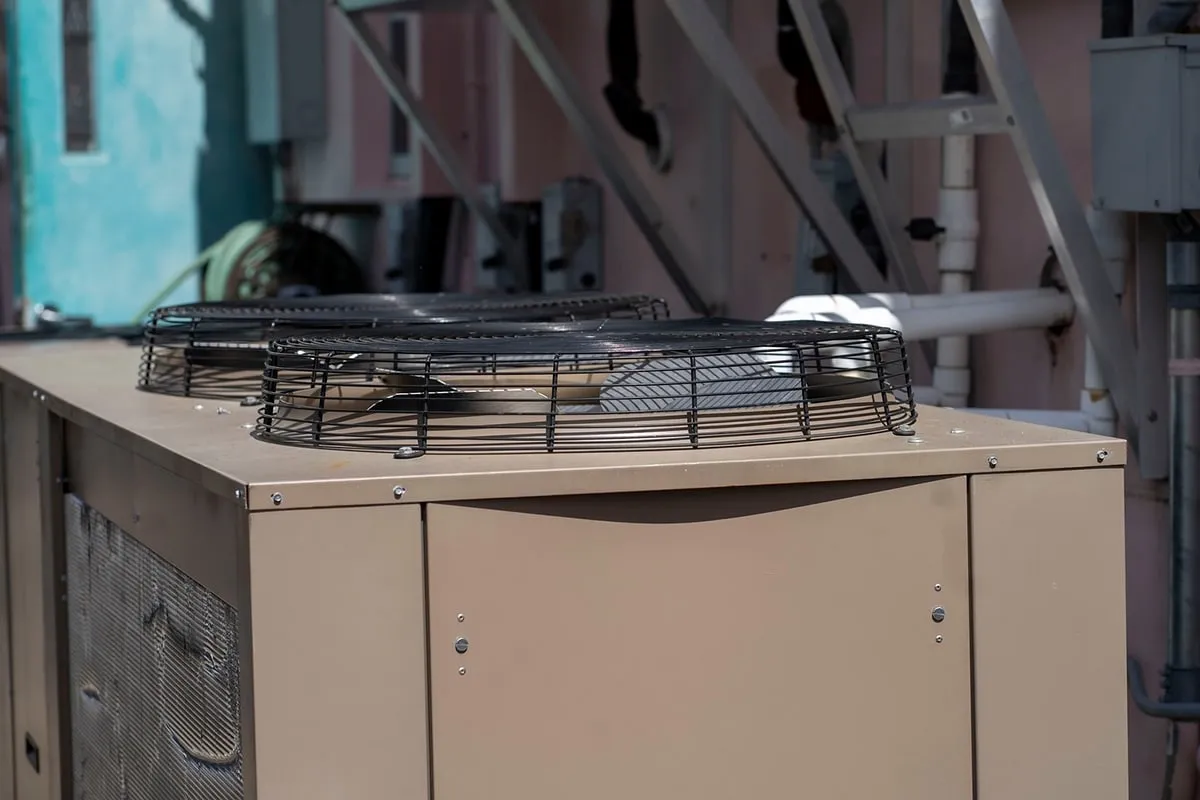
Although mechanical compression cooling is now commonplace in the HVAC sector, it still poses challenges for installers. Working with the natural refrigerants mentioned above, for example, requires specific expertise. These substances often operate at high pressure, so additional safety measures are needed.
Rising energy prices are another challenge for HVAC installers. Cooling systems are among the biggest energy consumers in commercial buildings, creating an incentive to implement energy-efficient solutions.
The future of refrigeration technology
Under pressure from international climate targets, refrigeration systems are expected to become even greener in the years ahead. At the same time, there will be more opportunities to integrate solar energy and batteries into systems, making them completely energy-neutral.
The role of data will inevitably grow too. It is almost certain that smart algorithms will one day be able to manage cooling systems fully autonomously, minimising energy losses. This will not make HVAC installers redundant, but they will need to shift their focus from physical installation to digital optimisation and servicing.
In conclusion, mechanical compression cooling is an essential part of both commercial and residential HVAC systems. Like HVAC systems themselves, the technology will only become greener in the future. It will clearly be essential for HVAC installers to keep up with all the innovations in this field.
Refrigeration engineer: a profession in its own right
The European F-gas Regulation states that not every HVAC installer is automatically permitted to work on refrigeration systems. This applies to all technical work on refrigeration systems that use refrigerants, from installation and maintenance to repair and decommissioning. Only certified companies and individuals are authorised to carry out these activities. This is due to the safety risks and environmental impact of certain refrigerants. Requirements vary from region to region.
Any small or medium-sized enterprise with its registered office in Wallonia that wishes to carry out the regulated activity of refrigeration engineer must demonstrate the professional competence required for this activity within the SME to a Business Counter. This competence can be demonstrated by means of a diploma, professional experience or a certificate from the central examination board.
In the Brussels-Capital Region, every “refrigeration technology company” must be registered. The procedures include different categories of certificate, depending on the work to be carried out (categories I, II, III and IV). Only refrigeration technicians with a valid certificate of competence (or a certificate compliant with European Regulation No 303/2008) who are employed by a duly registered refrigeration technology company in the Brussels-Capital Region may work on refrigeration systems where this could result in emissions of ozone-depleting substances and/or fluorinated greenhouse gases. These certificates are issued by one of the examination centres approved by the Brussels-Capital Region.
Question about this story? Ask your question
Keep following this
Get an email when a new story is published. No account needed.
- ThemeThe evolving installer profession
- SubjectHVAC