Energy efficiency starts with a good understanding of the installation
Texte & photos Carrier International Benelux

Buildings need to provide a comfortable and reliable indoor climate. HVAC systems play a central role, but also account for a considerable share of energy consumption. The question is therefore not just whether a system is working properly, but how efficiently it is doing so. Which components are using energy unnecessarily? And where is there scope for improvement? To reduce energy consumption in a targeted way, it is first necessary to understand how the system works and how efficiently it operates. Carrier, a manufacturer of HVAC systems and related technologies, can help with this for cooling systems by carrying out an audit or energy analysis.
When a cooling system consumes a lot of energy or no longer meets expectations, replacing it often seems like the obvious solution. However, this does not necessarily need to be the first step. Many systems have been modified during their service life. Components have been replaced, the system has been extended and/or settings have been changed. The use of the building may also have changed, meaning that the system now operates under different conditions from those for which it was originally designed. As a result, some components may still be technically sound, while the cooling system as a whole is less efficient. For example, a chiller may be in good condition but still use more energy than necessary because of pump operation, controls, temperature settings or the load profile.
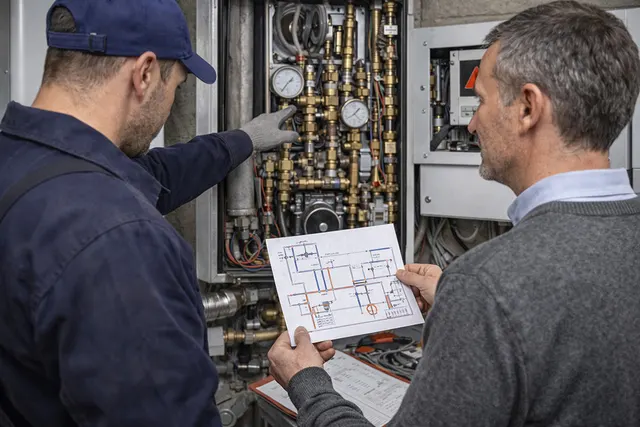
An energy analysis therefore starts by mapping the equipment in place and the layout of the cooling system. It then examines the performance of the components within that configuration. The findings may show that optimising the existing system is sufficient. In other cases, replacing a component or carrying out a more extensive upgrade may be necessary.
Turning performance into measurable data
Through an energy analysis, Carrier assesses the actual performance of a cooling system and identifies potential improvements. The analysis looks, among other things, at energy consumption in relation to the actual load, temperature regimes, operating hours and system behaviour under different operating conditions.
The required data may come from building management systems, monitoring devices or connected services, and can be collected remotely in part. Carrier then analyses this information in the context of the building and how it is used. Comfort requirements and operational priorities are also taken into account.
The findings are set out in an audit report. It provides an overview of the cooling system’s observed performance and savings potential, and includes recommendations for further improving its operation. The result is a technical basis for prioritising investments and work.

From audit to practical solution
Identifying the most appropriate measure depends on the system and the building. Sometimes, adjusting the settings or modifying the control system is enough. More efficient pump control can also make a difference. In other situations, partially or completely replacing the cooling system is the best solution.
This was the case at a hotel owned by an international hotel group in central Rotterdam. Carrier’s Dutch service team analysed the existing chillers, which had been manufactured by other companies. The hotel wanted to reduce the noise levels of the machines, improve their energy performance and cut emissions.
The analysis showed that replacing the existing cooling system was the most appropriate solution. Carrier recommended two optimised chillers equipped with scroll compressors, together with a new control system for managing and monitoring the plant room, as well as variable-speed pumps.
According to the audit report, the upgrade achieved energy savings of 72%, with a payback period of less than three years. Noise levels also fell as planned.
Technical and financial considerations
An energy audit does more than identify possible technical interventions. The report can also provide an overview of the financial impact of potential measures. Expected energy savings, emissions reductions and return on investment help building managers compare the different options.
An energy analysis therefore precedes the choice of a practical solution. Sometimes, the greatest potential lies in optimising the existing cooling system. In other cases, an upgrade or replacement may prove more cost-effective. In every case, the right choice depends on how the cooling system actually operates.
Question about this story? Ask your question
Keep following this
Get an email when a new story is published. No account needed.
- SubjectHVAC