











Smart charging infrastructure: how to avoid peak demand and cut electricity costs
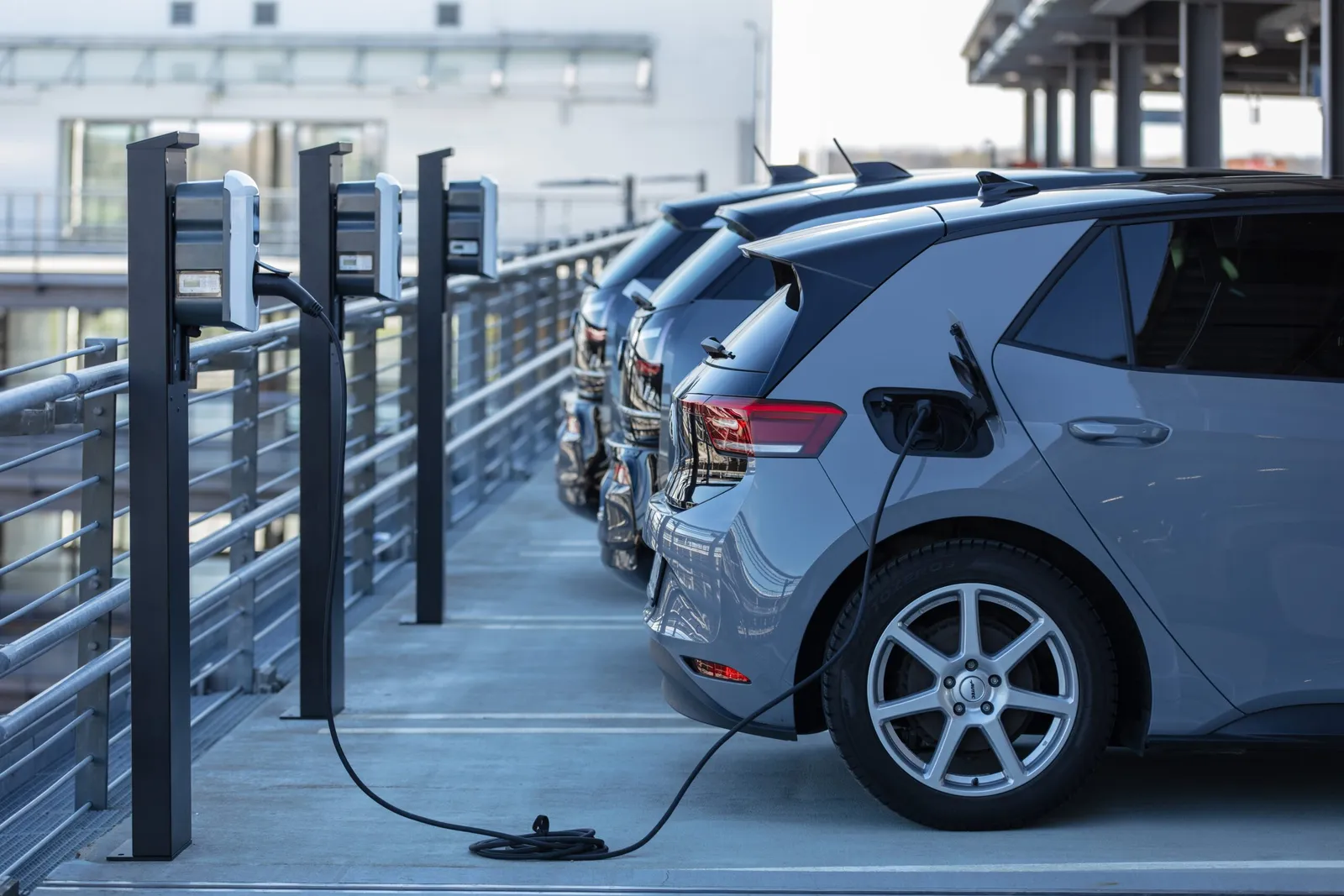
As charging infrastructure expands, smart energy management is becoming essential, both to protect the electricity grid and to keep costs under control. Peak demand does not just put the grid under strain, it also leads to a significant increase in distribution charges.
Between capacity tariffs, investment in grid expansion and levies linked to electricity consumption, e-mobility is becoming increasingly costly in Belgium. By optimising the charging of electric vehicles and intelligently distributing power, it is possible to ease the strain on the grid while saving money.
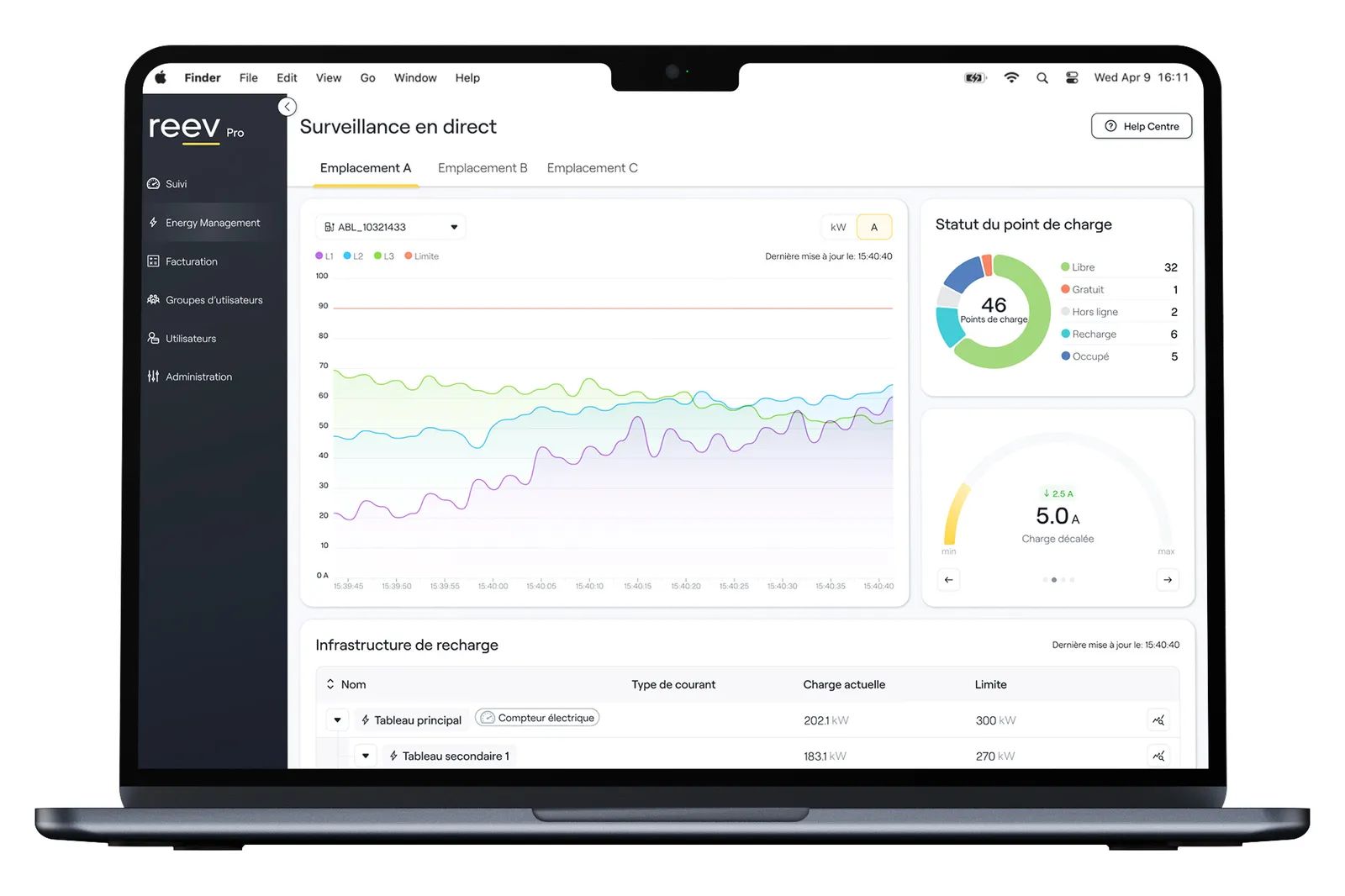
Our new Smart Guide explains how dynamic load management and energy storage can reduce peak power demand by up to 25% without compromising ease of use. This approach makes it possible to optimise the use of existing grid connection capacity, make better use of locally generated electricity from photovoltaic systems, and limit grid charges and the need for expansion.
This concise guide is primarily aimed at electrical installers and project managers who want to offer their customers sustainable solutions using proven technologies and intelligent control via the reev energy and charging platform.
Een zakelijke vraag aan Reev? Get in touch
Companies in this story

Keep following this
Get an email when a new story is published. No account needed.
- ThemeSafe and adaptable electrical installations
- SubjectNews
- CompanyReev







