Green hydrogen and battery parks, catalysts for the energy transition in Wallonia
Texte Philippe Selke | Photos Pixabay
Wallonia is firmly committed to the energy transition, a challenge that is both colossal and exciting. At the heart of this transformation, two technologies are emerging as essential drivers of a low-carbon future: green hydrogen and battery parks. These complementary, strategic solutions help address the challenges of renewable energy intermittency and the need to decarbonise heavy industry and transport. Here is an overview of the region’s current position, ambitions and challenges.
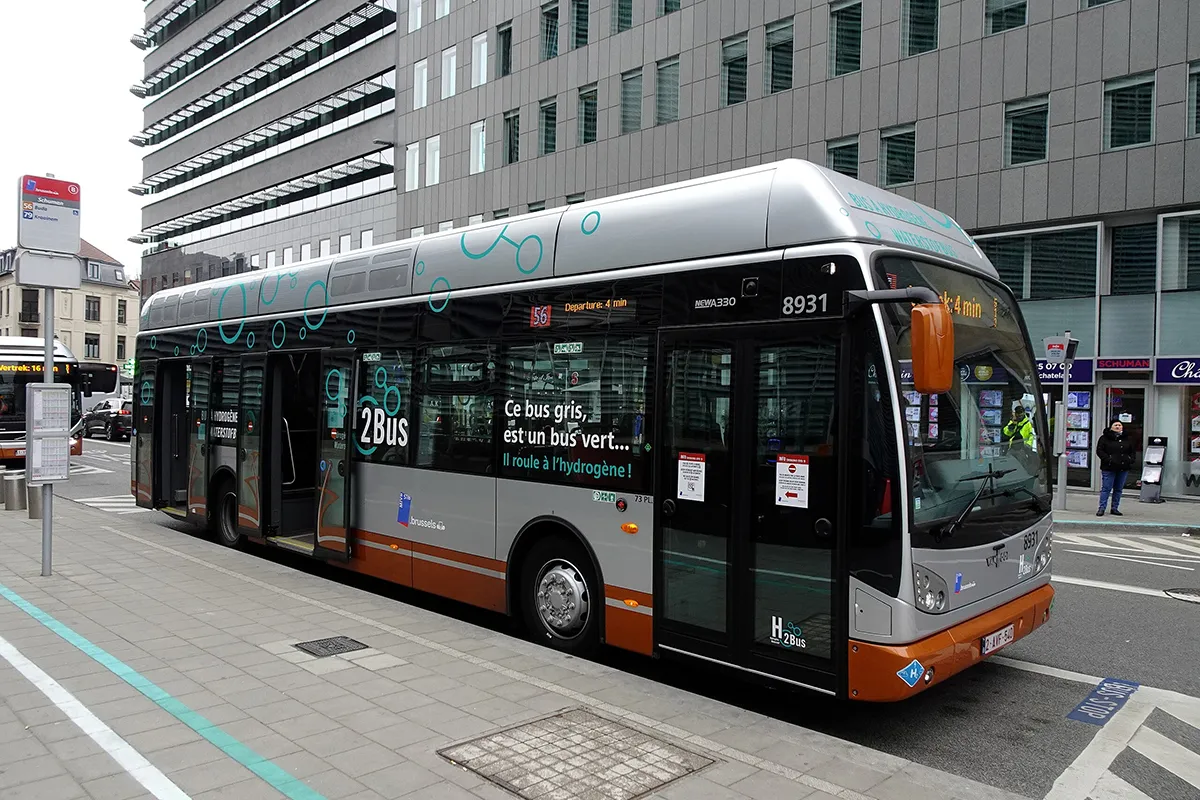
,Green hydrogen production is a major challenge for Wallonia. Unlike grey hydrogen, which is produced from natural gas and is responsible for high CO2 emissions, green hydrogen is obtained by electrolysing water using electricity from renewable sources. This is precisely the technology that interests the region, which is keen to reduce its emissions while preserving its industrial competitiveness. Wallonia therefore aims to establish itself as a key player, thanks to its transport and distribution infrastructure and its capacity to produce hydrogen locally. Its location at the heart of Europe makes it a strategic hub for hydrogen logistics, reinforced by a dynamic industrial ecosystem and ambitious investment.
The Walloon government is actively supporting the development of hydrogen through ambitious strategies, such as the Strategic Innovation Initiative (IIS) for hydrogen. In parallel, infrastructure such as H2Hub Valley is strengthening hydrogen storage and distribution capacity in Wallonia, reinforcing its role as a European hub.
Decarbonising industry and transport
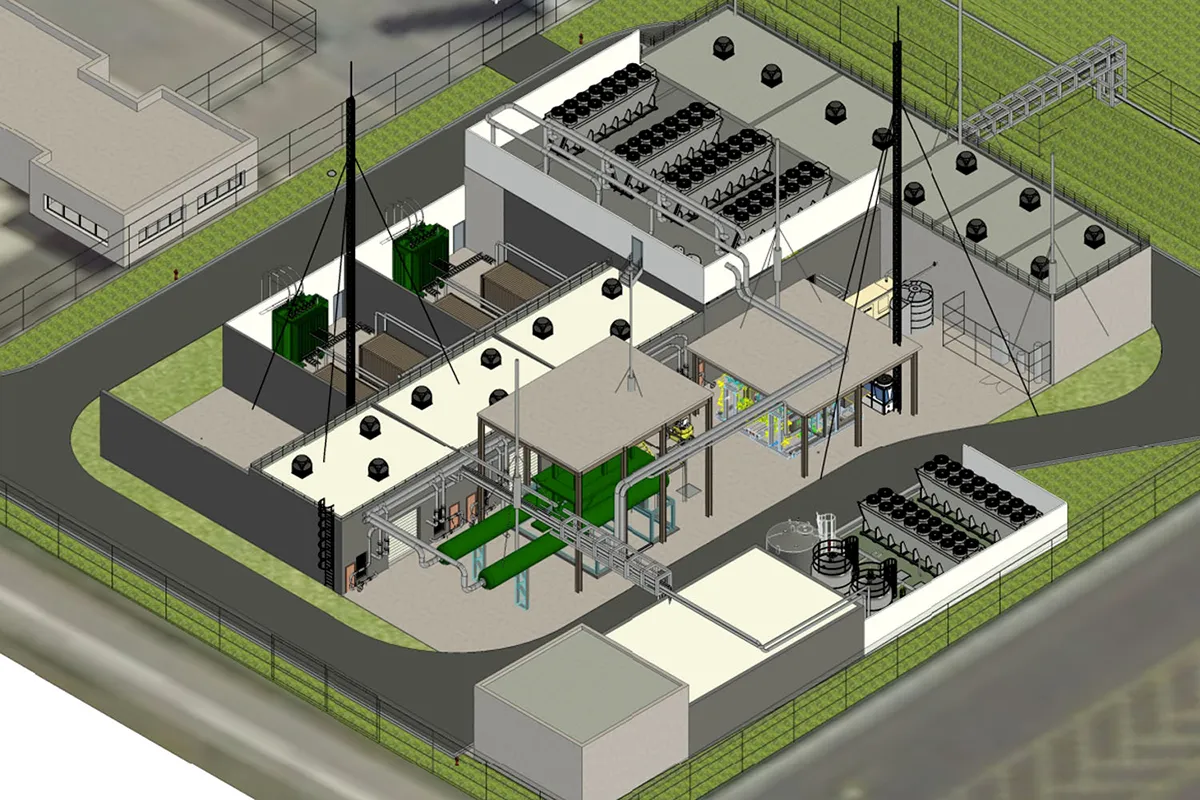
John Cockerill, a long-established player based in Seraing, is central to this drive. Its expertise in manufacturing electrolysers puts Wallonia on the European energy transition map. The company does more than produce equipment: it is actively involved in pilot projects in industry and transport, integrating green hydrogen as a decarbonisation solution. These projects involve sectors including steel, chemicals and heavy-duty transport, where direct electrification remains limited. The ambitions are clear: to reach 250 MW of installed electrolysis capacity in Wallonia by 2030, a crucial step towards regional energy autonomy. The Vallhyege project (€60 million), led by Colruyt and John Cockerill, with €25 million in funding from the Walloon Region, aims to make Wallonia a hydrogen valley. Selected by the Walloon government, the project will be developed in Engis (Liège) by Virya Energy and will be Wallonia’s first green hydrogen production unit, with an initial capacity of 15 MW (1500 tonnes of low-carbon hydrogen), expandable to 25 MW. The hydrogen produced will supply local infrastructure, including a barge and a heavy-duty road transport station at Trilogiport, as well as the DATS24 station in Herve and potentially a future station at Liège Airport.
Securing the supply of green electricity
But for green hydrogen to deliver on its promise, it needs an abundant supply of low-carbon electricity and a sufficiently flexible grid to absorb production peaks. This is where battery parks come in. The growing deployment of renewable energy, particularly solar photovoltaics and wind power, is making production increasingly intermittent.
Without an effective storage solution, green electricity risks being lost during periods of low demand or overproduction. It is currently estimated that battery park capacity in Belgium will increase tenfold over the next two years, as projects continue to gather pace.
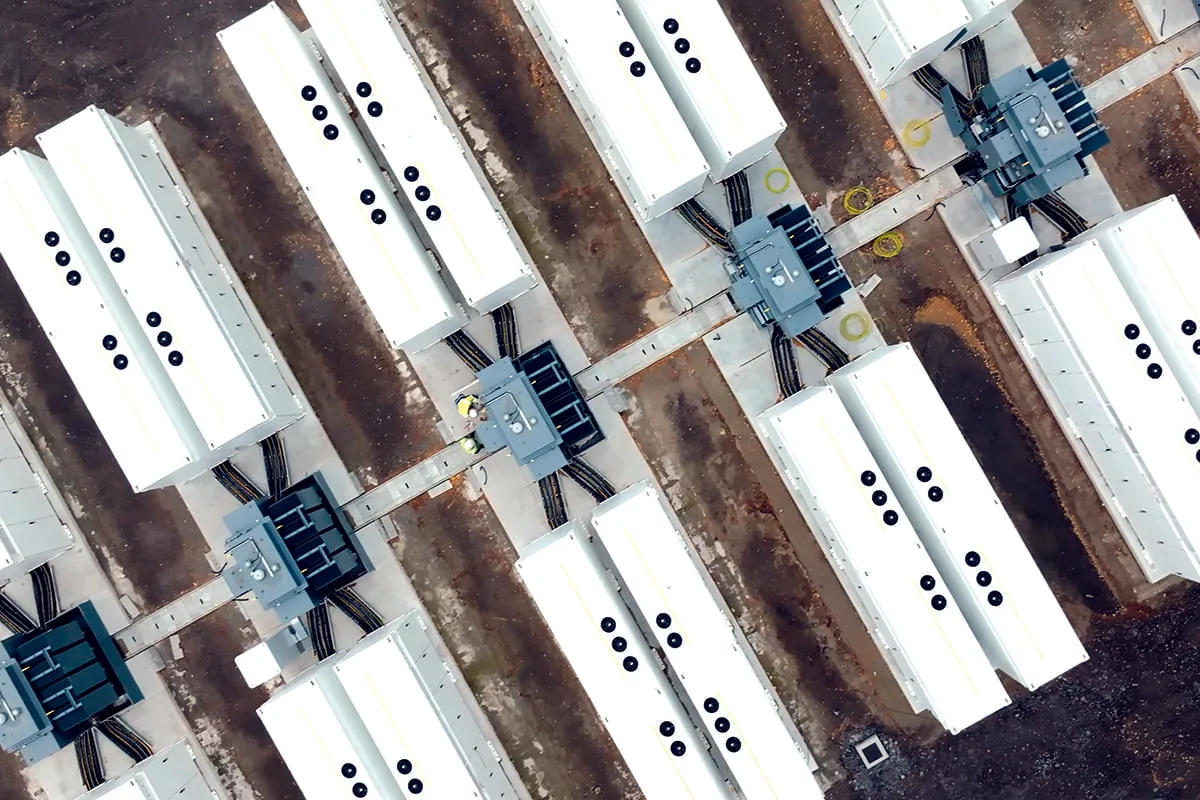
Eneco recently inaugurated in Ville-sur-Haine what is, for the time being, Belgium’s largest battery park (200 MWh). Several other large-scale battery projects are taking shape, led by private players and industrial consortia. New projects include a large 270 MWh battery park that the Estor-Lux II consortium plans to build in Aubange, in the province of Luxembourg. This is 10 times larger than Estor-Lux I in Bastogne, which paved the way in Belgium when it was commissioned at the end of 2021. Luminus is currently building a battery park with a capacity of several hundred MWh in Visé, in the province of Liège. Also worth mentioning is BSTOR at the Duferco site in La Louvière (140 MWh).
TotalEnergies in Feluy, … These projects illustrate Wallonia’s momentum and its ambition to secure electricity supplies while stabilising the grid. Technically, batteries provide several essential services: they store surplus electricity for use during consumption peaks, stabilise grid frequency and help balance the system through balancing markets. Different technologies coexist: lithium-ion, sodium-ion and flow batteries. Each has specific advantages: lithium-ion batteries offer high energy density and responsiveness, while flow batteries provide long service lives and modularity. Despite these promising advances, the battery sector still faces several obstacles. The regulatory framework is often considered too complex, slowing the rapid roll-out of projects. Administrative permits, although necessary, considerably extend commissioning times. Investment costs remain high, even though battery prices have fallen in recent years. Profitability still depends largely on market signals and support mechanisms. Finally, local acceptance is a significant issue: the installation of large storage units or electrolysers sometimes raises concerns among local residents about perceived risks and visual impact.
Drivers of competitiveness
In response to these challenges, Wallonia intends to accelerate progress. An action plan will be launched by 2026 to simplify procedures, clarify siting rules and encourage innovation through European funding. Cross-border cooperation, particularly with the Netherlands and Germany, will play a key role in pooling storage capacity and connecting green hydrogen hubs. Beyond the technical aspects, these two sectors are closely linked to Wallonia’s economic competitiveness. Green hydrogen offers a credible alternative to fossil-based hydrogen, enabling heavy industry to remain competitive while meeting climate targets. Battery parks, meanwhile, are the cornerstone of large-scale renewable energy integration, helping to manage intermittency and secure the grid. In conclusion, green hydrogen and battery parks are emerging as two major catalysts for Wallonia’s energy transition. Their deployment nevertheless requires a clear vision, simpler procedures and substantial political and financial support. With this in place, Wallonia can turn these technologies into economic and climate assets, consolidating its position in Europe’s clean energy sector.
Question about this story? Ask your question
Keep following this
Get an email when a new story is published. No account needed.
- ThemeGenerating and managing energy
- SubjectNews