From centralised to local networks: the rise of microgrids
Texte Wouter Polspoel | Photos Schneider Electric et Getty Images
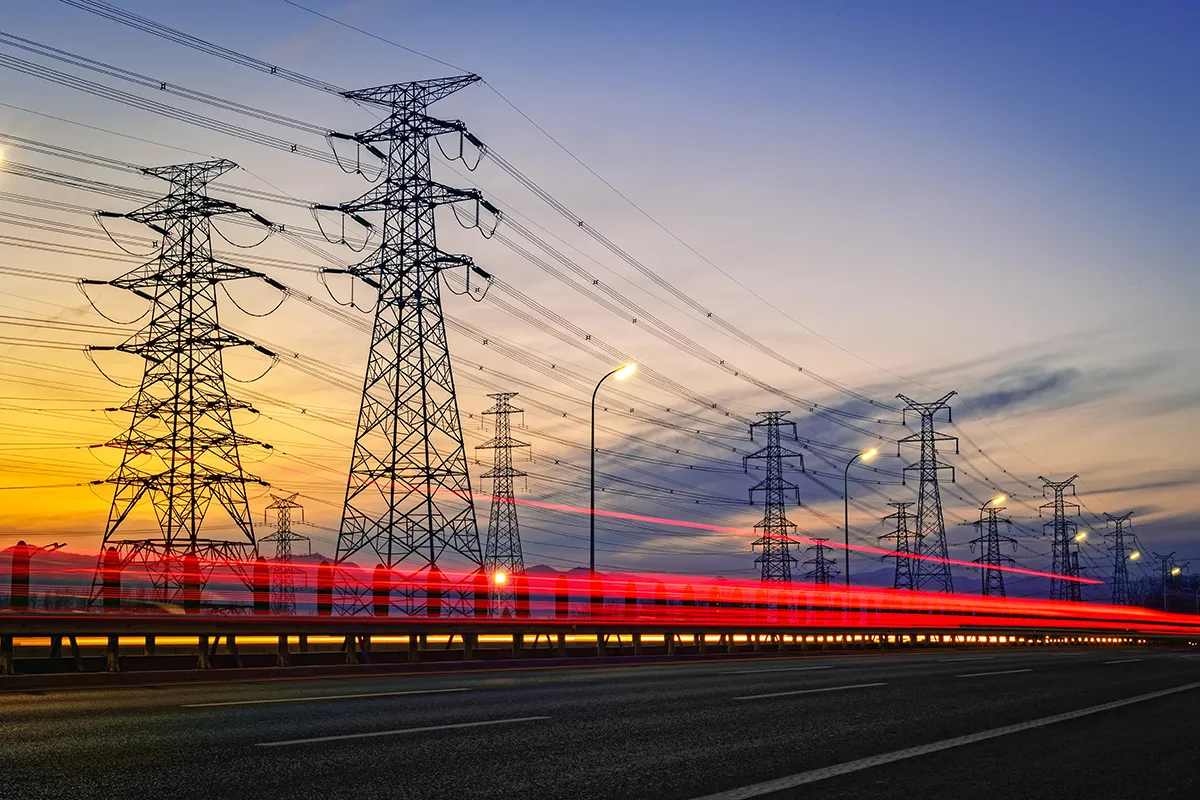
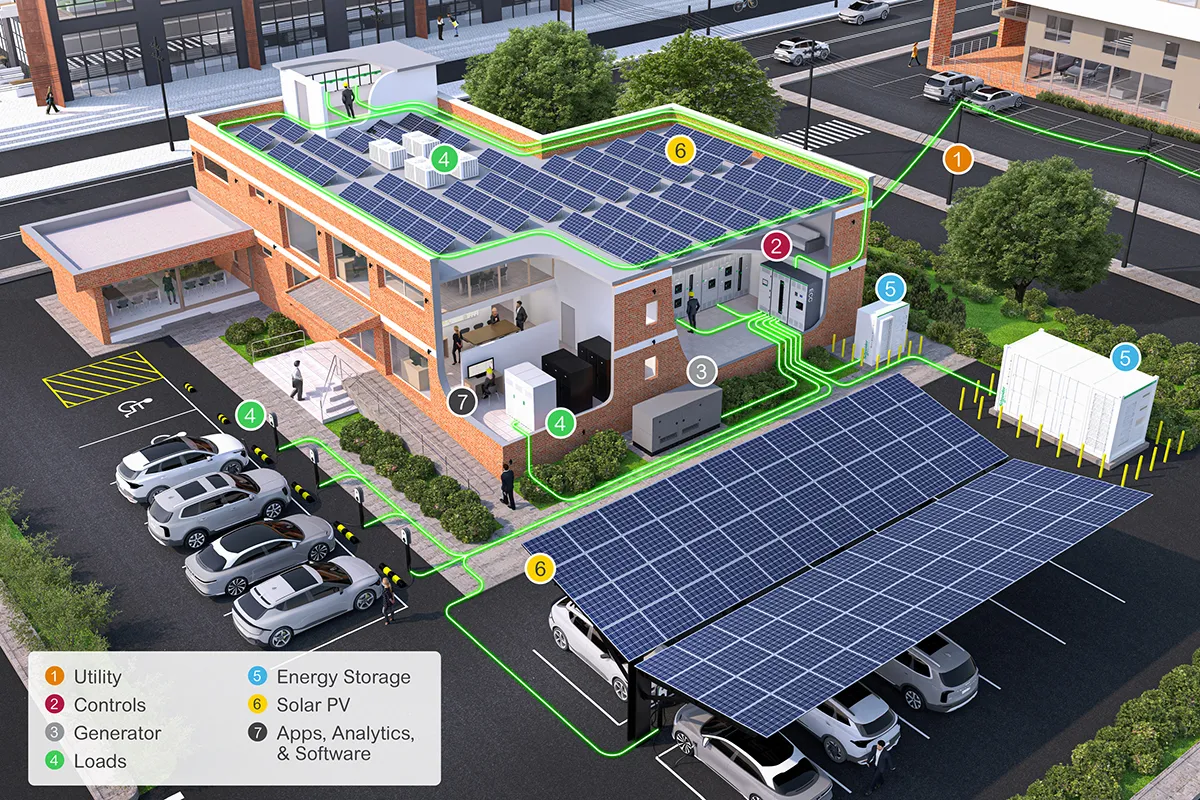
Anyone following developments in the energy transition has probably already heard of the microgrid, or local grid. It is a local electricity network that distributes power within a defined area, such as a neighbourhood, industrial estate, hospital, university campus or remote village. A microgrid can generate all the electricity it needs itself, using solar panels, a wind turbine or a combined heat and power system, and therefore operate autonomously. It can also be connected to the public electricity grid, drawing power from it and feeding in the energy it generates itself. A microgrid can also be equipped with electricity storage systems to continually balance supply and demand.
There are three types of microgrid. The most common is permanently connected to the public electricity grid, also known as the macrogrid. It is generally used by businesses or residential neighbourhoods that generate their own energy, but also draw electricity from or feed it into the grid.
The second type, the isolated or off-grid microgrid, is a fully self-sufficient system. It is not connected to the macrogrid and uses only the renewable electricity it generates itself. This type of microgrid is often used at festivals, in military applications or in remote areas.
The final type is the so-called switchable microgrid. It is connected to the macrogrid and operates autonomously only if the latter fails. It is generally used by facilities where continuity of power supply is crucial, such as hospitals, data centres, airports or large manufacturing businesses.

Greater and more efficient use of renewable energy
The practical value of microgrids should not be underestimated. But in the context of the energy transition, this scaled-down version of a conventional electricity grid is also highly valuable. Microgrids make a lasting contribution to maximising renewable energy generation. They also help renewable energy to be used more efficiently, as they can store surplus power in batteries, or in EV charging points, for example, when the grid struggles to absorb it. Intelligent management systems enable them to maintain a constant balance between electricity generation and demand.
Not just useful for consumers
Microgrids can also be used by network operators themselves, particularly in areas where the grid is under heavy strain, to manage fluctuations in energy demand and to meet the growing need for electrification. Couldn’t these network operators simply expand the public grid, you might ask?
That is true, but upgrading the existing grid takes longer and costs more than setting up a microgrid.
A microgrid can therefore provide a temporary solution, delaying investment in expanding the conventional grid. But network operators can also install them as a permanent solution to increase capacity during peak electricity demand.
Pioneer
Anyone considering setting up a microgrid can turn to Schneider Electric. This global technology company, which specialises in energy management and automation, is a pioneer in the design, construction and management of microgrids, from small-scale installations to industrial-scale systems. To this end, the company works with local technology partners and network operators around the world.
Een zakelijke vraag aan Schneider Electric? Get in touch
Companies in this story

Keep following this
Get an email when a new story is published. No account needed.
- ThemeGenerating and managing energy
- SubjectNews
- CompanySchneider Electric