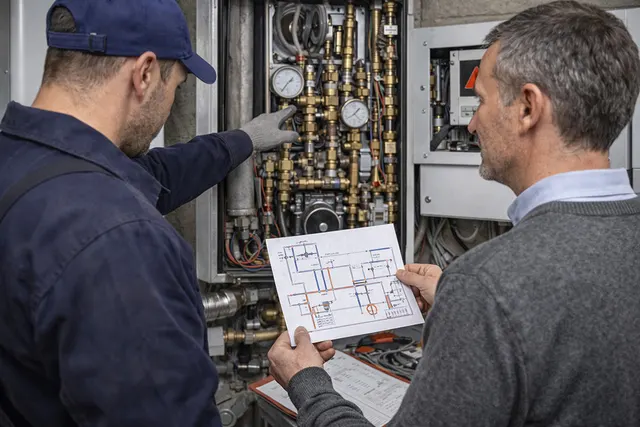
Save energy through hydraulic balancing
Many people looking to save energy invest in solar panels, better insulation or improved glazing. However, few people are aware of the savings that can easily be made by hydraulically balancing an existing central heating system or heat pump. Heating installation specialist John Visser explains what hydraulic balancing is and the benefits it can bring.
What is hydraulic balancing?
As the name suggests, hydraulic balancing involves adjusting a boiler or heat pump so that water is distributed evenly to all radiators and convectors. This may seem obvious, and since March 2020 it has even been compulsory for new installations and replacements, but in practice this is not the case for around 80% of existing installations. This is simply due to a lack of professional knowledge about the many adjustment options available across the wide range of boilers, and a lack of experience in optimising them. “Without carrying out regular, precise adjustments, it is impossible to get it right,” explains John Visser. “Over time, this leads to unnecessarily high energy bills and faster wear and tear on the installation.”
When necessary or when there is a problem
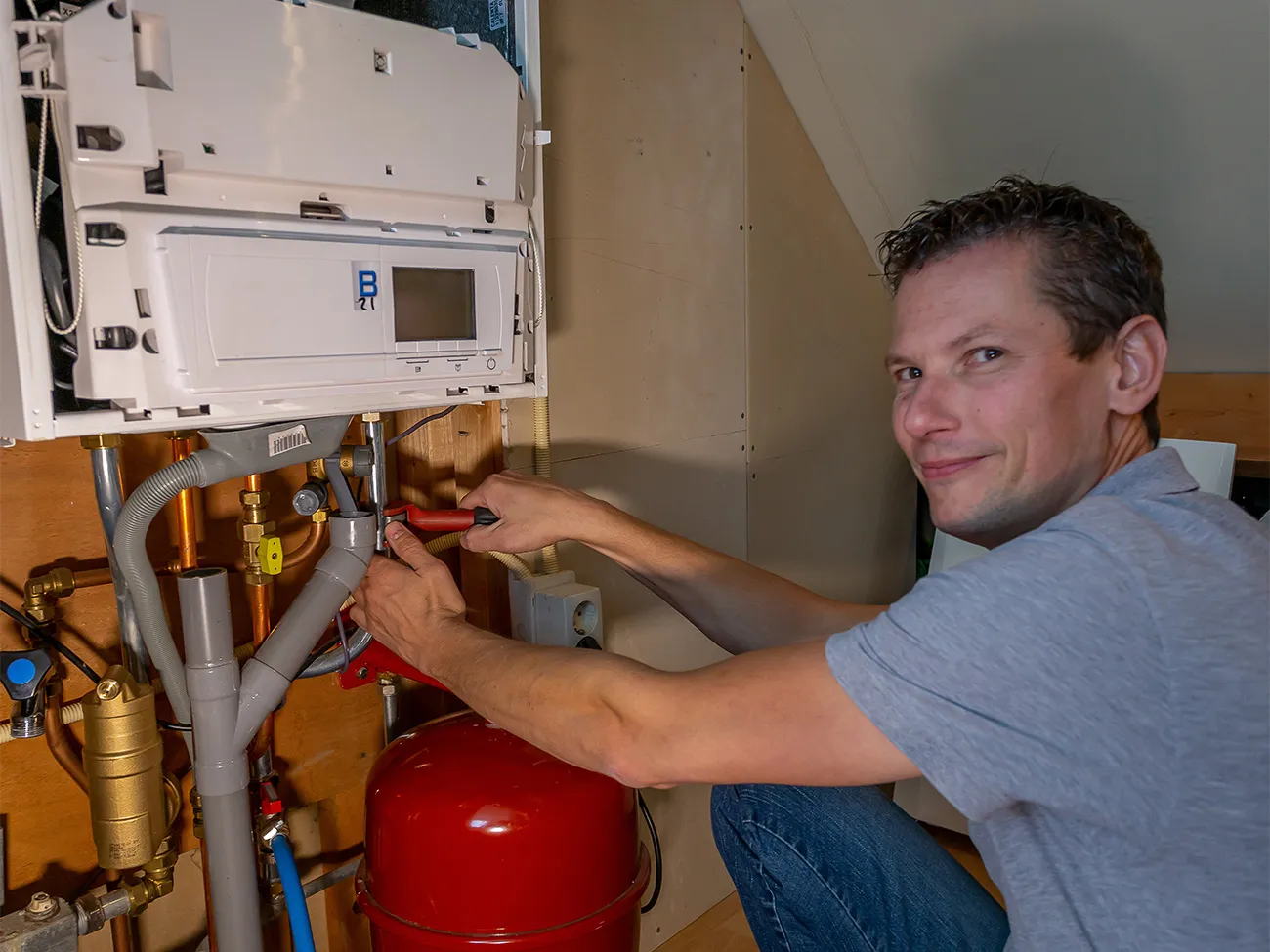
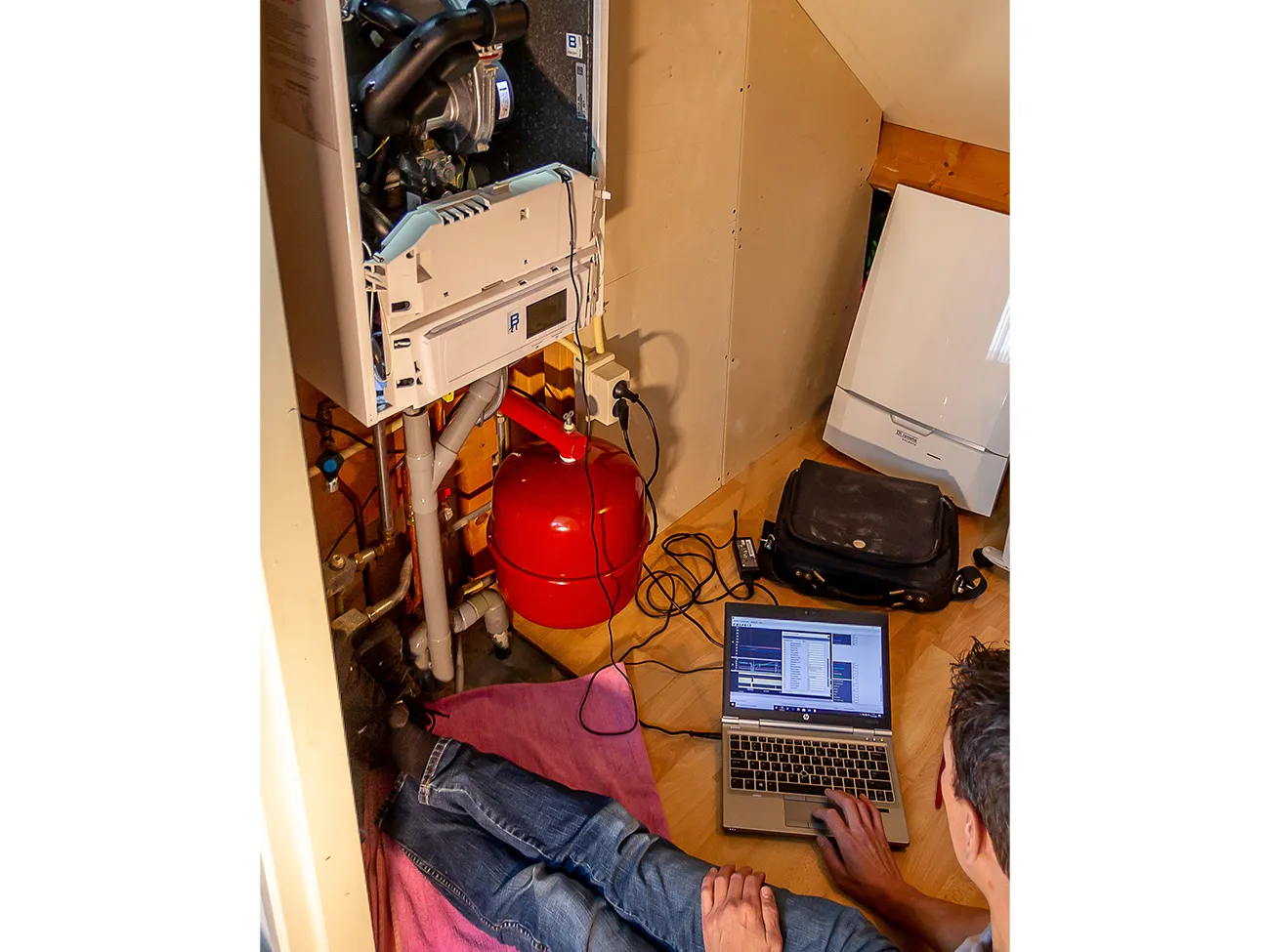
John Visser, from Vianen (the Netherlands), is an installer specialising in the hydraulic balancing of heating systems in homes and businesses. He also runs a vlog on the subject. “Most people come to me because they need to save energy, or because a radiator or underfloor heating system is not heating properly. I start by analysing the installation to identify possible causes and, if necessary, improve its hydraulic balance. Every week, I’m still surprised to see boilers and heat pumps set to their default settings and radiators connected incorrectly, even though hydraulic balancing has been compulsory for 1 and a half years. In addition, many installations perform poorly after only a few years because of air and dirt in the system water.”
Loss of efficiency
Heating and cooling systems become less efficient over time as a result of everyday use. Research shows that the accumulation of air and dirt in the system is in fact the main cause.
Unaware of the problem, many people compensate for the loss of performance by heating for longer at a higher temperature, thereby consuming far too much energy. In the interests of sustainability, high-efficiency boilers operating at lower temperatures and outputs have been installed for years to reduce energy consumption. However, as dirt accumulates more easily at lower temperatures, some of the theoretical efficiency gains offered by new-generation boilers are lost in practice.
The solution
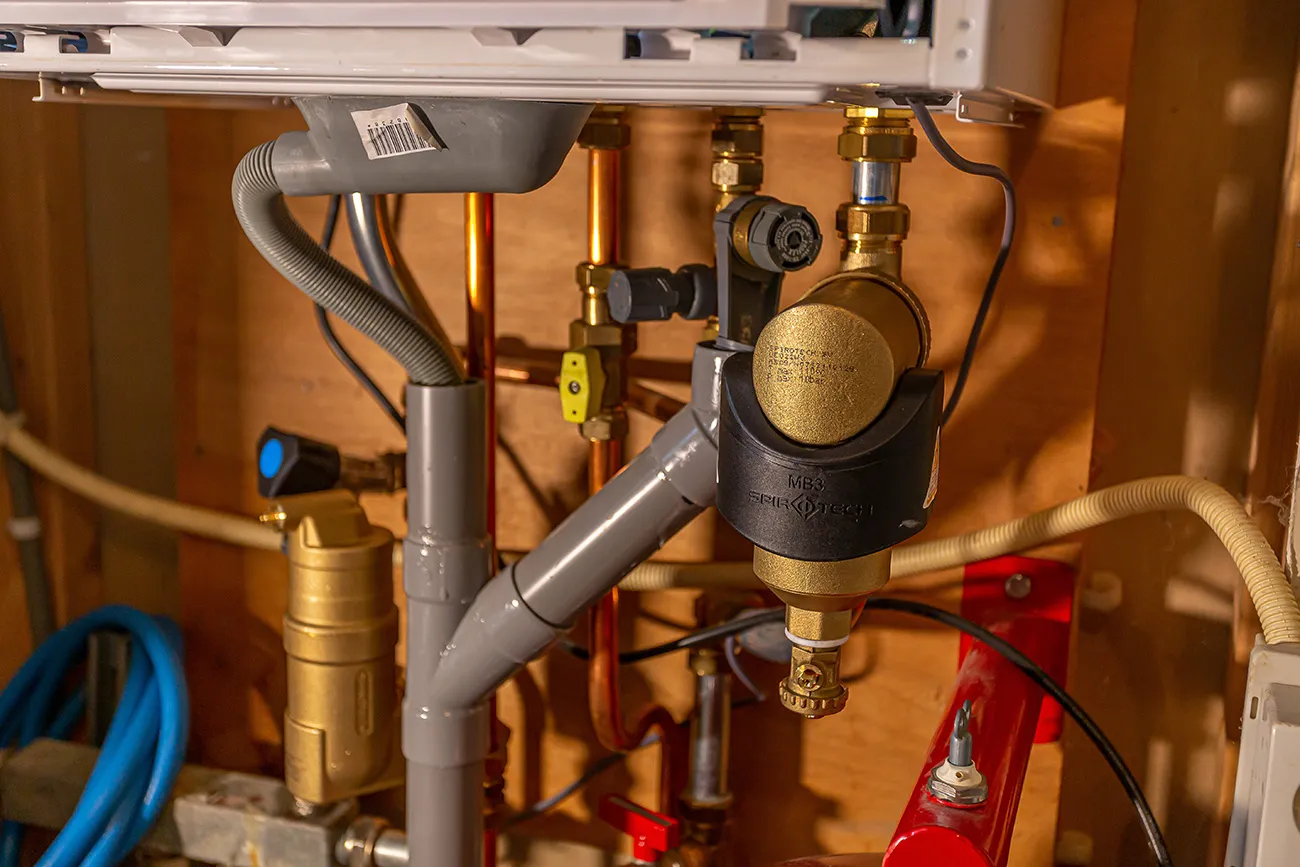
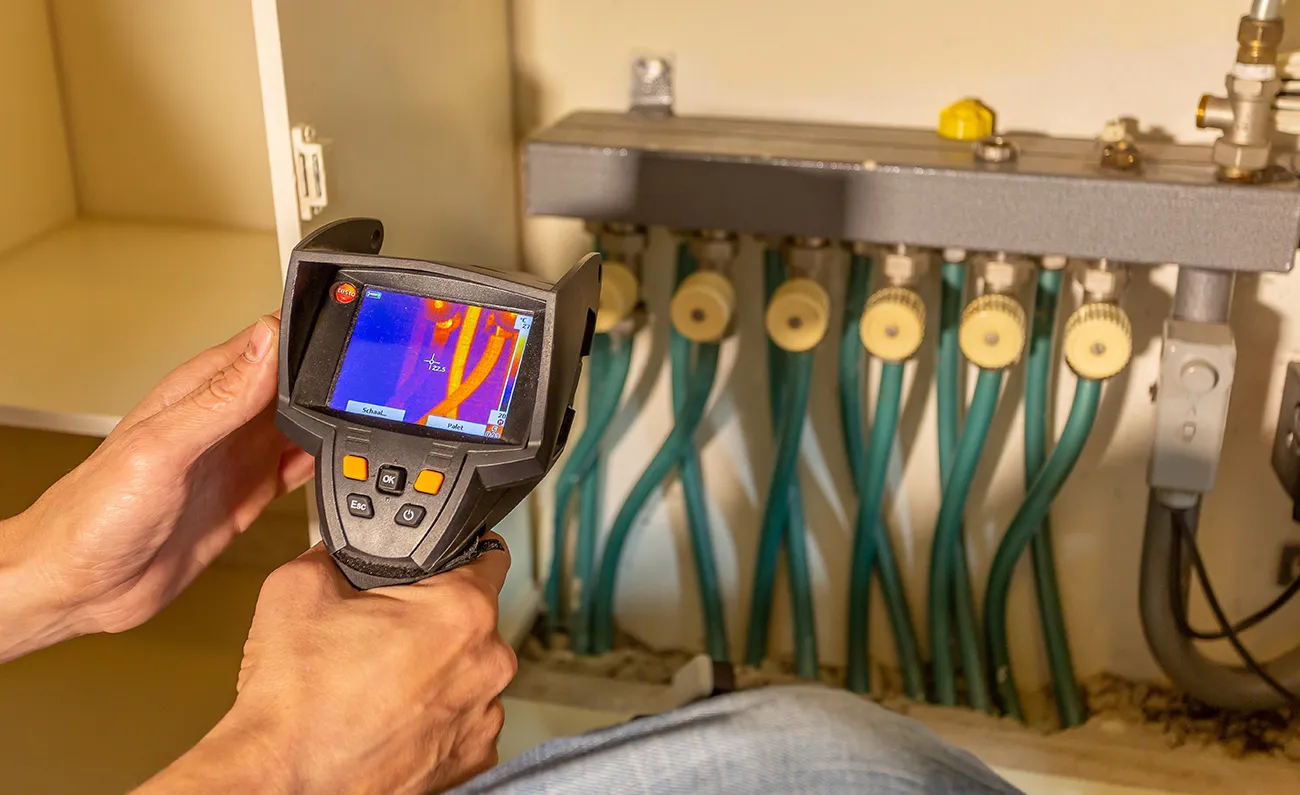
“If there is air and dirt in the system, they must first be removed using separate air and dirt separators,” explains John Visser. “Air is removed more effectively from the flow pipe and dirt from the return pipe. I use Spirotech solutions for this, as they are quality products made in the Netherlands, with a 20-year warranty and good service. I then optimise the hydraulic balance of the entire installation to suit the boiler or heat pump. I measure how the temperature changes throughout the installation and, in some cases, new adjustable valves may be needed. Incorrectly connected radiators are also, of course, corrected. With so many brands and types of central heating boilers and heat pumps, all with different settings, this is specialist work that needs to be carried out frequently to achieve the best results.”
The benefits
Hydraulic balancing can save between 5 and 10% on energy costs, meaning that work carried out on existing installations pays for itself in just 3 to 4 years. Although it is compulsory in new or renovated installations, in practice it is hardly ever carried out, or at least far too rarely. Another important benefit is reduced wear and fewer faults in the boiler or heat pump, extending their service life. “In my view, hydraulic balancing is a little-known aspect of the energy transition that everyone will face in the years to come,” concludes John Visser. “Consumers and businesses looking to save energy would be better off having their existing installation optimally adjusted before investing in improved insulation and solar panels.”
Spirotech, based in Helmond, supplies SpiroVent RV2 air separators and SpiroTrap MB3 dirt separators, which automatically remove air, microbubbles and impurities from the system water while the installation is in use. A SpiroCross combines air and dirt removal with the hydraulic balancing of the installation. Spirotech also supplies additives that maintain and improve the quality of the system water.
A business enquiry for Spirotech? Get in touch
Companies in this story

Keep following this
Get an email when a new story is published. No account needed.
- ThemeReliable installations for the long term
- SubjectHVAC
- CompanySpirotech