Combating bacteria and water waste
Texte Tom Rampelbergh | Photos Delabie
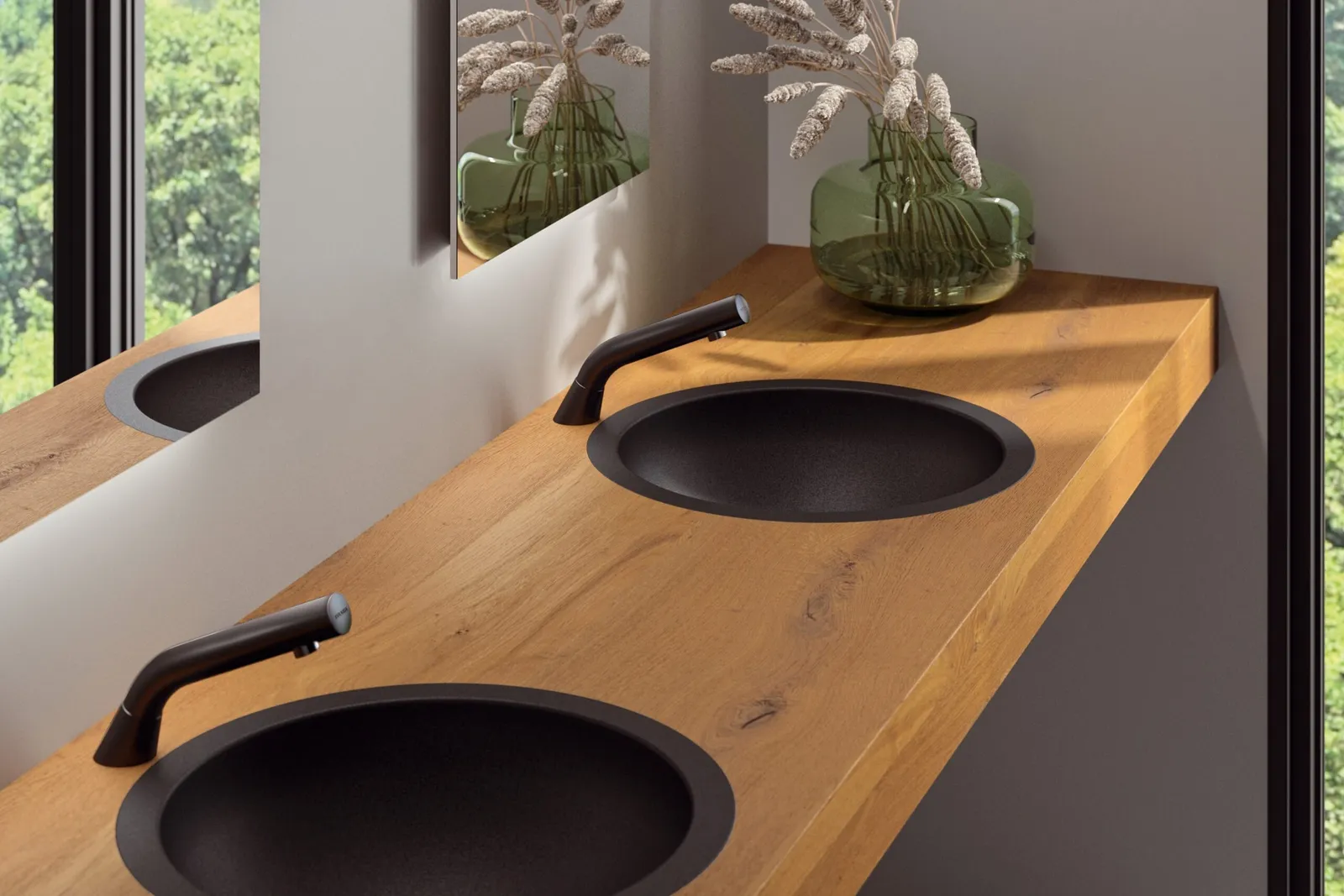
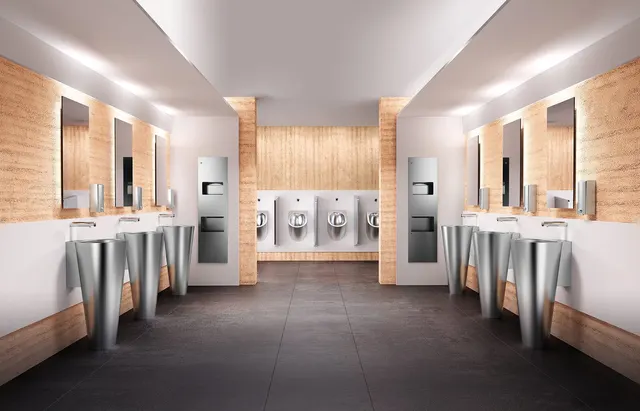
Handwashing and hand disinfection have always been key concerns. The coronavirus pandemic was a reminder of just how important these practices are. Since then, sanitary facilities in hotels, restaurants, cafés and bars, as well as professional kitchens, have rightly been paying even closer attention to them.
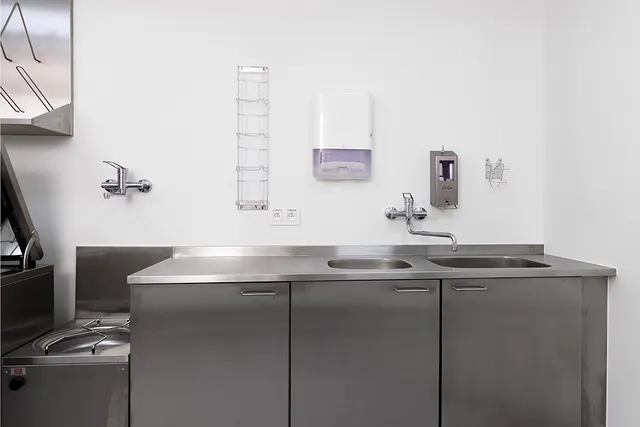
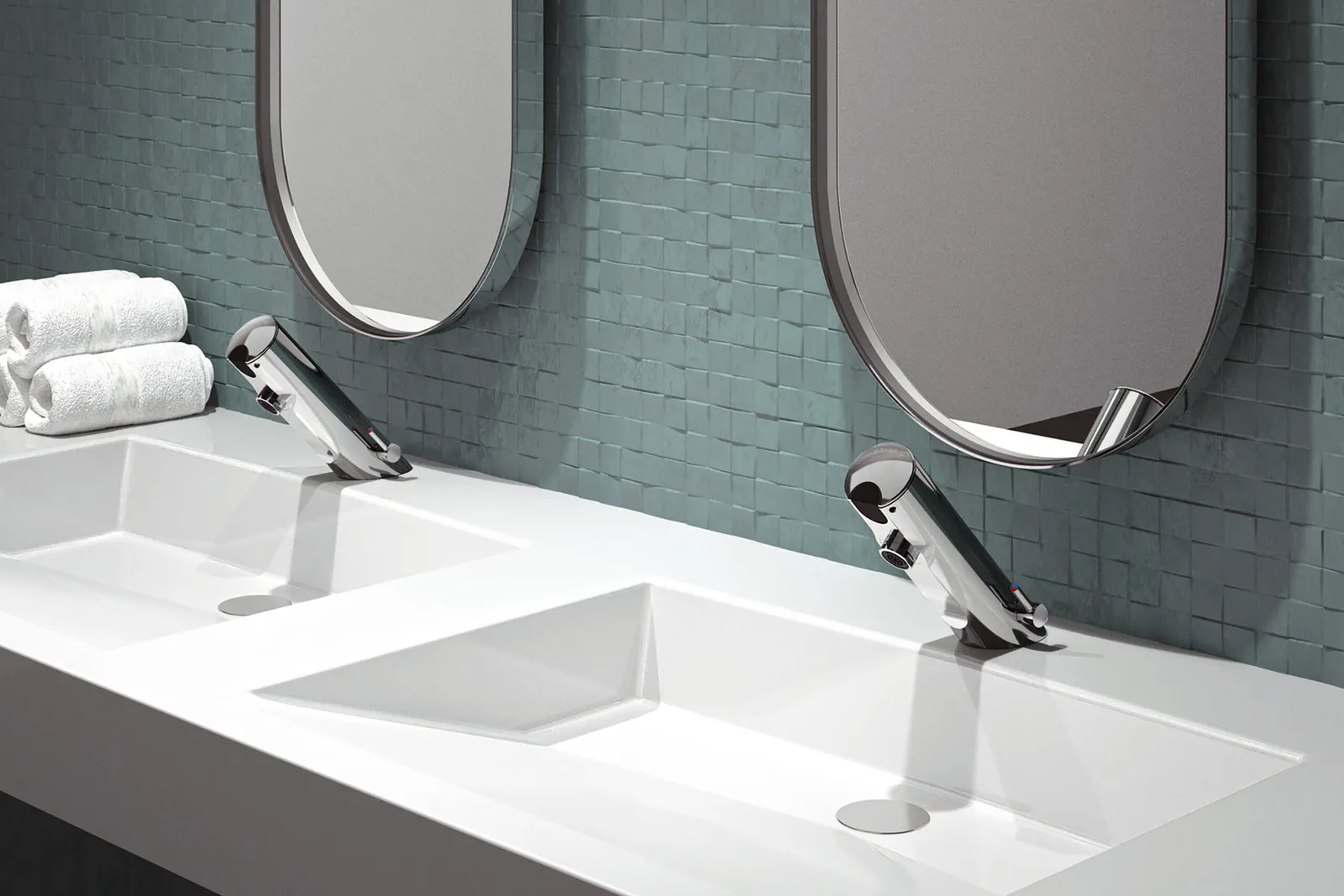
Demand for touch-free hygiene solutions is now very high, as the aim is to prevent the transmission of bacteria. But this constant focus has a downside: high water and energy consumption. “That is why it is more important than ever to install sanitary products that meet the requirements for public spaces,” says Delabie. “For several decades, we have been offering handwashing and disinfection solutions for public spaces and professional kitchens. Self-closing taps, soap dispensers, and electronic and mechanical taps all meet the strictest hygiene requirements. Self-closing taps, for example, shut off automatically a few seconds after activation. They require no manual contact and ensure maximum hygiene.”
Water free from pathogenic bacteria
Electronic taps offer another advantage. If a tap is not used for an extended period, for example when sanitary facilities are closed, an area is isolated or a hotel room is unoccupied, a programmable automatic flush is triggered every 24 hours after the last use. Water then flows through the tap and the pipes supplying it, limiting bacterial growth. “Some taps can also be fitted with patented anti-
stagnation solenoid valves,” says Svea Wagemans of Delabie. “Terminal filters are also a preventive or remedial solution for ensuring bacteria-free water. This brings us to another essential aspect of hand hygiene: the risk of bacterial transmission is higher when skin is wet. Drying hands is therefore crucial. That is why we offer a wide range of dispensers and hand dryers made from bacteriostatic stainless steel. An added benefit is that they are easy to clean.”
Saving water and energy
Since the coronavirus pandemic, handwashing frequency has almost tripled and the time spent washing hands has doubled. In terms of hygiene, this is obviously good news. “Washing your hands with soap takes around 40 to 50 seconds for an effective wash,” says Svea Wagemans. “During this time, users see several litres of water flowing away. Hot and cold water consumption has risen sharply, in some cases reaching up to 60 litres per person per day.
We are therefore convinced that it is high time to systematically install taps in all public spaces that not only ensure maximum hygiene but also deliver significant water savings. Our solutions can save up to 90% of water by shutting off the tap automatically after wetting and rinsing hands, and by limiting the flow rate to 3 litres instead of the usual 9 litres. The water and energy savings delivered by our electronic and self-closing taps enable buildings to achieve the highest levels of existing environmental labels required for new builds and renovations.”
A business enquiry for Delabie? Get in touch
Companies in this story

Keep following this
Get an email when a new story is published. No account needed.
- ThemeBetter domestic water management
- SubjectSanitary installations
- CompanyDelabie