











“We build as if every building were operating at full capacity all the time. That has to change”
Today, we build as if every building were operating at full capacity all the time. As if all its occupants were there at once, meaning every system had to run at full tilt simultaneously. That has to change, because reality is far more nuanced. To make this happen, it would help to stop treating the construction of a building as the sum of separate disciplines and instead adopt a holistic vision and approach that also takes the dimension of time into account.
Take apartments on the coast, for example. On average, many of them remain unoccupied for up to 90% of the year. Yet we often design heating systems, electrical installations and charging infrastructure as if every apartment were occupied all the time. The same goes for car parks: some developers are now planning 100 charging points for 100 parking spaces, even though only a small proportion of cars are electric and those spaces are empty an average of 75% of the time. For years, the construction sector has been used to designing projects around peak demand. It provided a sense of security. But today, we are increasingly running up against the limits of this approach: energy is becoming more expensive, raw materials are becoming scarce and building services are growing more complex. So we need to dare to ask whether “more” automatically means “better”. For me, that is one of the biggest challenges facing us in the years ahead.
What makes the problem worse is that we still too often see buildings as the sum of separate disciplines. Architecture, building services, finance, operations: everyone works in their own silo. But buildings do not operate in silos. Everything affects everything else. A decision about ventilation affects energy consumption. Mobility affects the electrical infrastructure. The choice of materials determines long-term maintenance costs. That is why I firmly believe in a holistic approach built around three elements: culture, money and materials.
Culture means collaboration. It means being willing to look beyond the boundaries of your own discipline, including on financial and contractual matters, and to take a long-term view. In the Netherlands, we are increasingly seeing one party being explicitly given responsibility for ensuring overall coherence. In Belgium, projects are still too often fragmented. Everyone optimises their own part, but no one looks after the whole. Architects, too, have a limited brief and are not trained for this at all.
Contrary to what I still often see, money is not just about the initial investment. A cheap system that consumes a lot of energy or proves difficult to adapt can turn out to be an expensive choice in the long run. We should therefore take a much broader view of buildings, including their financing and tax treatment, over their entire life cycle.
And then there are materials: the physical reality of materials, building services and raw materials. The construction sector has a huge ecological impact. That means that, as construction partners, we need to ask ourselves on every project what is really necessary. Not in theory, but in practice.
In my view, then, the future of building services is less about more technology and more about better coordination. This will help us get a clearer picture of actual use, reduce oversizing, lower capital costs and limit waste. In reality, this does not require a revolution, just common sense and a willingness to come together and work collaboratively.
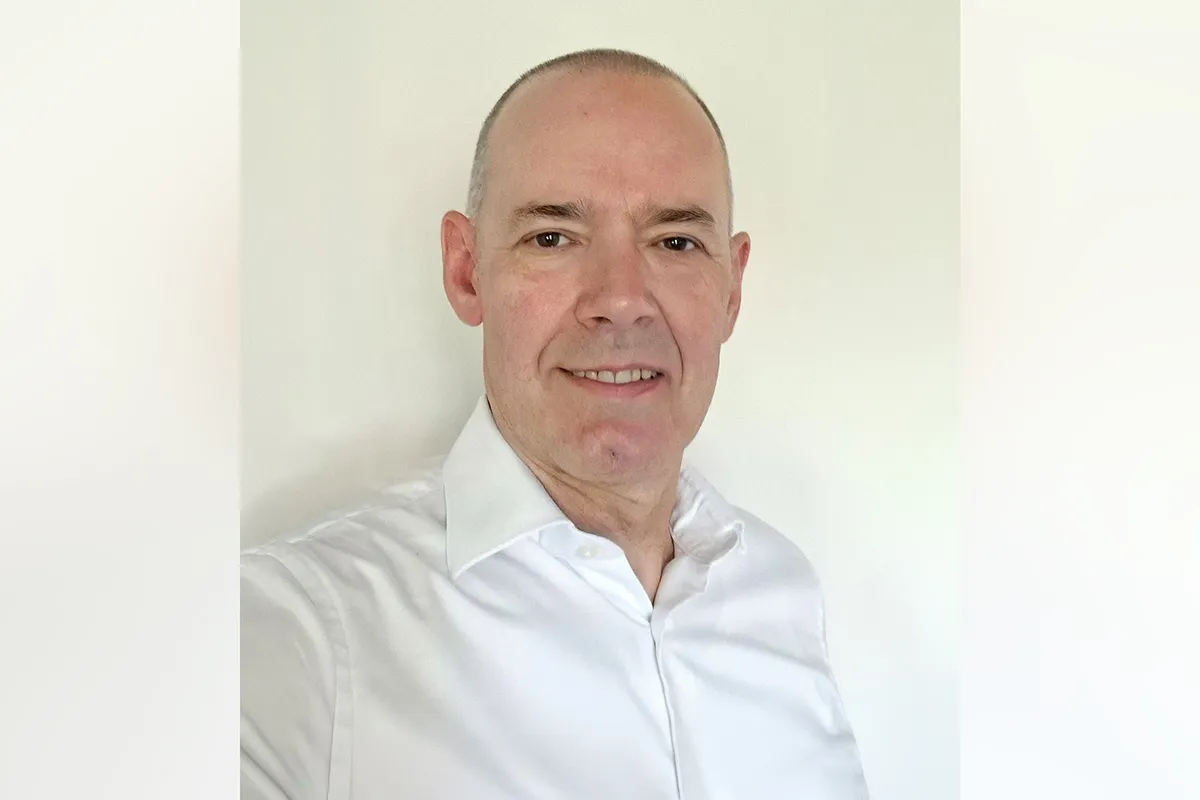
Chris Poulissen, managing director, NP-Bridging
Question about this story? Ask your question
Keep following this
Get an email when a new story is published. No account needed.
- SubjectNews







