The future of technical installation: innovation and versatility
A changing technical sector
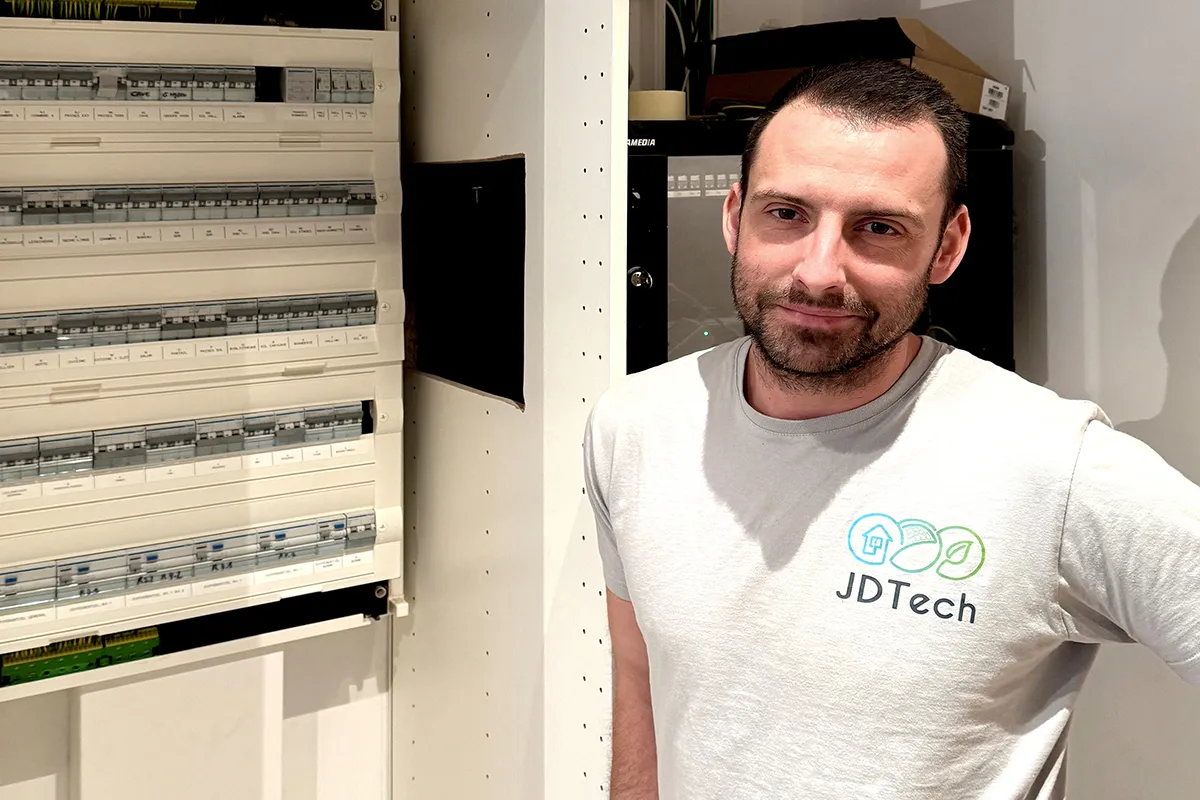
Technical installation is undergoing a profound transformation, driven by innovation and growing demand for a diverse skill set. Jason Delooz, an independent technical installer at JD-Tech and an industry expert with more than 15 years’ experience, discusses major changes in building energy-related trades, particularly photovoltaics, heating systems and energy management.
The growing need for versatility
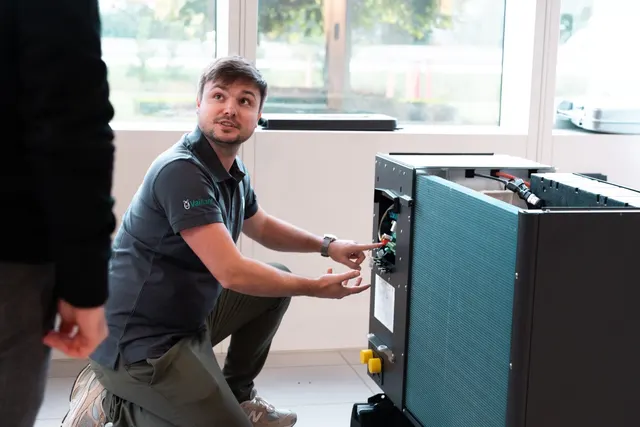
Initially trained as an IT specialist, Jason Delooz has worked across field, management and office roles, taking part in the installation, maintenance and development of energy technologies. Today, technical installers need to master several disciplines at once. “On site, you need not only an electrician, but also a refrigeration engineer and a heating engineer to manage complex systems that require close coordination,” he explains.
This versatility is now essential when working with interconnected systems, where every component, from the electricity meter to the management of heat in domestic hot water, must be configured to work seamlessly and optimise energy performance.
A sector in constant transition
Requirements have changed: installing cables and sockets is no longer enough. The challenge now lies in intelligent energy management and optimising consumption. This transition is accompanied by the growing adoption of “Smart Grid” systems, where energy management is key to reducing costs and improving efficiency. Jason points out: “High-quality installation is essential to ensure that systems communicate effectively with one another.”
To meet this need, today’s technical installers must continue their training so they can offer clients a range of solutions. The ability to provide clients with a versatile service is an undeniable added value. Clients no longer have to rely on the manufacturer’s technician to install, commission and repair their photovoltaic panels or heat pump.
The importance of long-term planning
Today’s clients need to consider their future needs from the installation stage onwards. “It is not enough to install a photovoltaic system without considering the possibility of adding an electric vehicle charging point or a heat pump in the future,” Jason explains. Installers face numerous challenges: the energy transition, integrating new technologies and anticipating future needs.
Challenges, but also opportunities
In the face of these changes, Jason stresses the need for technicians who are trained in new technologies and able to offer comprehensive, tailored solutions. “The future looks promising for electricians trained in these new skills,” he concludes.
Jason Delooz
Independent installer, JD-Tech
Question about this story? Ask your question
Keep following this
Get an email when a new story is published. No account needed.
- ThemeGenerating and managing energy
- SubjectNews