Savings from a solar or thermodynamic water heater have never been higher
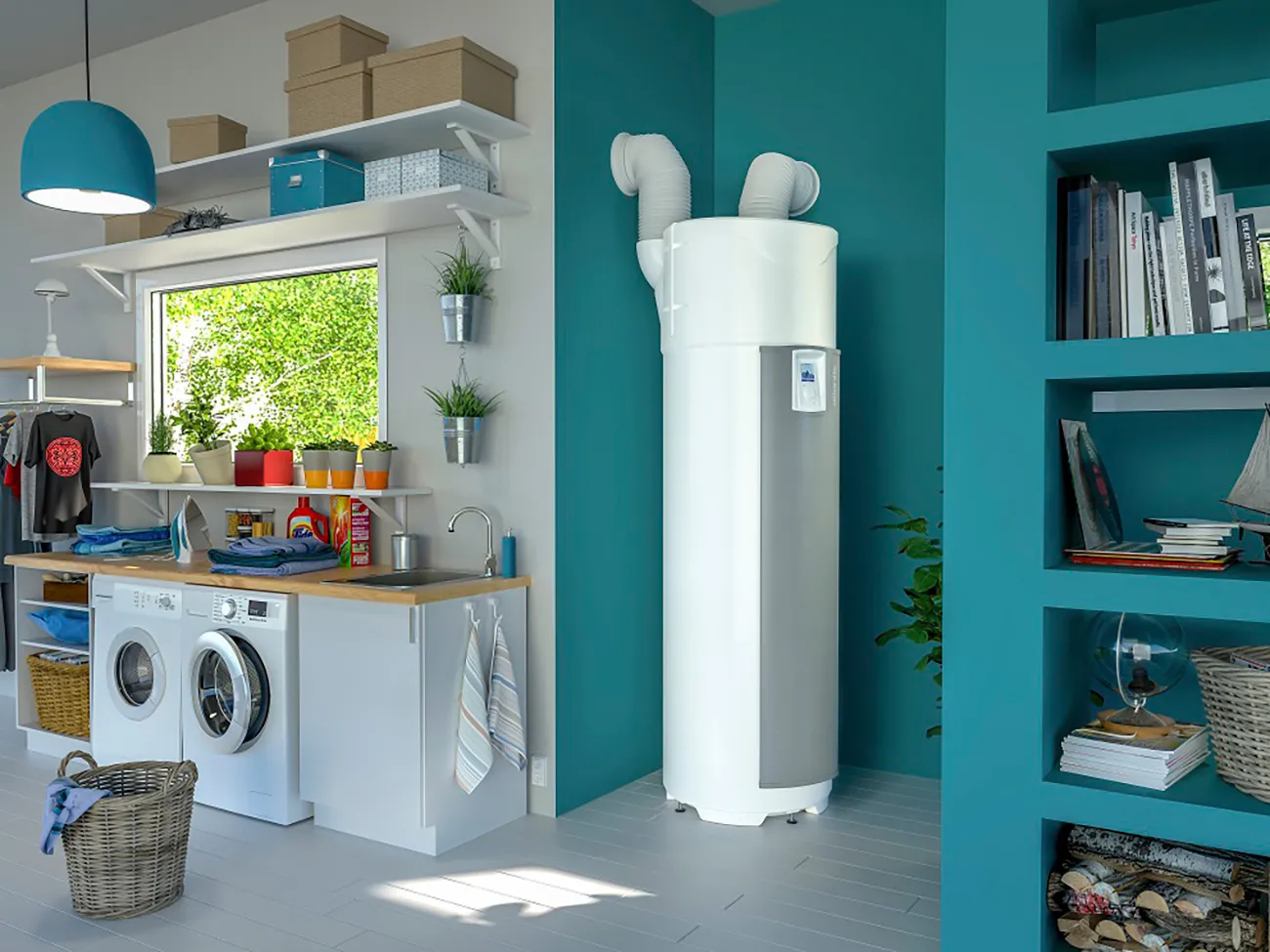
Energy prices have risen dramatically in recent months. Although everyone hopes otherwise for the sake of their wallet, prices are likely to keep rising in 2022. In the long term, we have only one option: radically reduce our consumption. We can do this by saving energy on one of the biggest items in our energy budget: heating our domestic hot water. A thermodynamic water heater uses up to 75% of the energy in the air, while a solar water heater uses up to 60% of the sun’s energy. This allows you to heat your domestic water at a lower cost. If you have an old electric water heater, you can save more than 1,000 euros a year.

Energy prices are soaring. Households are now paying, on average, almost 2,200 euros more than a year ago for gas and electricity on an annual basis. And prices do not look set to fall any time soon. On the contrary, experts expect them to remain high in the years ahead.
In the long term, there is only one solution: reduce our energy consumption. But how? A large part of our energy bill goes on heating: in older homes, an average of 60% is used for space heating, and an average of 15% for heating domestic hot water in the bathroom, for the shower, bath and washbasin, and in the kitchen, for washing dishes or cooking. In new-build homes, the respective figures are around 50% and 30%.
A much smarter choice than a new conventional boiler
Traditionally, domestic hot water in Belgium is produced using an instantaneous water heater or a storage water heater, connected to a boiler or operating independently. The energy sources available for this purpose are electricity, natural gas and heating oil. According to the latest REG survey, no fewer than 15% of people in Flanders heated their bathroom water with a separate electric water heater, while 7% used a separate natural gas water heater. In the kitchen, 21% of respondents produced hot water with an electric water heater and 6% with a separate natural gas water heater. In Wallonia, 28.2% of the population heats its domestic hot water with an electric water heater.
Replacing a faulty or scaled-up, energy-hungry water heater with a new conventional electric or natural gas water heater is anything but sensible. A thermodynamic or solar water heater is a much smarter choice thanks to its excellent efficiency, particularly compared with a conventional electric water heater.
Thermodynamic water heater: save up to 1,235 euros a year on electricity
A thermodynamic water heater has a built-in heating element that switches on when needed, for example if four people take a bath one after another, and an average-sized 200 to 260-litre buffer tank containing a large volume of water at a low temperature (around 45 °C). The energy source used to heat the water is heat extracted from the air. This makes a thermodynamic water heater environmentally friendly, as it emits half as much CO2 as a water heater connected to a gas or oil-fired boiler.
A thermodynamic water heater can meet all domestic hot water requirements. Yet the system uses 3 to 4 times less electricity than a conventional water heater with an electric heating element. If the thermodynamic water heater is connected to photovoltaic panels, savings can be even greater, as it can run on the electricity you generate yourself.
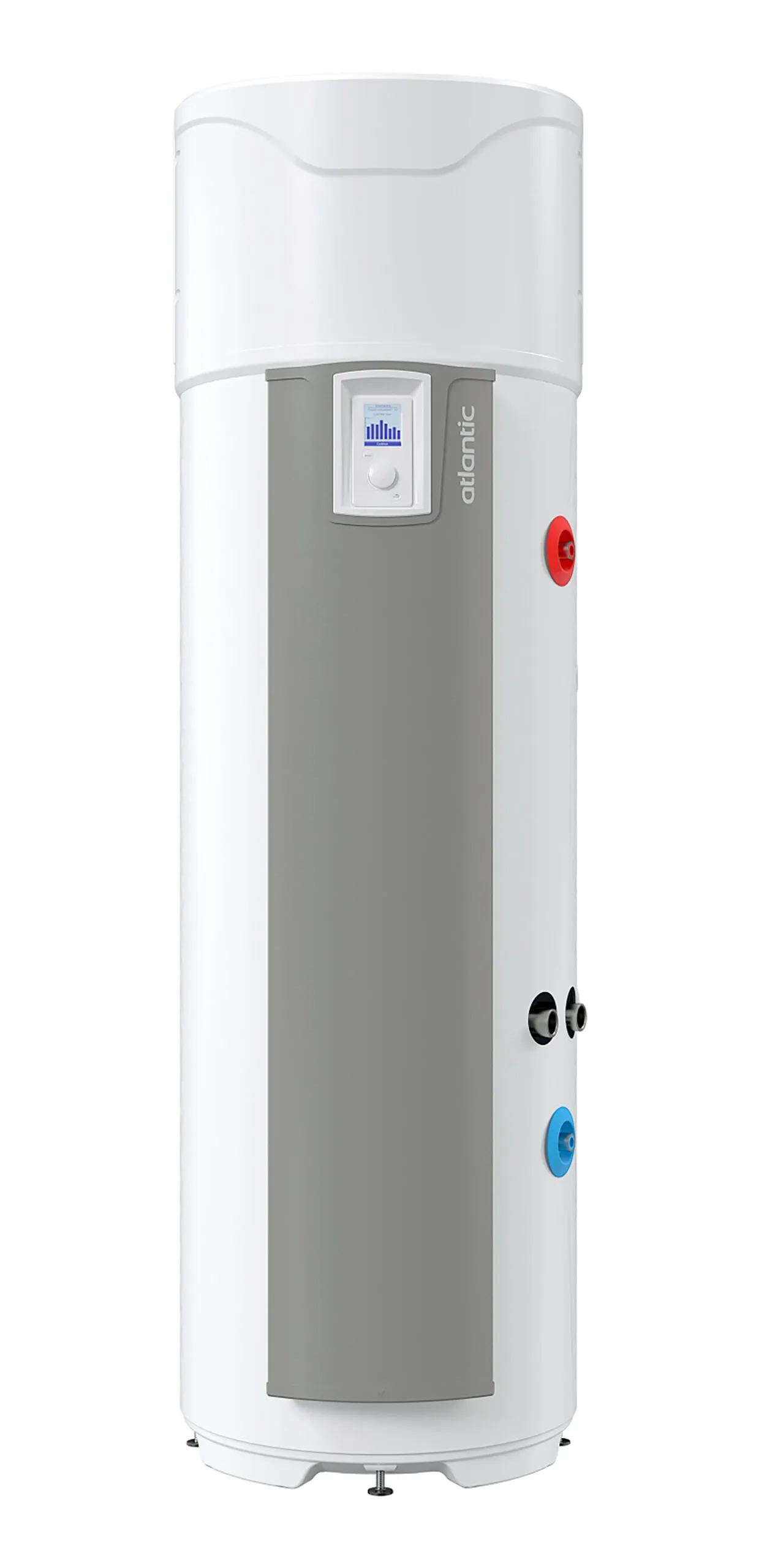
The latest generation of “smart grid ready” thermodynamic water heaters connected to solar panels can also function as a thermal battery. By running the thermodynamic water heater when the solar panels are generating the most electricity and electricity is cheapest, you can store the energy you generate yourself as heat and use that heat at another time. This allows you to avoid consumption peaks and any additional costs.
As a thermodynamic water heater uses up to 75% less energy than a conventional electric water heater, it can heat your domestic hot water at up to one-third of the cost. Depending on the size of your family and your consumption habits, you can save 1,234.06 euros a year.
A conventional 200-litre electric water heater uses an average of 3,577 kWh/year, resulting in an annual energy bill of 1,699.08 euros (calculated at an energy price of 0.475 euros). A 200-litre thermodynamic water heater uses just 894.25 kWh/year. This brings the annual energy cost down to just 424.77 euros. 1
Produce hot water at up to 60% lower cost with a solar water heater
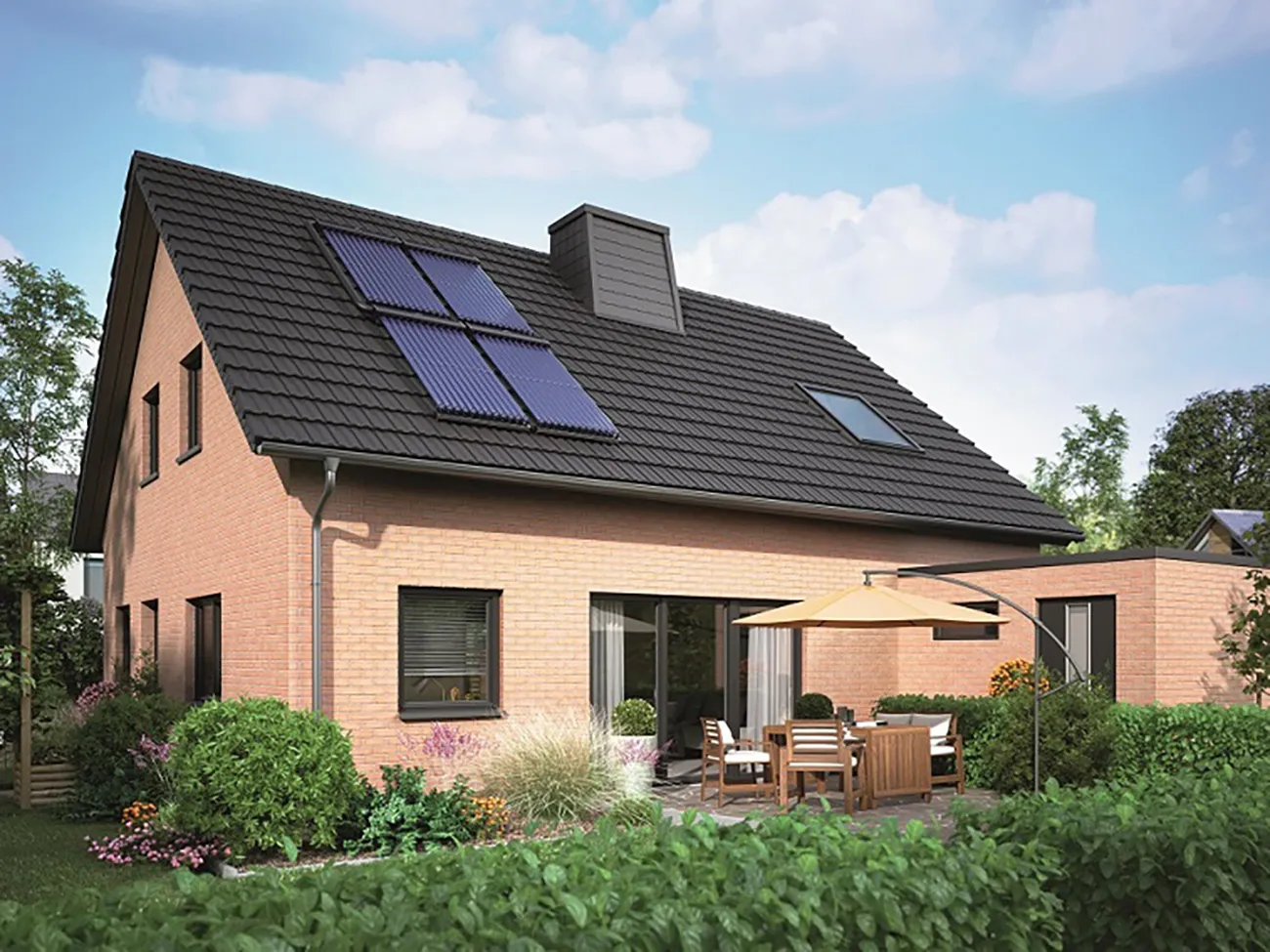
A solar water heater consists of a storage tank containing a spiral heat exchanger connected to solar thermal collectors on the roof. The solar collectors absorb heat from the sun and transfer it to a storage tank, where the domestic water is heated by the heat exchanger.
When the sun is not shining, or is not shining strongly enough, a spiral tube inside the water heater is also connected to your heating system. This means you can always be sure of having enough domestic hot water.
By using the sun’s free energy, a solar water heater can reduce your energy bill for hot water by 40 to 60%.
At current energy prices, an average family of 4 that heats its domestic hot water with heating oil saves 206 euros a year by switching to a thermodynamic water heater. Owners of a gas boiler save 382 euros a year, while families with an electric water heater save no less than 1,210 euros a year. These figures come from the calculator at www.InfoChauffeEauSolaire.be, the information platform for solar water heaters run by the Belsolar association.2
Quick payback on the extra cost compared with an electric water heater
A 200-litre thermodynamic water heater costs around 2,120 euros to buy, with installation averaging 800 euros. The indicative price for a complete solar water heater installation is 6,000 euros, excluding VAT.
If we consider only the extra cost of purchase and installation compared with the cost of buying and installing a conventional electric water heater (around 1,425 euros, including purchase and installation but excluding VAT), the cost of a thermodynamic or solar water heater is quickly recouped through lower running costs.3
Unlike conventional gas, oil or electric water heaters, thermodynamic water heaters qualify for energy grants in all three regions.
For a thermodynamic water heater, the grant is 300 euros in the Flemish Region and at least 500 euros in the Walloon Region, depending on income. In the Brussels-Capital Region, the grant ranges from 1,400 to 1,600 euros per dwelling, depending on the applicant’s income and the property’s location.
Anyone in Flanders who replaces their current boiler or water heater with a solar water heater installation is entitled to a grant of 550 euros/m² of solar collector, up to a maximum of 2,750 euros or 40% of the invoice amount. In Wallonia, the grant is at least 750 euros, depending on income. In the Brussels-Capital Region, the grant for installing a solar water heater ranges from 2,500 to 3,500 euros, depending on the income category and the dwelling’s location, up to a maximum of 50% of the invoice amount.
Manufacturers of thermodynamic water heaters recommend checking their websites regularly. With the promotional prices and cashback offers they run regularly, total grants and benefits can amount to 900 euros, making the switch to a thermodynamic water heater even more worthwhile.
More information?
For more independent, brand-neutral information about thermodynamic water heaters, visit www.InfoPompeaChaleur.be, the information platform run by ATTB (the Association for Thermal Techniques in Belgium) and FRIXIS, the Belgian Royal Association for Refrigeration and Air Treatment, WPAC section (heat pump manufacturers and suppliers).
For more information about solar water heaters, visit www.InfoChauffeEauSolaire.be, the information platform run by the Belgian solar water heater association Belsolar.
Question about this story? Ask your question
Keep following this
Get an email when a new story is published. No account needed.
- SubjectNews