











New ideas in fire safety
Texte Marlies Decavel | Photos Pexels
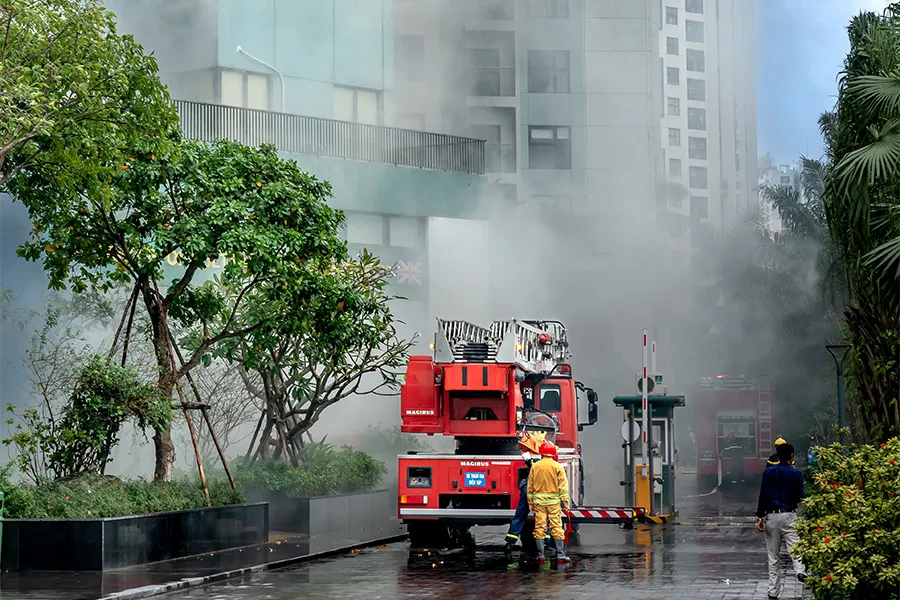
Despite our best efforts, we are not doing enough to get the climate back on track. As well as climate change, innovative technologies such as electric cars and bicycles, photovoltaic façades and timber frames are prompting new ideas and discussion, and call for a different approach to fire protection systems in businesses, institutions and homes. The relevant standards are not new, but the industry is doing its utmost to develop innovative, safe applications. What does the future hold for fire safety? Here are some of the trends.
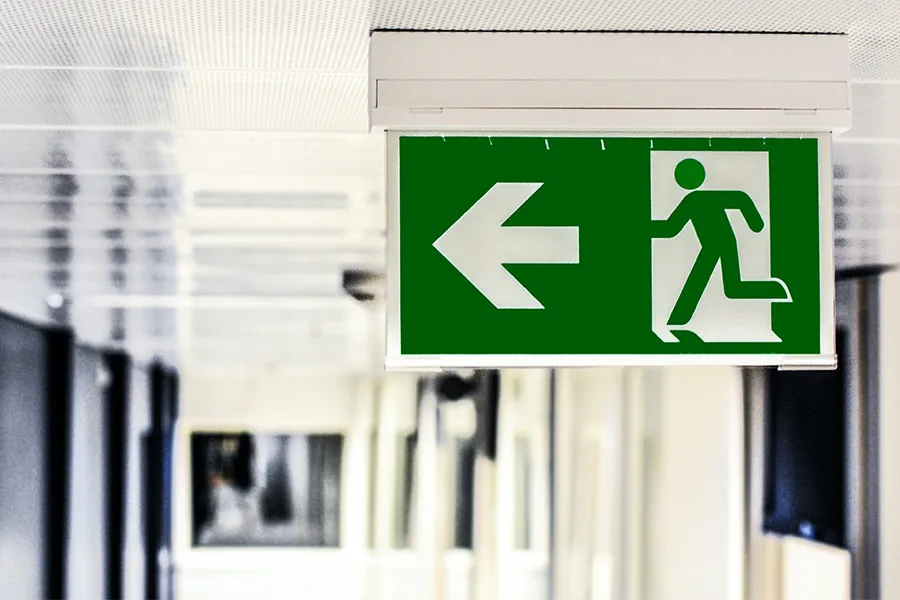
Heatwaves with temperatures above 40°C, extreme weather causing floods and lightning strikes, persistent rain and cold spells, and more: the news last summer left little room for doubt. The effects of global warming are clear to see. High energy prices are also forcing us to be more inventive in heating and cooling our homes. The problem is that creativity does not always go hand in hand with safety, which is why gas explosions, carbon monoxide poisoning and serious fires are all too common. To protect the climate, we are doing everything we can to build and live more sustainably and ecologically, as evidenced by timber frames, photovoltaic façades and electric cars and bicycles. This shift towards greater sustainability is good for the climate, but it also brings new risks. To avoid making matters worse, it is therefore essential to develop suitable, innovative fire protection solutions.
The importance of smoke control
Smoke often claims more lives than the fire itself. That is why controlling smoke in buildings to limit exposure to smoke and heat, and to provide the best possible visibility for evacuating people, is receiving increasing attention. Installing enough fire doors and smoke vents is therefore an obvious choice when carrying out construction or renovation work.
Ventilation ducts also play an important role in fire protection. To prevent fire or smoke from spreading from one compartment to another, the ducts must be fitted with fire dampers. These are often concealed within a fire barrier. Effective fire dampers comply with the international quality standard EN 1366-2.
Improving fire resistance
While smoke extraction is essential, limiting the spread of fire is just as important. Intelligently dividing a space into the necessary compartments and providing compliant active fire protection is one thing. Incorporating fire-resistant building materials is another, and just as important. That is why a wide range of passive fire protection systems is available to help prepare for a potential fire, including fire-resistant coatings, foams and mortars, as well as ceiling panels and boards with the same properties. All help to prevent or slow the spread of fire.
Façade insulation, among other things, plays a very important role in this respect. The fire that devastated Grenfell Tower in London in 2013 is still etched in people’s memories. In this tragic case, the building’s façade cladding did not comply with the regulations, with the disastrous consequences we know. Since 2022, Belgium has had new regulations that address several gaps and clarify areas of uncertainty in fire safety legislation. These regulations are based on the European reaction-to-fire classification. Class F covers the most flammable materials, while classes A1 and A2 cover those that are not. What is more, class A1 materials prevent the spread of flames and the formation of flaming droplets. Their combustion releases no toxic gases and produces almost no smoke. Façade systems are subject to rules at two levels: the façade cladding itself, and the system’s essential components, such as the supporting structure, fixings and insulation. To ensure your façade meets fire safety standards, it must comply at both levels.
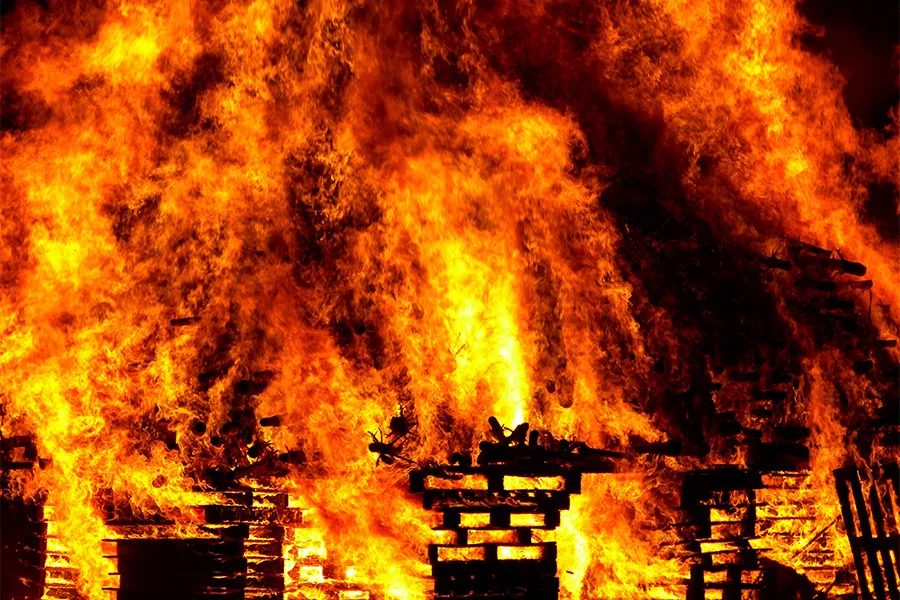
What about the fire resistance of innovative building applications?
More and more people are choosing sustainable building materials and methods such as timber construction, photovoltaic façades and integrated charging systems for bicycles and cars. These innovations bring new risks, but also new ideas and discussion. Photovoltaic façades are now growing rapidly in popularity, and several studies are under way to learn more about how they behave in a fire. These studies show that fires involving photovoltaic panels are mostly caused by electrical faults. They also show that such fires are often difficult to extinguish, as small hotspots remain because of carbon conduction and the panels continue to generate electricity.
Photovoltaic façades are booming, and timber frames are not far behind. Although fire safety is still regularly cited as a reason not to choose timber, it is in fact an excellent choice in this respect, as firefighters and insurers have also confirmed. Wood burns in a highly predictable way. Its fire resistance is a matter of pure physics. In a fire, wood chars evenly at a rate of about one millimetre per minute, enabling designers to predict accurately its fire resistance and the risk of its load-bearing capacity being exceeded. Designers add an extra thickness, which can char in a fire, to the thickness needed to support the anticipated load. This extra dimension means the load-bearing capacity is not compromised in a fire. This knowledge provides a valuable guide for today’s construction industry.
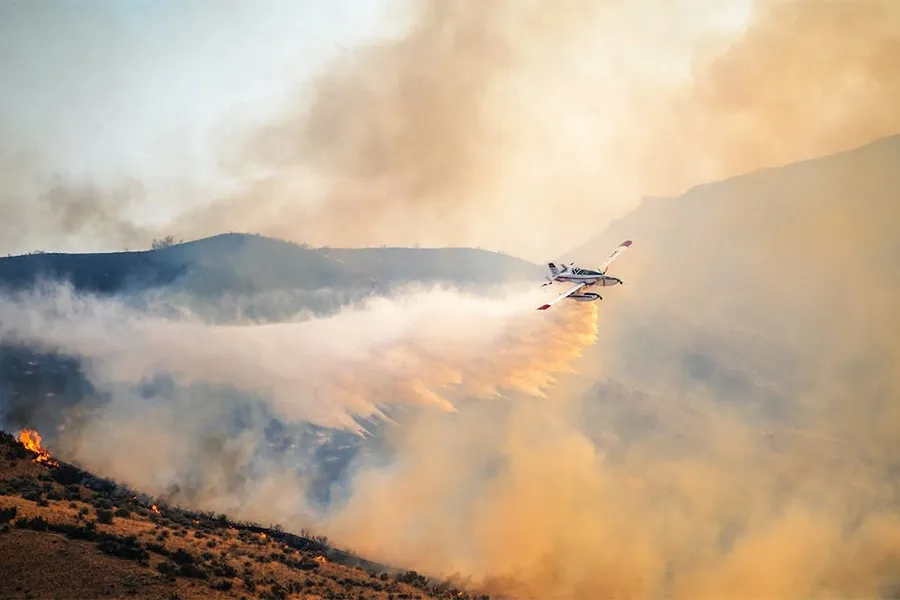
The problem is people
Finally, human behaviour often remains the main problem when it comes to fire safety. Ask residents of high-rise apartment buildings what they think would be the most effective evacuation strategy, or ask homeowners how to manage their electrical cabinets safely in the event of a fault, and you will often find they struggle to answer. However well our buildings are protected, the most important thing is to ensure their occupants are properly trained and prepared in fire safety. The importance of training, prevention and follow-up cannot be overstated. Let us hope installers and fire protection companies learn from this and include this aspect in their service offering. Choosing the right materials, installing effective fire detectors and offering training that is accessible to everyone are all essential to ensuring the best possible fire safety and keeping the number of casualties to a minimum.
Question about this story? Ask your question
Keep following this
Get an email when a new story is published. No account needed.
- ThemeGenerating and managing energy
- SubjectNews







