











Four crucial stages in managing fire safety systems
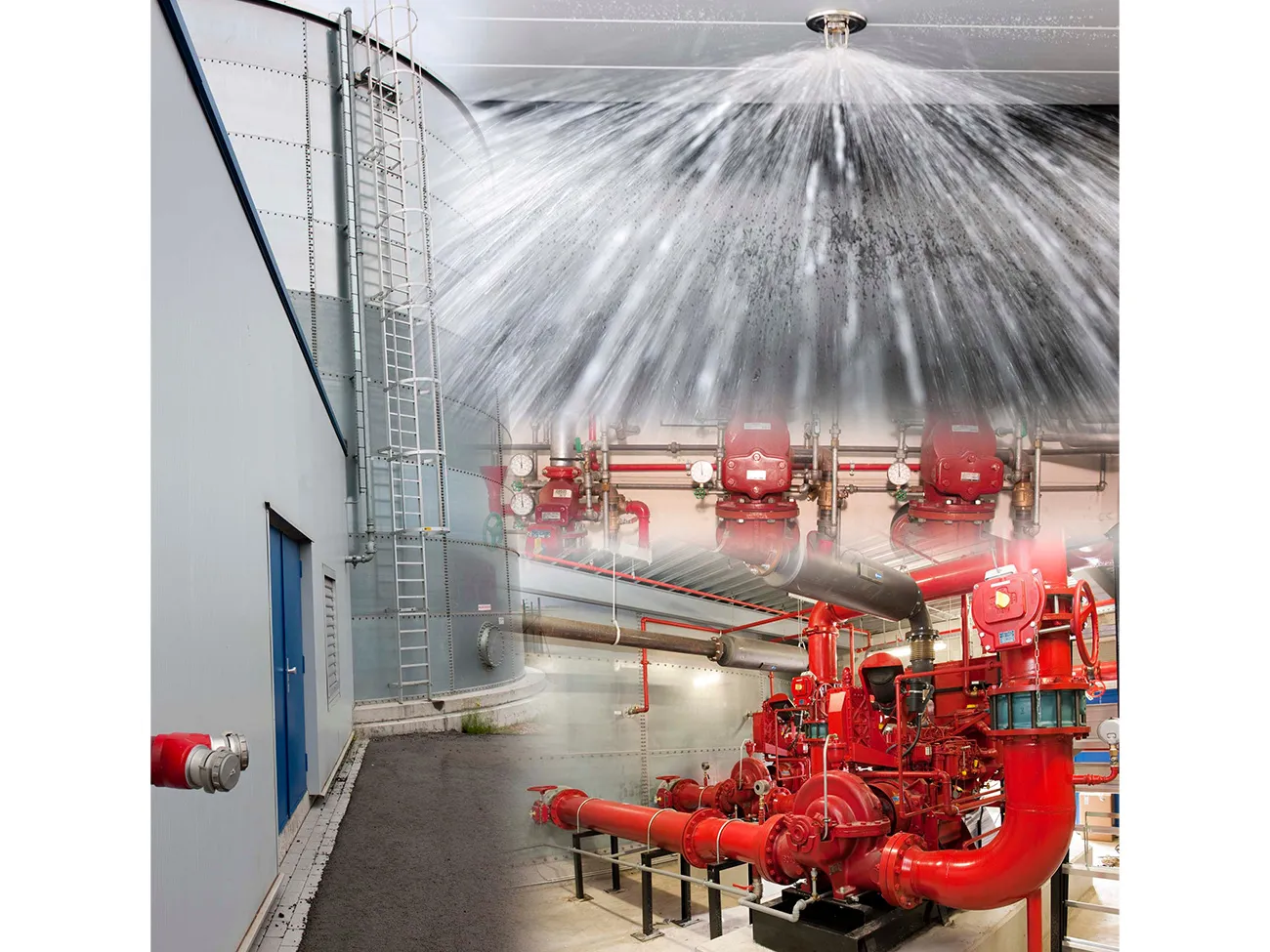
Fire safety systems have become essential in commercial buildings. Yet attention often focuses solely on compliance, with too little consideration given to effective fire protection tailored to the building and the sector. The non-profit association Fireforum stresses the importance of managing these systems properly, from design and installation through to the building’s use. Fire safety expert Bart Vanbever takes us through four stages of good systems management: design, installation, use and any subsequent modifications.
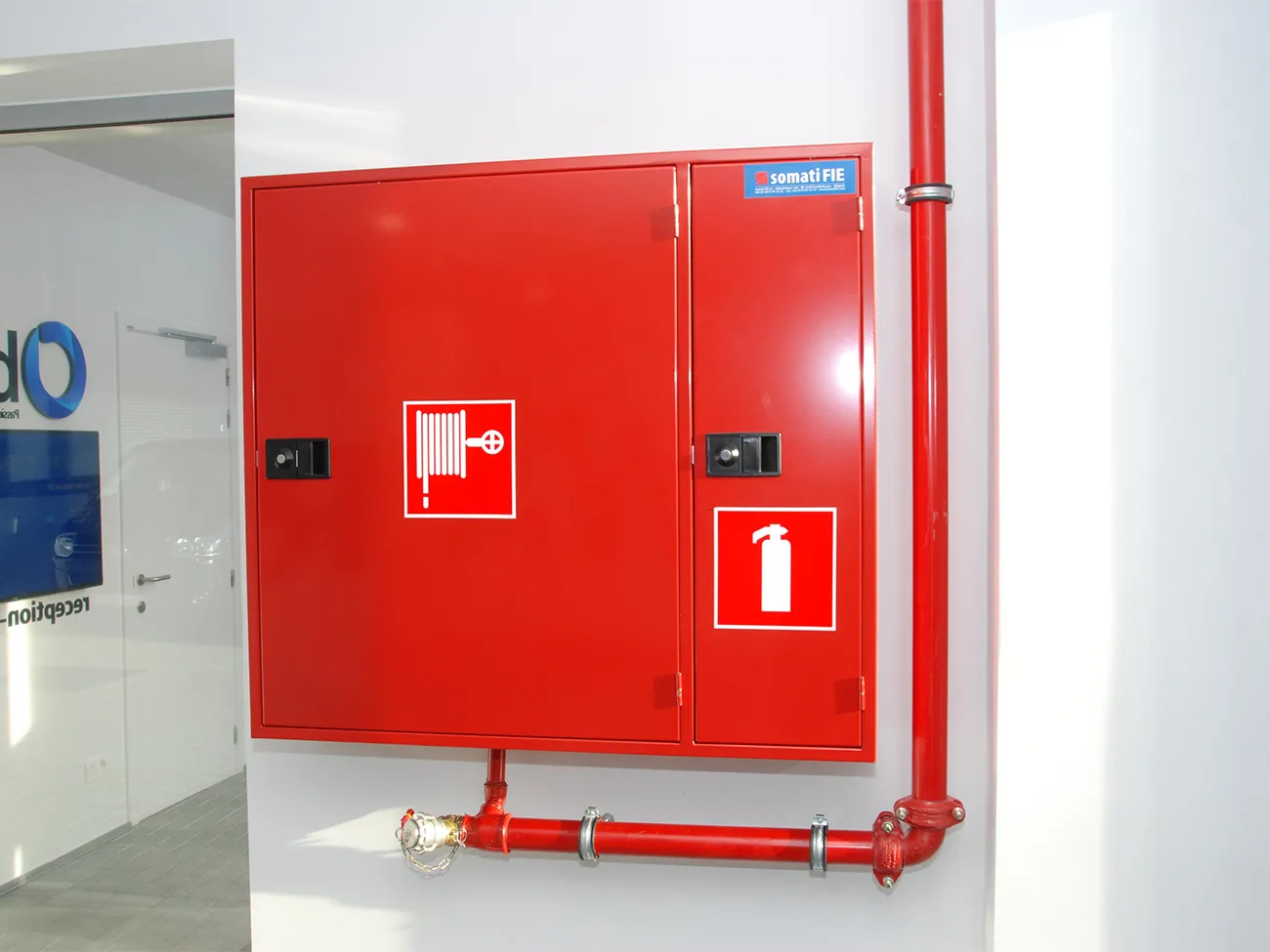
“It is surprising to see how poorly fire safety systems can be managed in companies,” explains Bart Vanbever. “We have seen cases where these systems were simply switched off after a few months. It is vital to manage them properly in order to protect investments, either directly by making proper use of the systems or indirectly by protecting infrastructure, people and business continuity.” An estimated 4% of industrial sites experience a fire each year. This figure naturally includes many minor incidents, but it demonstrates the relevance and importance of reliable, high-quality fire safety.
Identify requirements and implement the right solutions
Once a building is operational, there are many concerns to address. Yet problems often arise much earlier in the process. The more carefully fire protection is considered, and the earlier systems are incorporated into the design, the better the result, both in terms of budget and performance. The first step is to identify the building’s specific requirements. Bart Vanbever: “For a single production site, for example, continuity is a higher priority than it is for a company producing across 10 different sites. Data stored at a single site needs greater protection than data backed up off-site. The design phase therefore focuses mainly on practical questions and scenarios specific to the company. This list of priorities, combined with a fire risk analysis, leads to targeted choices of systems and products.”
Too often, specifications are guided solely by compliance with a particular standard. But that is not enough, as Bart Vanbever points out: “Consider two completely different cars that are both road-legal: one is suited to off-road driving, while the other is better suited to city streets. Their compliance with the Highway Code does not necessarily mean that they are right for your specific needs. The same applies to fire safety.”
A specialist’s perspective and advice
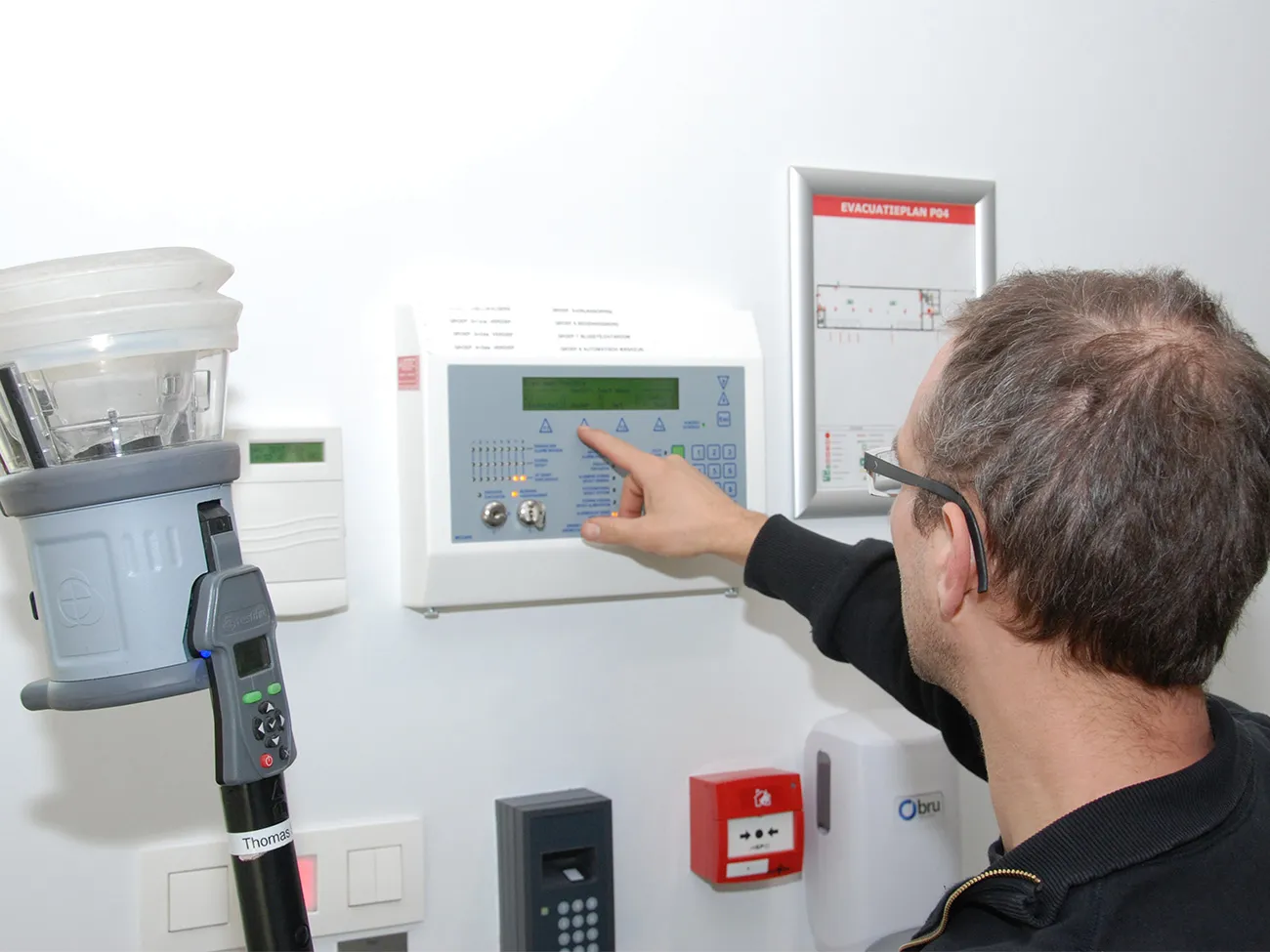
Once the right systems have been selected, they need to be installed and commissioned correctly. It is advisable to call on a specialist to do this. Through FiSQ, Fireforum has its own independent quality certification. A FiSQ-certified professional provides their expertise to ensure that fire protection systems are implemented correctly and smoothly. The growth of the smart building segment and the increasing complexity of the technology are making an expert’s involvement essential. “In a smart building, different systems interact with one another. For example, elements of aspect A trigger an interaction with aspect B. We also need to anticipate this when installing a fire safety system,” explains Bart Vanbever.
“Failing to take these factors sufficiently into account can have serious practical consequences. For example, a compartment is supposed to close automatically when the fire detection system sends a signal, but the fire doors in a different compartment close instead. The fire then spreads to other compartments in the building, despite the fire protection systems. To avoid such errors, it is essential to carry out comprehensive tests of the installation. Having an inspection body assess all the systems together, rather than each subsystem separately, can prevent many problems.”
Fire safety is also a major concern throughout the construction process. Good preparation makes all the difference.
Fire safety during building use
The building has been handed over and inspected, and is ready for use. Is everything in order? “Yes, provided the system is monitored and kept in good working order,” stresses Bart Vanbever. “It is the same with your car. As a car owner, you check the warning lights regularly to make sure there are no problems. And if you do not have it serviced and inspected periodically, you can no longer drive it on public roads. Checking, maintenance and inspection are just as essential for fire safety systems in buildings.” What if a fire breaks out despite all your precautions and careful monitoring? In that case, it can be useful to have a ready-to-use action plan for during and after the fire, including information on evacuation, the allocation of roles, crisis communications and the recovery phase.
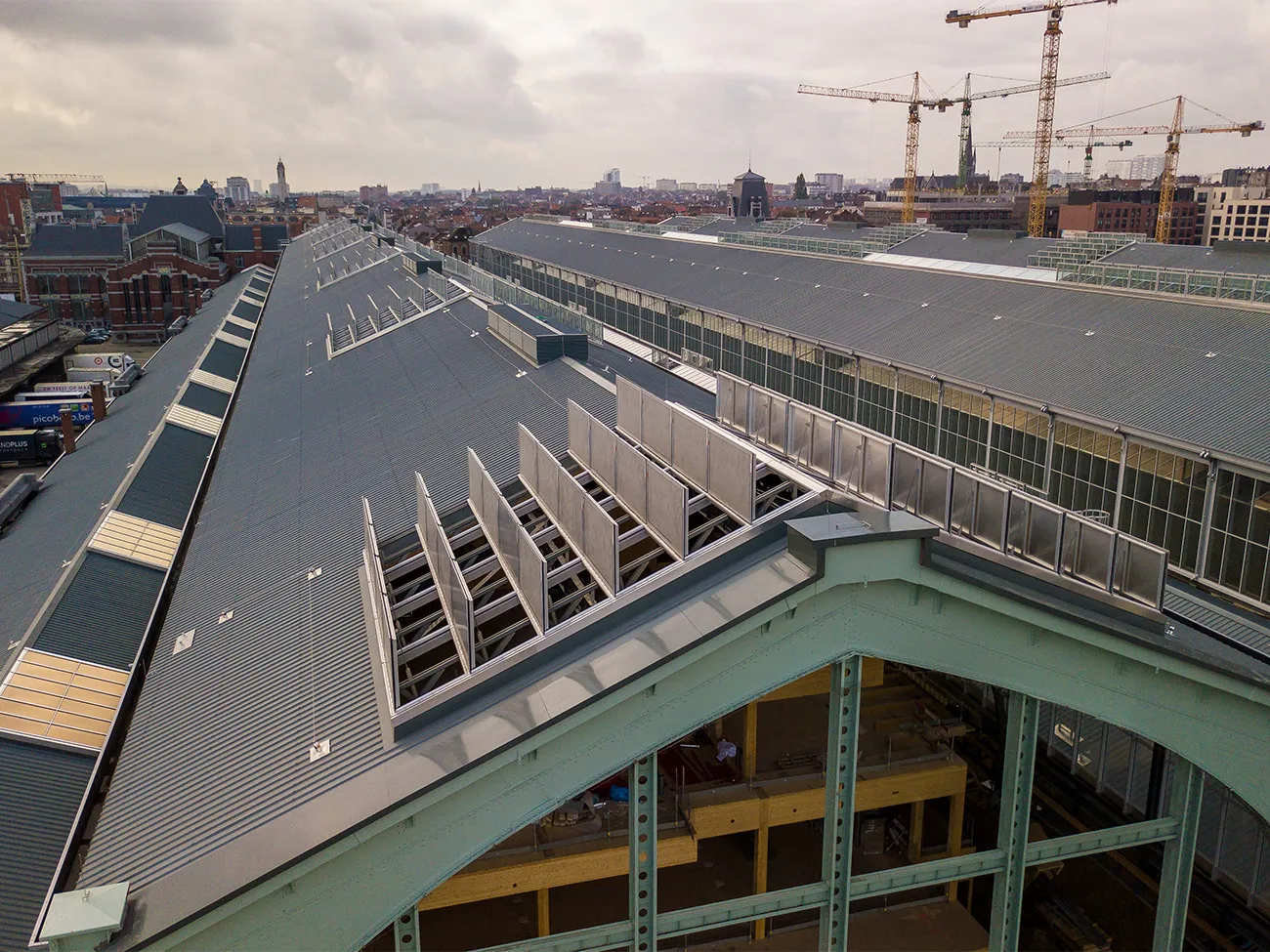
Bart Vanbever has one final piece of advice: review your fire safety systems whenever you make changes to your building, the layout of your spaces, the products you store or the way the building is used. “To continue protecting your building effectively, you may sometimes need to relocate or add detectors, or review your smoke and heat exhaust ventilation (SHEV) systems. There is a good chance you will make changes to your building. Buildings evolve, and their safety systems need to evolve with them. Fireforum is always ready to show you the way through this process.”
The Fireforum congress takes a closer look
The Fireforum 2022 congress will take place on 25 October 2022 and will take a closer look at the proper management of fire safety systems. With scientific studies, specific applications and valuable networking opportunities on the programme, it is an event not to be missed by professionals in the sector. Find all the information and the registration link at fireforum.be.
Question about this story? Ask your question
Keep following this
Get an email when a new story is published. No account needed.
- ThemeFire prevention
- SubjectNews







