A tour of ten stands at VSK+E 2026 reveals how the installation sector is changing
Texte VSK+E | Photos VSK / Daan Jeurens pour VSK
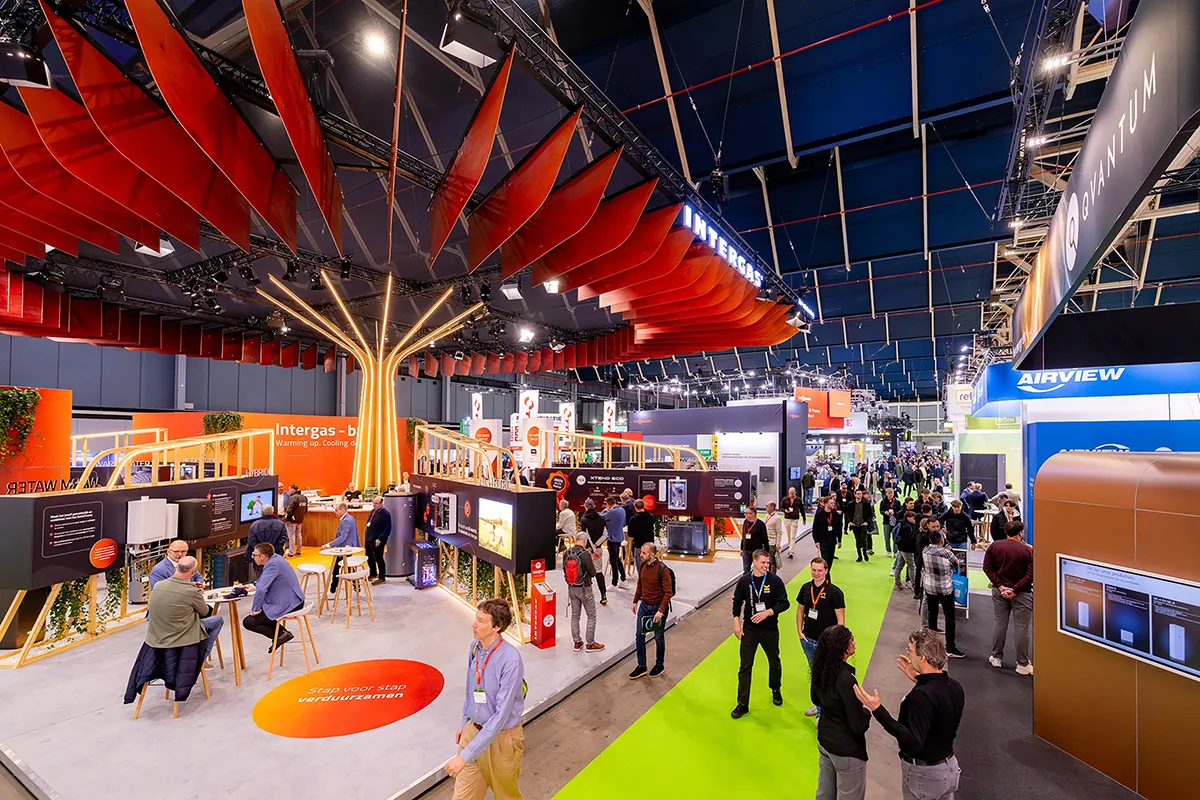
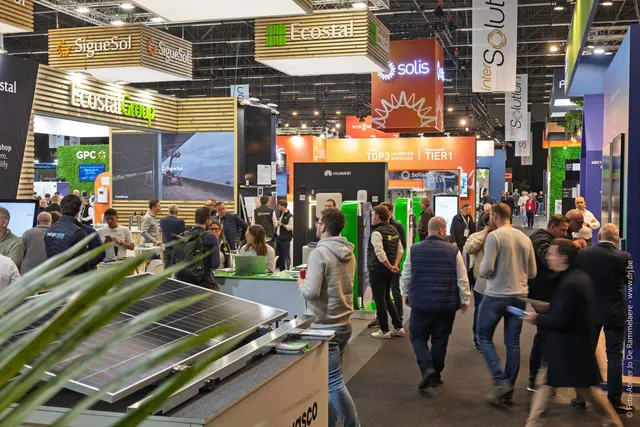
Anyone visiting VSK+E, the biennial trade fair for installation and electrical engineering, held from 3 to 6 February at Jaarbeurs Utrecht, could see that the sector is in the midst of a transition. Not only in technical terms, but also in its overall approach. The traditional boundary between electrical engineering and mechanical engineering continues to blur, data and monitoring are becoming increasingly important, while the installer’s day-to-day work remains the ultimate benchmark.
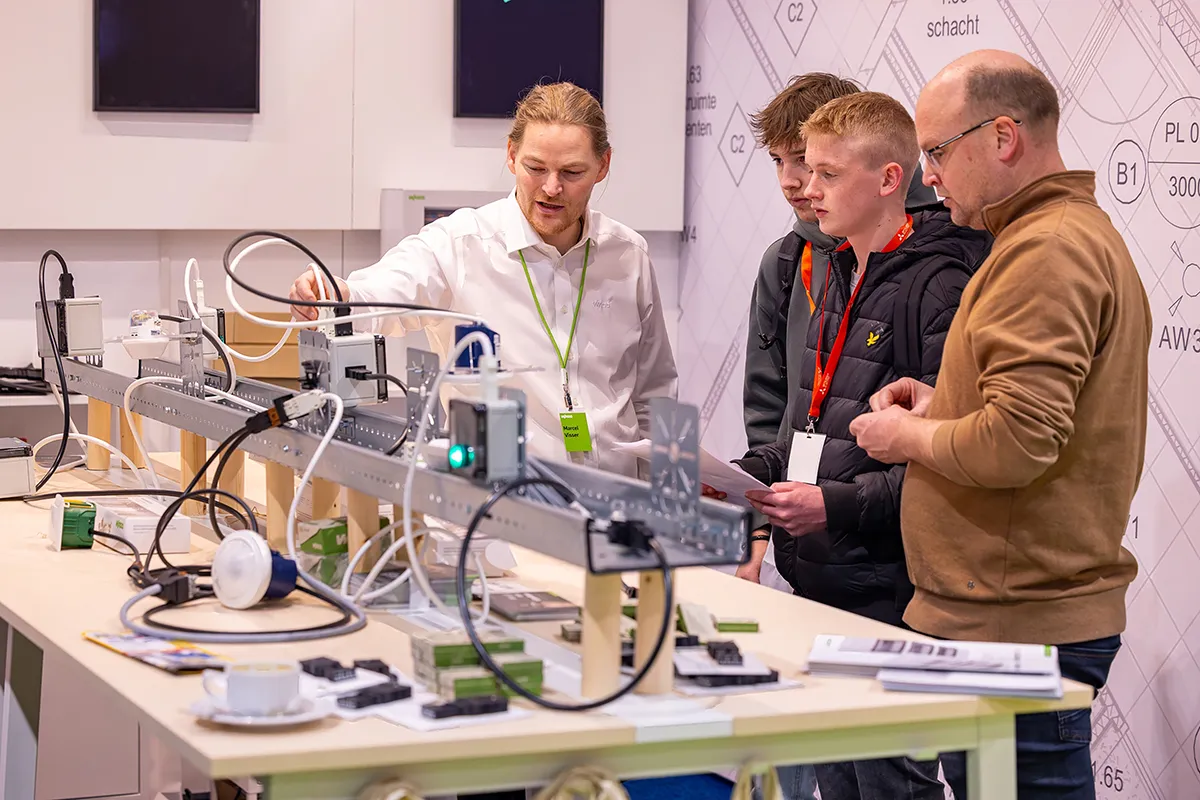
A tour of ten stands, from heat pumps and ventilation systems to building automation, installation materials and commercial sanitaryware, made it clear where the sector stands today and where it is heading. One of the fair’s most prominent themes was integration. Systems no longer operate in isolation; they need to be able to communicate with one another. Wago put this message firmly in the spotlight. Long known primarily for its spring-clamp terminals, the company is now focusing on interoperability and system integration. “Installations rarely consist of a single brand or protocol”, was the message. That is precisely why the ability to exchange data and connect different systems is crucial. Notably, Wago reinforced this positioning by also presenting solutions from other manufacturers. The focus is no longer on individual products, but on how the system works as a whole.
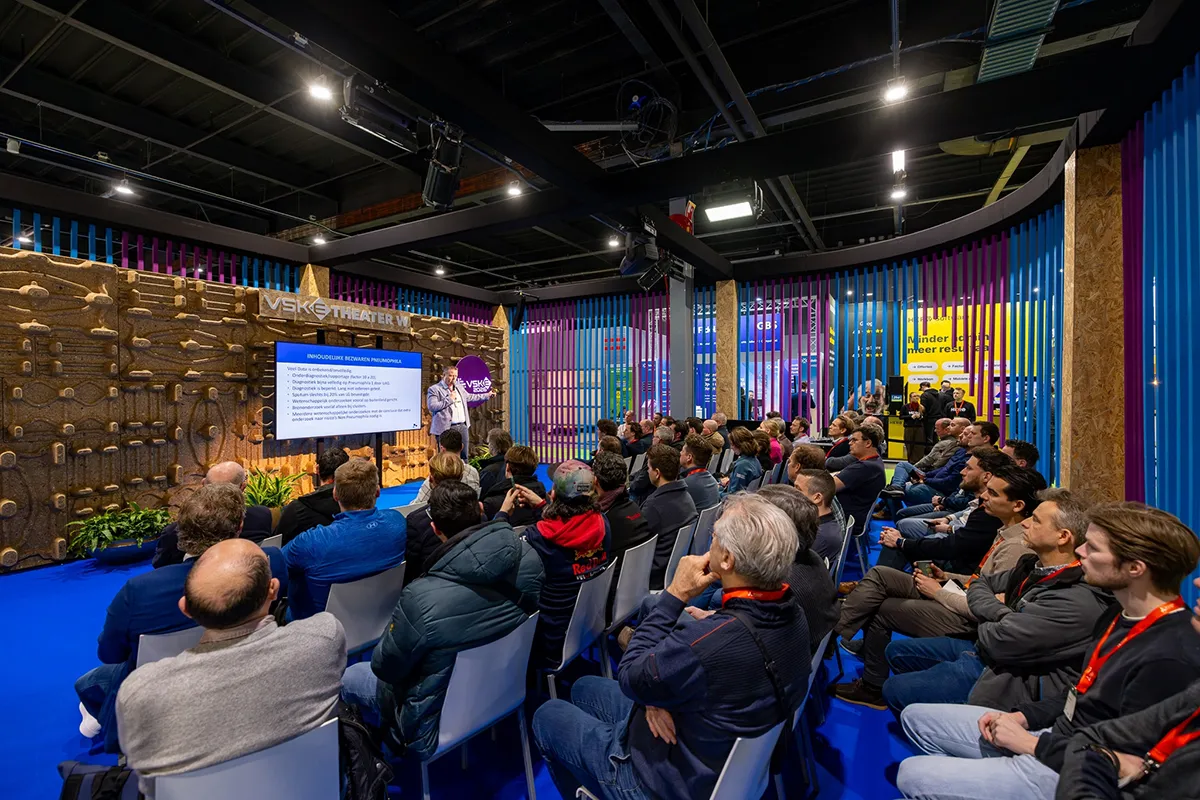
Water quality as a critical factor
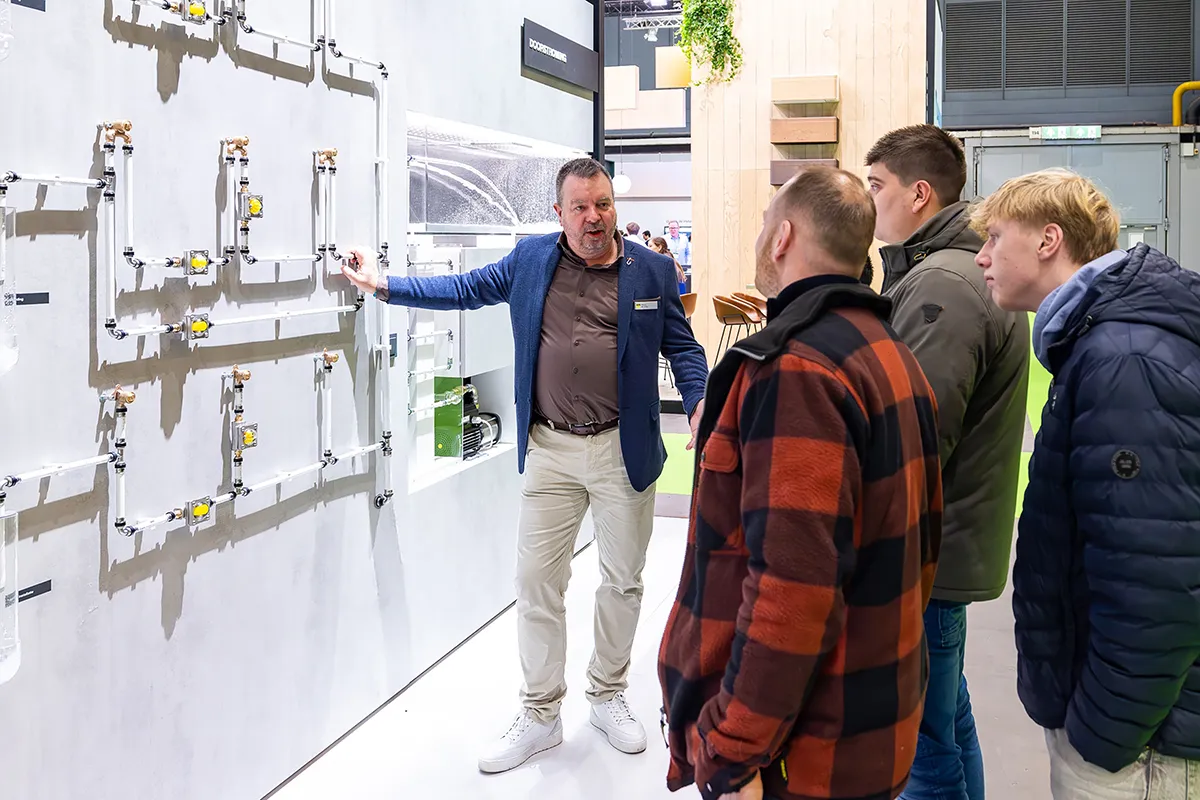
Fernox showed that performance depends not only on the equipment, but also on invisible factors. The rise of (hybrid) heat pumps is making water quality more important than ever. Higher flow rates and more sensitive components increase the impact of contaminants in installations. Fernox demonstrated that water treatment is no longer a secondary consideration, but an essential condition for system efficiency, reliability and service life. The realisation that proper water management prevents faults and ensures performance now seems firmly established in the market.
Refrigerant, data and expertise
Several trends came together at Alklima, distributor of Mitsubishi Electric. The move to natural refrigerant R290 is evident in its portfolio and is directly linked to remote monitoring. Data is playing an increasingly important role in service, maintenance and energy optimisation. At the same time, expertise remains essential. That is why Alklima is investing heavily in training and skills development, including through digital learning environments. New technologies require not only different products, but also new knowledge and skills.
Ventilation: ambition meets reality
Ventilation was firmly in the spotlight at VSK+E, particularly at DUCO. Demand-controlled systems, sensors and intelligent controls are intended to help create a healthy indoor climate with minimal energy consumption. At the same time, DUCO addressed the sometimes complex realities of renovation projects. Limited space, existing buildings and user comfort can make ventilation a real challenge. The solutions on display showed that ambitious goals can only be achieved if they remain practical for installers to implement.
Making indoor climate measurable
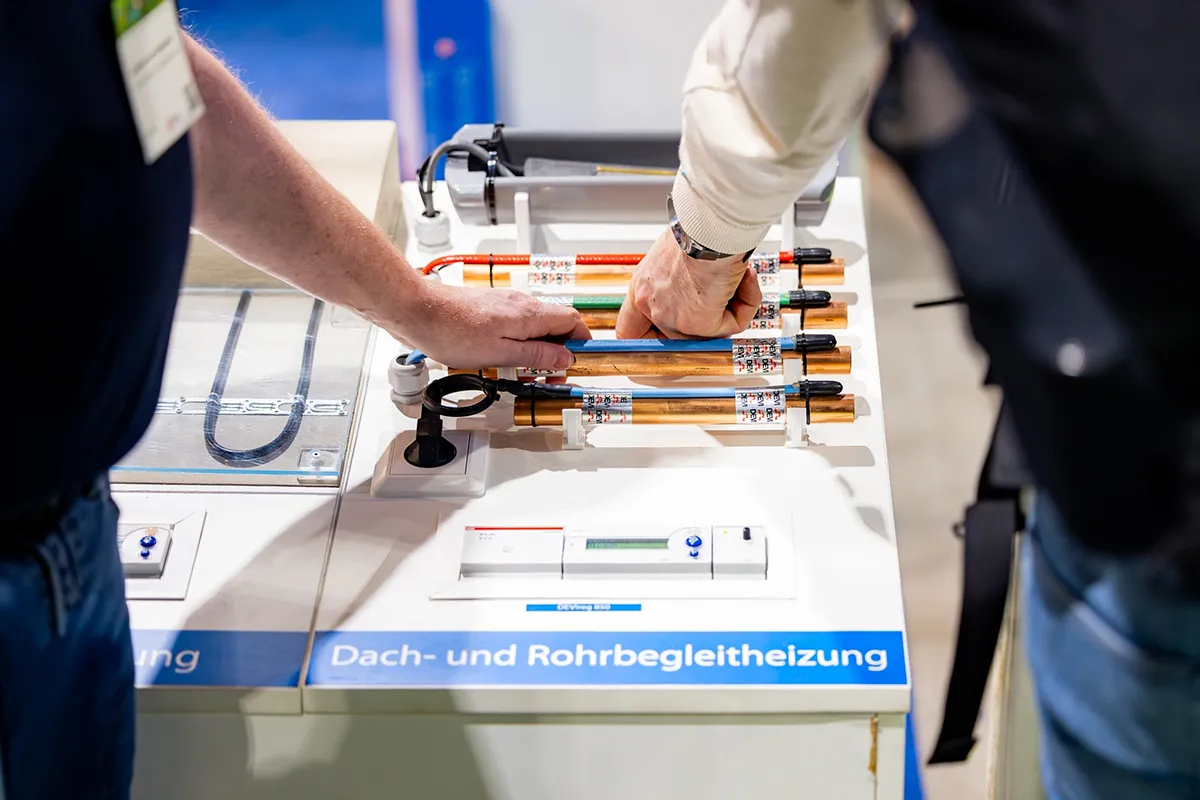
Belimo also focused on measurability. Through its “Future Experience”, the company demonstrates the impact of poor or good indoor air quality, including how CO2 levels are perceived. Indoor climate is no longer an abstract concept, but a measurable, controllable factor that can be objectively improved. The focus is not only on new builds, but also, and above all, on upgrading existing installations without major structural changes.
Practical gains on the roof and in the electrical panel
While some stands focused primarily on a systems-based approach, Linum Europe concentrated on immediate, practical gains. The company presented tools and accessories for installing air conditioning units and heat pumps. These solutions may seem modest on paper, but on the roof or in the electrical panel they can save time, prevent frustration and reduce the costs associated with errors. In day-to-day work, this kind of “ancillary product” often makes a decisive difference to both work quality and job satisfaction.
Noise, airtightness and installation safety
Klemko also put practical considerations at the heart of its offering. With solutions for air distribution, ductwork and noise attenuation, the company is clearly targeting comfort and installation reliability, particularly in renovation and commercial projects. Noise is emerging as an increasingly important concern. This matters not only to end users, but also to installers, who are increasingly held responsible for the final result.
A holistic approach to heating and ventilation
WOLF showed how heating, ventilation and controls are increasingly treated as a coherent whole. The focus is no longer on a heat pump or a standalone unit, but on an overall concept. The company is part of a broader trend seen at the fair: demand for integrated solutions that are easier to set up and manage.
Sustainability is about more than energy
Amid the energy transition and electrification, DELABIE reminded visitors that sustainability also encompasses water, hygiene and management. In commercial and semi-public buildings, reliability, vandal resistance and water efficiency are at least as important as energy performance. This illustrates how much broader the concept of sustainability has become in the installation sector.
Decentralised solutions for education and healthcare
Finally, Klimaatgroep Holland presented decentralised climate systems using water as an energy carrier, particularly for schools, offices and healthcare facilities. By enabling room-by-room control and monitoring, these solutions meet the growing need for flexibility, comfort and control, especially in existing buildings.
Three clear trends
Looking across these ten stands, three clear trends emerge. First, the focus is shifting from individual products to integrated systems combining electrical and mechanical engineering.
Second, performance is becoming increasingly measurable, whether in terms of water quality, indoor climate or energy consumption. Third, the installer’s day-to-day work remains central: ease of installation, acoustics, training and suitability for renovation all determine whether innovations are actually adopted.
Question about this story? Ask your question
Companies in this story
Keep following this
Get an email when a new story is published. No account needed.
- ThemeSafe and adaptable electrical installations
- SubjectEvents
- CompanyFernox
- CompanyDelabie