Energy efficiency at its finest
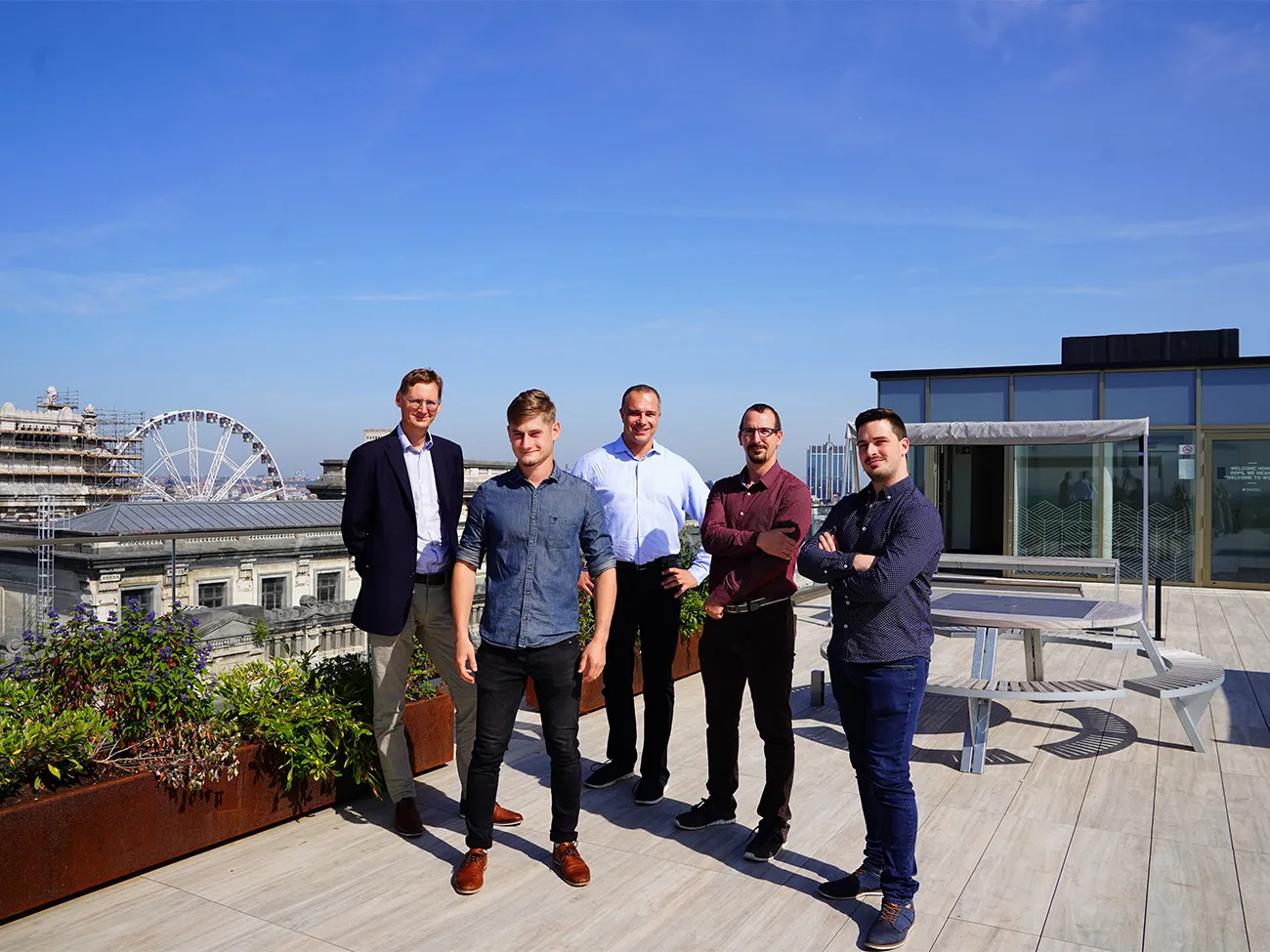
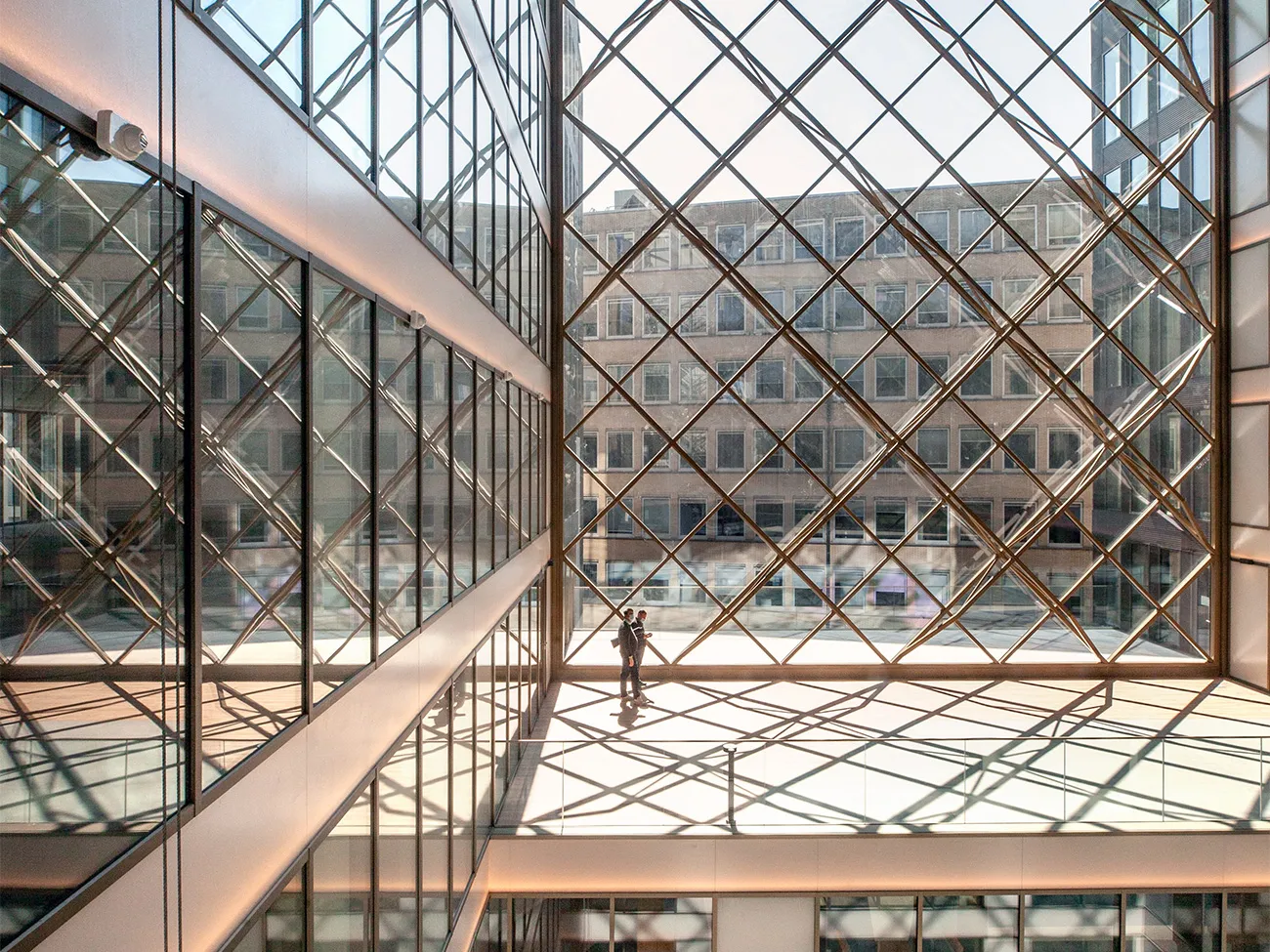
A new architectural gem has recently emerged in the shadow of the Brussels Palace of Justice. While the TWEED building catches the eye with its attractive façade and elegant interior, its sustainable performance is even more impressive. The building is aiming for a BREEAM Excellent rating. At the heart of this sustainability promise is Beckhoff’s TwinCAT building automation system. VMA’s various subsidiaries worked closely together to deliver the specialist building services.
Smart building automation as the starting point for a BREEAM Excellent rating
Building Research Establishment Environmental Assessment Method. BREEAM is used in the design of sustainable buildings with minimal environmental impact. The requirements for achieving an Excellent rating are as impressive as the name itself. They set the course for the construction of the TWEED office building, a new gem in the Place Poelaert district. Dimitri Beguin, Construction Manager for the delegated client Macan Development (Immobilière de la Laine is a partnership between Macan Development and AGRE): “The building originally belonged to Vivaqua, the Brussels intermunicipal water company. When it went up for sale, we thought it would be a great opportunity to convert it into flats. However, while we were waiting for our permit, neighbouring buildings were granted permission to create new flats. We then changed our plans and submitted a new application for an office building that would meet the highest standards. With an occupancy rate of 90% today, the project has been a success.”
A multi-technical partner and smooth site coordination
To meet the requirements for a BREEAM Excellent rating, Immobilière de la Laine opted for chilled ceilings and a smart building automation solution. VMA was responsible for implementing both the building services and the associated automation. “VMA consists of several companies and entities grouped into a cluster,” explains BU Manager Pascal Kinoo. “This allows us to bring together and share our knowledge and expertise, enabling us to act as a multi-technical partner for clients on construction and industrial projects. The client has a single point of contact to manage all the building services and oversee them on site. This, together with our open approach, was decisive on the TWEED project.” Given its specialisation in HVAC and automation, VMA-DRUART led the project for VMA. Eric Durenne, project manager: “Optimising the production of hot and chilled water is a good starting point when you want to automate a building, particularly on a BREEAM project where energy efficiency is paramount.”
Beckhoff communicates with the building’s various systems
For Eric Durenne, Beckhoff’s hardware was ideally suited to the task, given the size of the building, with 16,000 m² of office space, and the need to integrate multiple communication protocols. “Standardising bus systems in a building is not straightforward. Lighting (DALI), switches (EIB/KNX), valves (Modbus RS485), meters (MBus) … they all speak their own language. Thanks to Beckhoff hardware running the TwinCAT3 platform, we do not need to install separate gateways, as the manufacturer offers a wide range of communication cards. This openness is a real asset, allowing all the technologies to be integrated into a single platform. The software foundation also makes it easier to make subsequent adjustments to the floor layouts.” VMA-DRUART has experienced these benefits first-hand. “It is a great example of the knowledge-sharing we strive to achieve at VMA,” adds Pascal Kinoo. “A shared library has been developed within the company to make automation with TwinCAT easier. Getting everyone familiar with the same technology also brings benefits during maintenance work.”
Automation by half-floor
The TWEED building has ten floors. VMA-DRUART opted to install a Beckhoff CX9020 embedded PC on each floor to manage automation locally, with all units connected to the central CX5130 PLC. “This ensures that each floor operates independently. If a problem occurs, only the floor concerned will be affected. The rest of the building will remain unaffected. This system has an advantage over a single automation system for the entire building, where a fault could bring all the floors to a halt,” explains Martin Julien, the VMA-DRUART software engineer involved in the project. “But above all, we had to deliver on time. Automation only takes place at the end of a construction project. If other work is completed later than planned, it is up to us to ensure that deadlines are still met, despite a tight schedule. With this architecture, we were able to automate the building floor by floor. This allowed several programmers to work simultaneously and shortened the commissioning phase.” The advantages of Beckhoff technology were also clear here. “All the data collected by the PLCs in the field, at floor level or in the production plant, is made available to the visualisation system using the OPC UA protocol. This open industrial protocol offers greater security than conventional BACnet,” says Martin Julien. “All this data is processed by our shared library, enabling us to implement our ‘VManager’ building management system quickly and efficiently.”
Planning ahead on site
Planning ahead was another key to the success of this automation project. VMA-DRUART had prepared everything in meticulous detail at its base. “When we integrate new products, we make sure we know them inside out before going to site,” says Martin Julien. “We have drawn up procedures and checklists, so our team leaders can quickly check on site that the equipment has been installed correctly.” But it must also be possible to plan ahead on site. Sullyvan Catoir, VMA-DRUART programmer: “For example, the valves for the chilled ceilings can be configured via the VManager graphical interface. All communications must be tested before the ceilings are closed up. This avoids problems arising at the last minute. Also, although the original project consisted mainly of open-plan spaces, the system is designed to make it easy to add partitions and create individual offices. Everything is very straightforward with Beckhoff technology: integrating new systems simply involves adding K-Bus cards to the existing installation.”
A smart building that adapts to its users
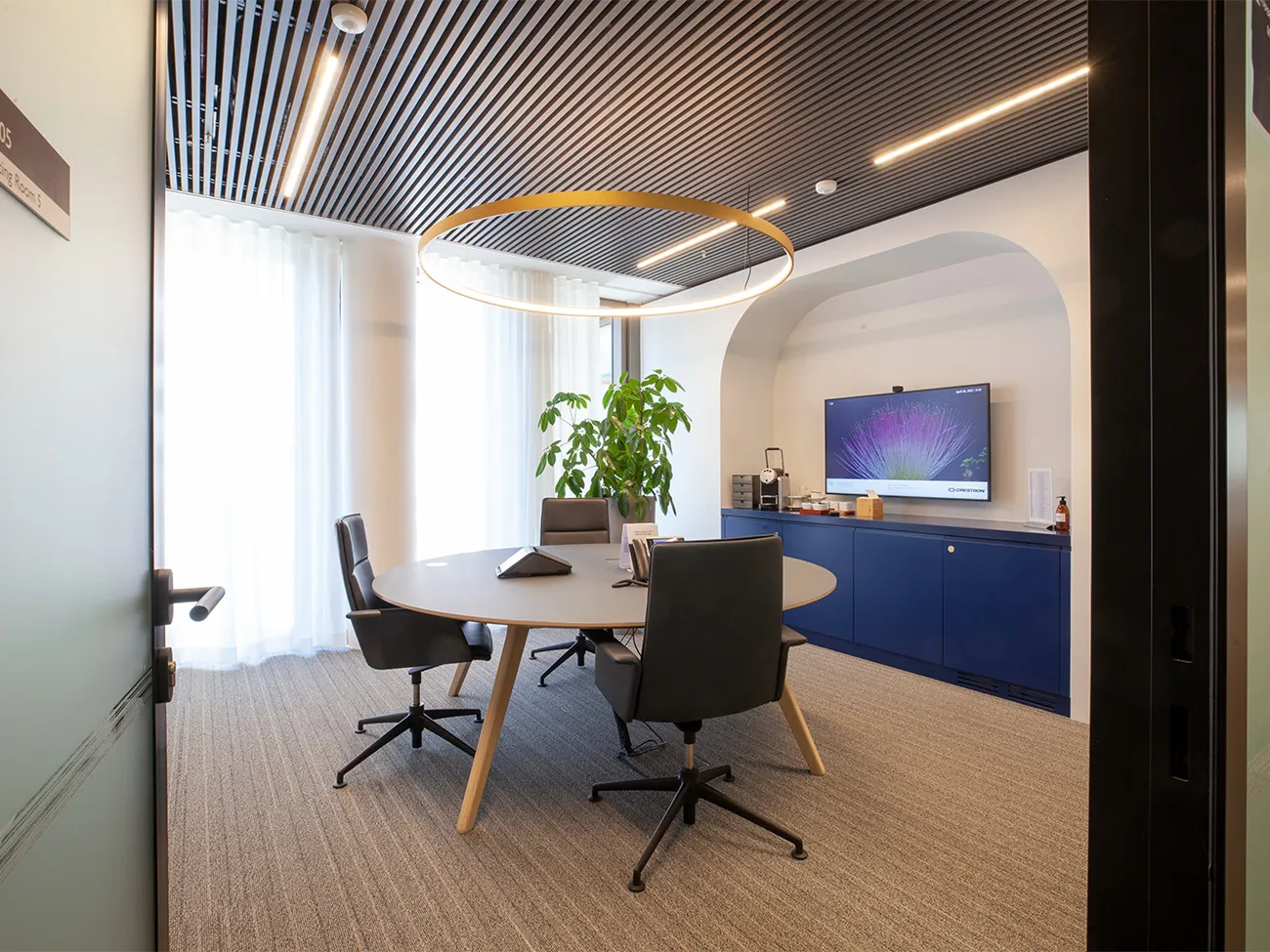
The management system is programmed to achieve the optimal balance in each space between energy-efficient operation and user comfort. “Even if all the settings are perfect at handover, adjustments will be made throughout the building’s life. Occupants sometimes want a slightly higher temperature, brighter lighting … The service we offer allows us to respond to these requests and provide personalised comfort. With Beckhoff’s TwinCAT technology, combined with our ViMAt Connect service, everything can be adjusted remotely. VMA’s BeMaintenance team, which will be responsible for maintenance, is trained to work with Beckhoff’s system, identify problems and optimise maintenance work. Ultimately, we adapt to the building’s needs. Software development for future connected buildings will become increasingly important,” concludes Eric Durenne.
Question about this story? Ask your question
Keep following this
Get an email when a new story is published. No account needed.
- ThemeSmart and open buildings
- SubjectNews