Designing the invisible to inspire wonder
Texte Philippe Selke | Photos Arno Louwagie
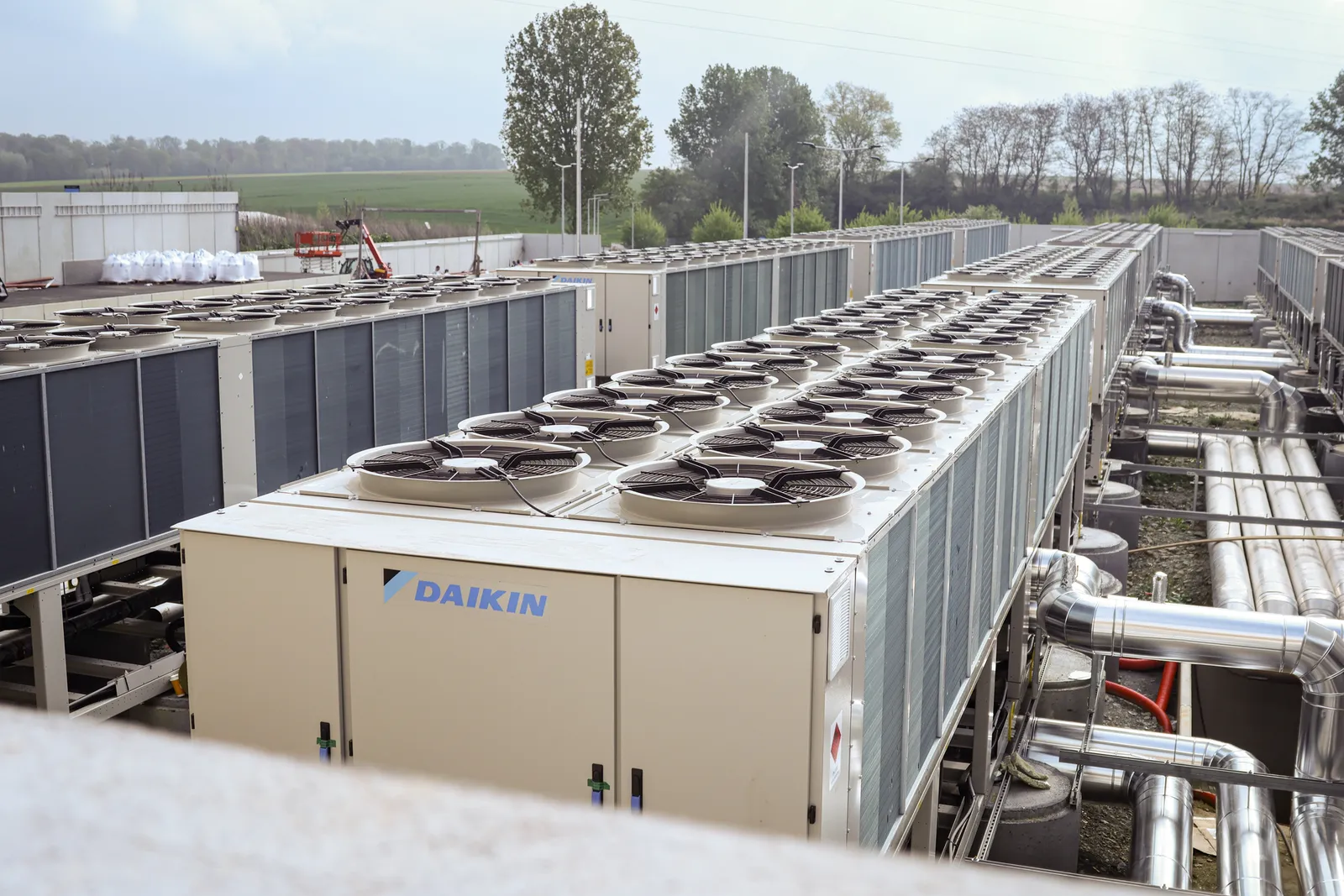
Since 2018, TPF Engineering has contributed to a Masterplan for the development of Pairi Daiza, including upgrades to the site’s energy and water networks, a new entrance, accommodation, technical advice on the 40 MWp photovoltaic carport, … culminating in Edenya, the world’s largest tropical greenhouse, covering 4 ha. The internationally renowned Belgian engineering consultancy designed the structural and building services elements of this one-of-a-kind project.
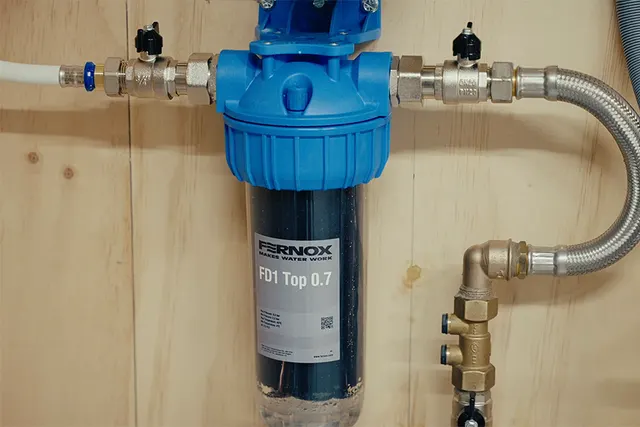
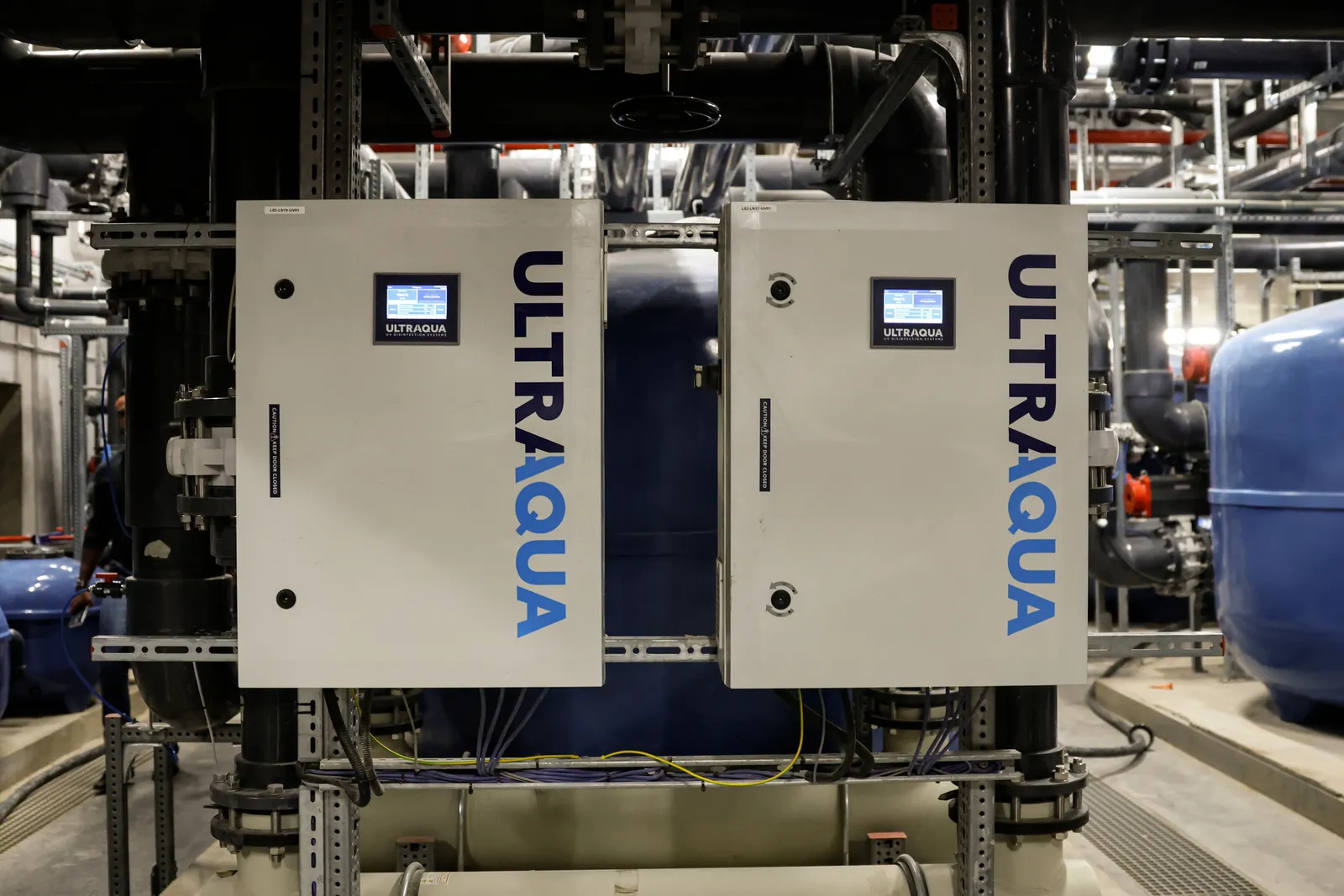
Around 20 plant rooms, 14 water filtration systems, 1400 m3 of rainwater storage, 55 km of pipework, 15 000 m2 of ventilation ductwork, 880 000 m3 of air recycled and purified by 39 air handling units, and numerous heat pumps of different types and capacities, … these key figures alone demonstrate the scale of the task.
But the challenges tackled by TPF Engineering and its installation partners went beyond sheer quantities. Serge D’hayer, engineer and project manager at TPF Engineering: « This project was a leap into the unknown from both a technical and an economic perspective, given the lack of benchmarks. It evolved considerably from the first pencil stroke onwards, requiring an unprecedented ability to adapt. »
A comprehensive strategy
In addition to the cost of building the greenhouse, its size and the volume of its pools had an impact on operating costs: large plant rooms housing the technical installations, systems designed to manage energy consumption sustainably (air conditioning, ventilation, filtration, …), and a geothermal project still under way, … To give just one example, a water-to-water heat pump can simultaneously provide heating for the greenhouse and cooling for the hotel and restaurant. To ensure the planned performance levels and optimal monitoring of the various installations, the building was fitted with a comprehensive building management system and more than 150 energy meters.
Animals and people
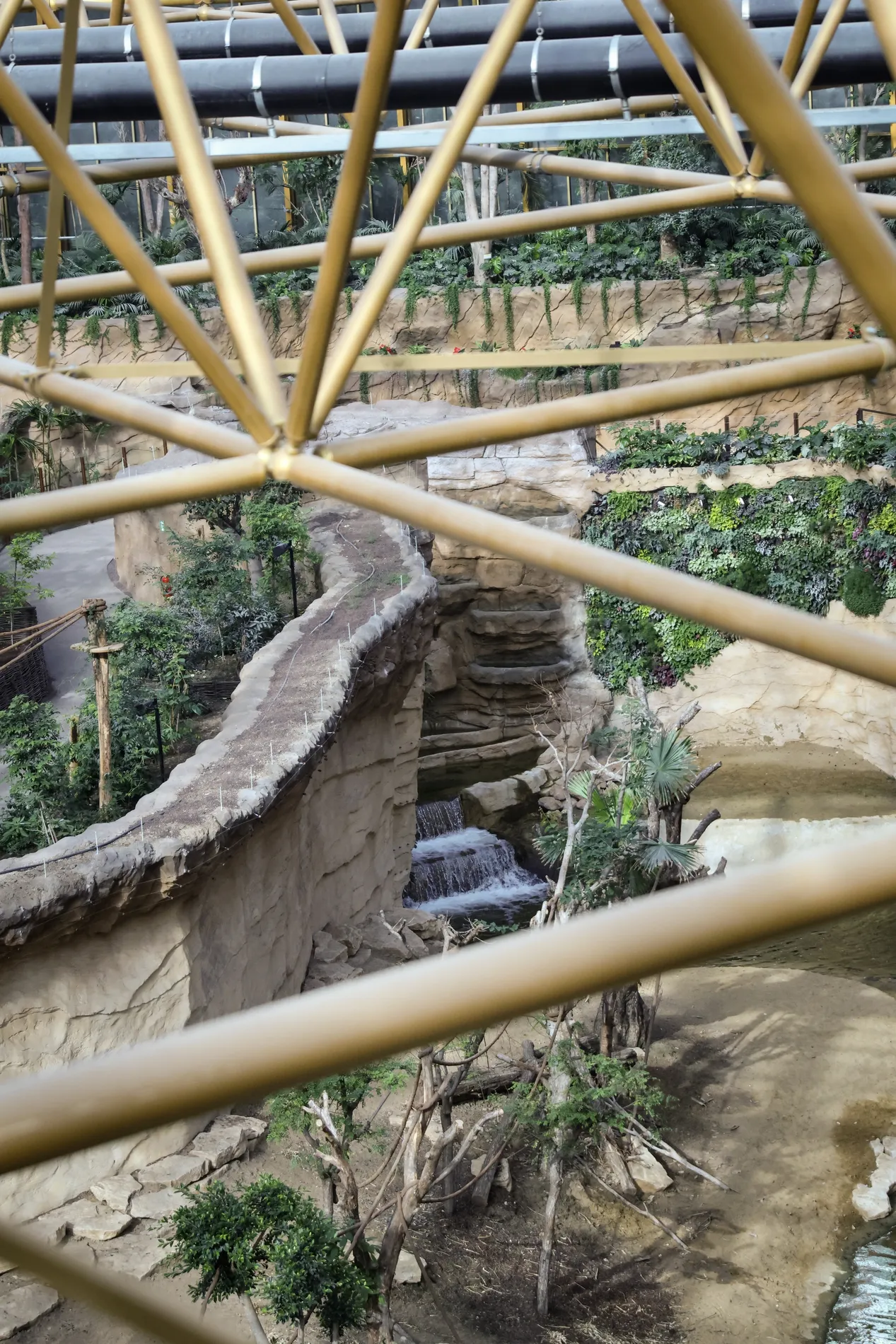
The next challenge for TPF Engineering was to adapt to the 6 biotopes represented in the greenhouse, each a project within the project. Indoor and outdoor habitats for the animals, hotel rooms and restaurants for visitors: everything is designed for the comfort of both. Specific lighting scenarios, appropriate sound levels, fire protection systems, … nothing is superfluous, and everything had to be designed with nature’s untameable character in mind. Serge D’hayer: « The park combines the characteristics and regulatory constraints (fire safety) of a zoo, a hospitality venue and a leisure park. »
A world apart
Serge D’hayer concludes by reflecting on the unique experience he had during 8 years of work for Pairi Daiza: « In a project like this, nothing works as we are used to. We were constantly operating off the beaten track. Craftsmanship sat alongside industry, the imaginary alongside the tangible. Chaotic by nature, nature imposed its own rules, constantly changing the scenery and, as a result, the way the project was managed. From the main MV switchboard to the room automation scenario that dims the lighting so guests can enjoy the view without disturbing the animals, to give just one example from my area of expertise, our remit was particularly broad. We always made sure to put technology in the service of beauty, carefully concealing it from visitors. I can therefore confidently say that TPF Engineering adapted perfectly to the atmosphere of the place. »
Around 20 plant rooms, 14 water filtration systems, 1400 m3 of rainwater storage, 55 km of pipework, 15 000 m2 of ventilation ductwork, 880 000 m3 of air recycled and purified by 39 air handling units, and numerous heat pumps of different types and capacities, … these key figures alone demonstrate the scale of the task. But the challenges tackled by TPF Engineering and its installation partners went beyond sheer quantities. Serge D’hayer, engineer and project manager at TPF Engineering: « This project was a leap into the unknown from both a technical and an economic perspective, given the lack of benchmarks. It evolved considerably from the first pencil stroke onwards, requiring an unprecedented ability to adapt. »
A comprehensive strategy
In addition to the cost of building the greenhouse, its size and the volume of its pools had an impact on operating costs: large plant rooms housing the technical installations, systems designed to manage energy consumption sustainably (air conditioning, ventilation, filtration, …), and a geothermal project still under way, … To give just one example, a water-to-water heat pump can simultaneously provide heating for the greenhouse and cooling for the hotel and restaurant. To ensure the planned performance levels and optimal monitoring of the various installations, the building was fitted with a comprehensive building management system and more than 150 energy meters.
Animals and people
The next challenge for TPF Engineering was to adapt to the 6 biotopes represented in the greenhouse, each a project within the project. Indoor and outdoor habitats for the animals, hotel rooms and restaurants for visitors: everything is designed for the comfort of both. Specific lighting scenarios, appropriate sound levels, fire protection systems, … nothing is superfluous, and everything had to be designed with nature’s untameable character in mind. Serge D’hayer: « The park combines the characteristics and regulatory constraints (fire safety) of a zoo, a hospitality venue and a leisure park. »
A world apart
Serge D’hayer concludes by reflecting on the unique experience he had during 8 years of work for Pairi Daiza: « In a project like this, nothing works as we are used to. We were constantly operating off the beaten track. Craftsmanship sat alongside industry, the imaginary alongside the tangible. Chaotic by nature, nature imposed its own rules, constantly changing the scenery and, as a result, the way the project was managed. From the main MV switchboard to the room automation scenario that dims the lighting so guests can enjoy the view without disturbing the animals, to give just one example from my area of expertise, our remit was particularly broad. We always made sure to put technology in the service of beauty, carefully concealing it from visitors. I can therefore confidently say that TPF Engineering adapted perfectly to the atmosphere of the place. »
Question about this story? Ask your question
Keep following this
Get an email when a new story is published. No account needed.
- SubjectNews