











1 in 2 Belgians avoid using the toilet when away from home

Toilet anxiety often begins at school and can last a lifetime
Geberit, Europe’s leading provider of sanitary solutions, has brought an uncomfortable truth to light with a major survey conducted by iVOX among 2,000 Belgians: half of Belgians find it difficult to have a bowel movement away from home. For a large proportion of our fellow citizens (61%), this has a significant impact on their social lives. Toilet-related anxiety is therefore no trivial matter. Gastroenterologists Prof. Dr. Danny De Looze (UZ Gent) and Dr. Magali Surmont (UZ Brussel) comment on the findings. With this data, Geberit aims to help improve sanitary facilities in schools and public spaces.
51% of Belgians say they find it difficult to have a bowel movement anywhere other than at home. Public toilets in town centres (75%) and on public transport (73%) are a problem for more than 7 in 10 Belgians. (Semi-)public toilets in shopping centres (65%) and petrol stations (67%) are also viewed negatively. 52% find it difficult in cafés, 45% at friends’ homes and 36% at relatives’ homes. Even at work, almost 2 in 5 Belgians (39%) feel uncomfortable.
The figures do not surprise medical experts, but they underline the importance of the findings. Prof. Dr. Danny De Looze (UZ Gent): “This is an interesting and relevant study, as it covers a large sample of 2,000 people. We of course have data on our patients, but this survey reflects the behaviour of the general population. The significant impact on social lives is striking and merits further study.”
31% of Belgians only go to the toilet when they really have no other choice. Just 32% respond immediately to nature’s call. And that is the only right approach, insists Dr. De Looze: “This does not cause serious diseases, but holding it in can lead to constipation, abdominal pain and bloating. The rectum works more slowly, and stools harden and build up. This means having to strain more, aggravating haemorrhoids and fissures.”
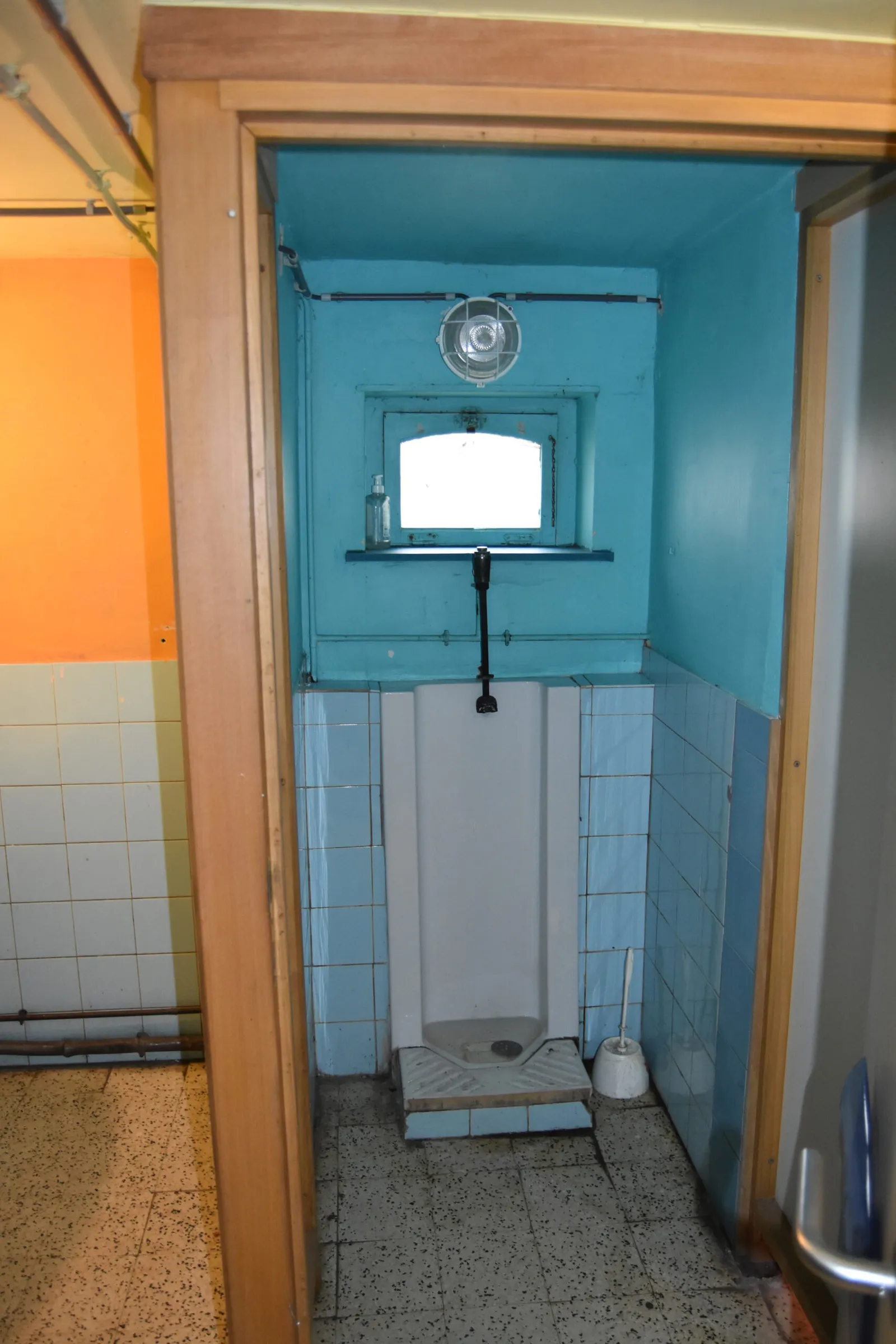
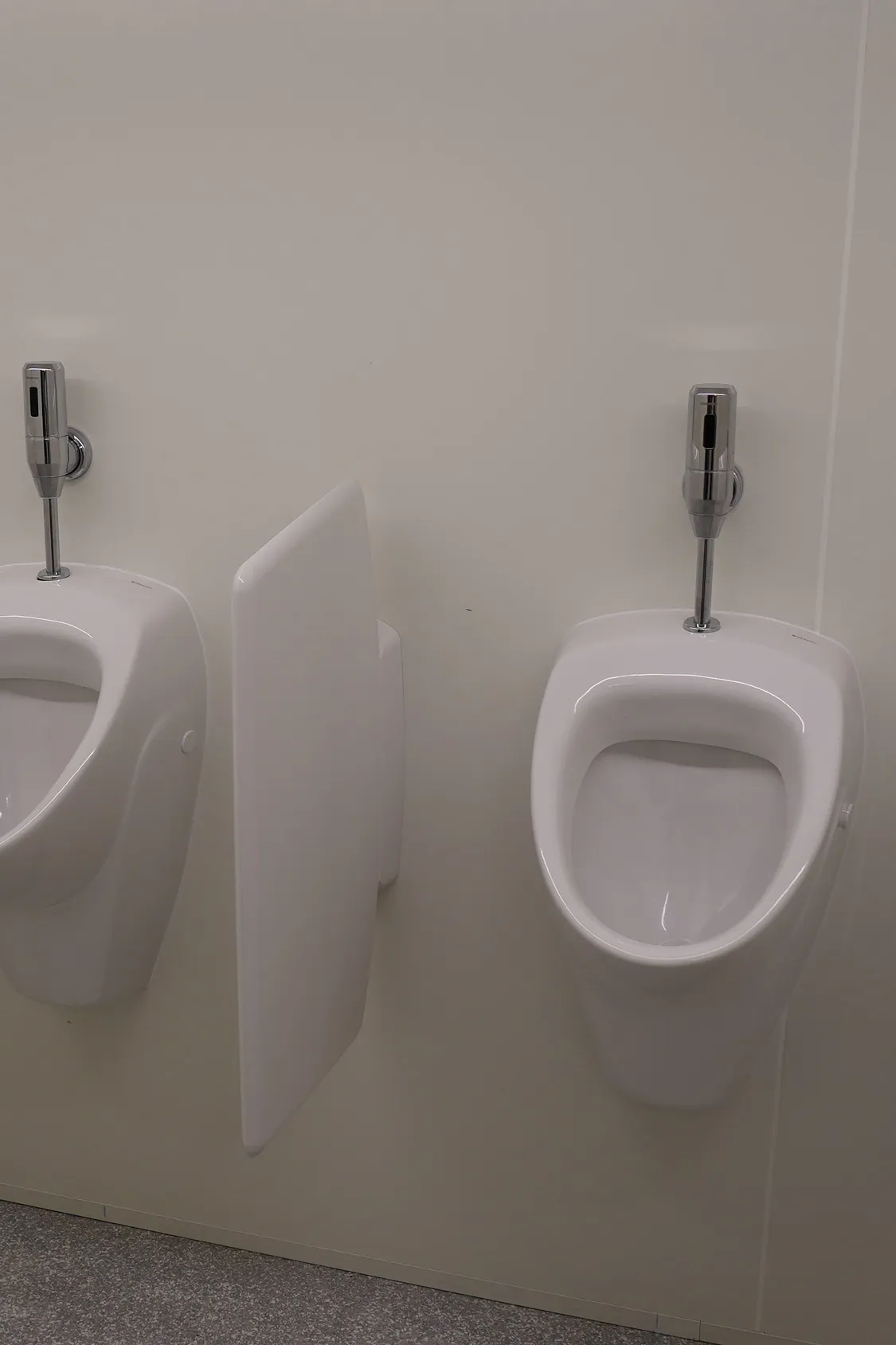
A degree of toilet phobia
Why the discomfort? Hygiene is the main obstacle: 69% of Belgians feel that toilets outside the home are not clean enough. This concern is even more common among women (77% versus 59% of men). A third (34%) simply feel safer at home, while a similar proportion (32%) say they cannot relax in toilets other than their own.
Shame and stress also play a major role. 74% feel stressed when other people are waiting outside, and 63% are embarrassed by the sounds or smells. The fear of not being able to find a toilet is a source of stress for 23%. As a result, many people hold it in for longer than is considered healthy.
Dr. Magali Surmont (UZ Brussel) confirms: “Holding it in is undoubtedly one of the most underestimated underlying mechanisms behind bowel problems in adulthood. The longer you delay going, the more you teach your body to ignore the signals. It’s a vicious circle.”
Impact on daily life
Toilet anxiety has a direct impact on the social lives of many people. 61% of Belgians affected say it influences their activities outside the home. Shopping (33%), going for a walk (34%) and using public transport (32%) become more difficult when the fear of not being able to find a toilet takes over.
Dr. Surmont: “We see that some people are reluctant to leave home because of this anxiety. It has physical and mental consequences. In Western culture, going to the toilet is a very private matter. We need to demystify it, because there is no reason for this taboo.”
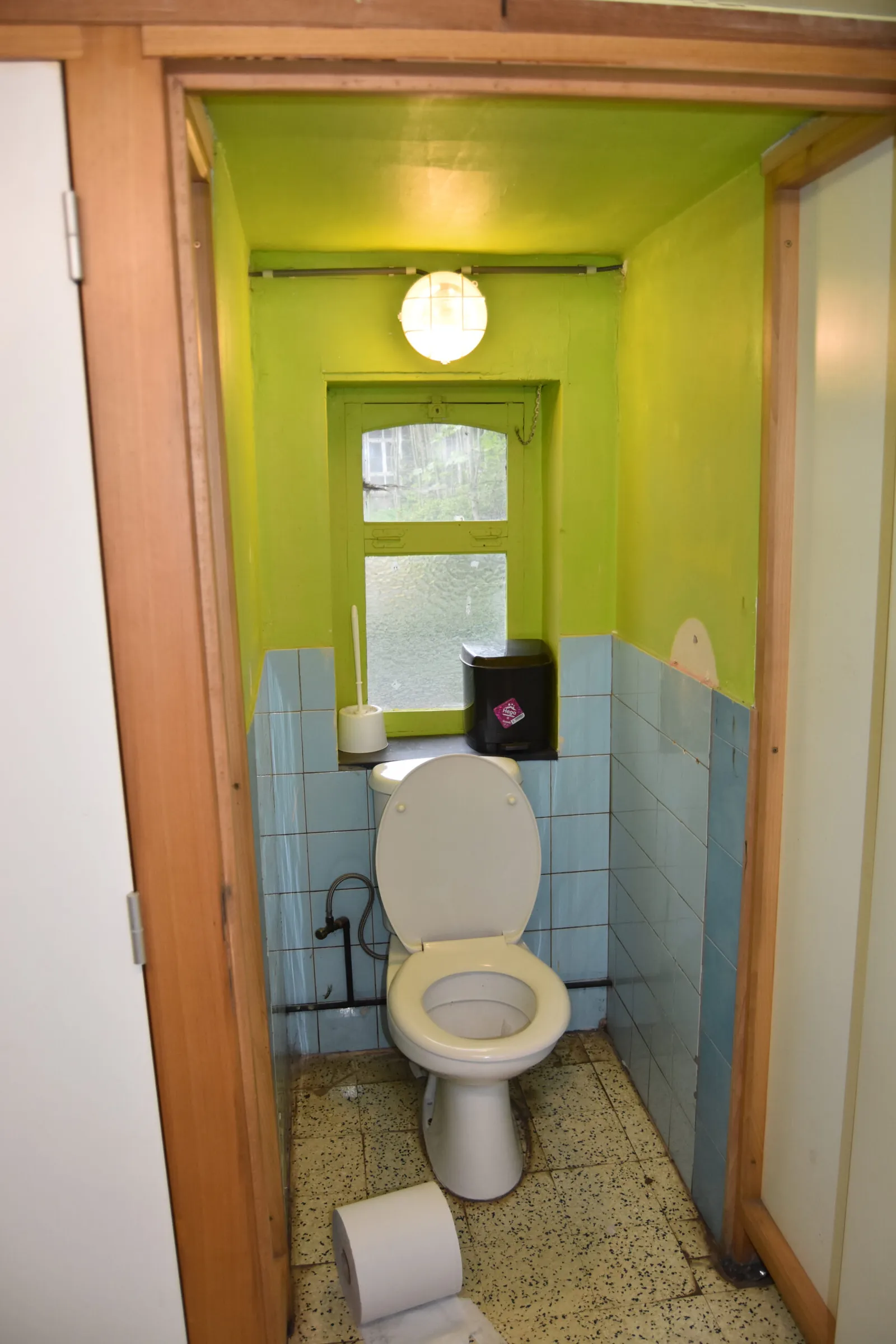
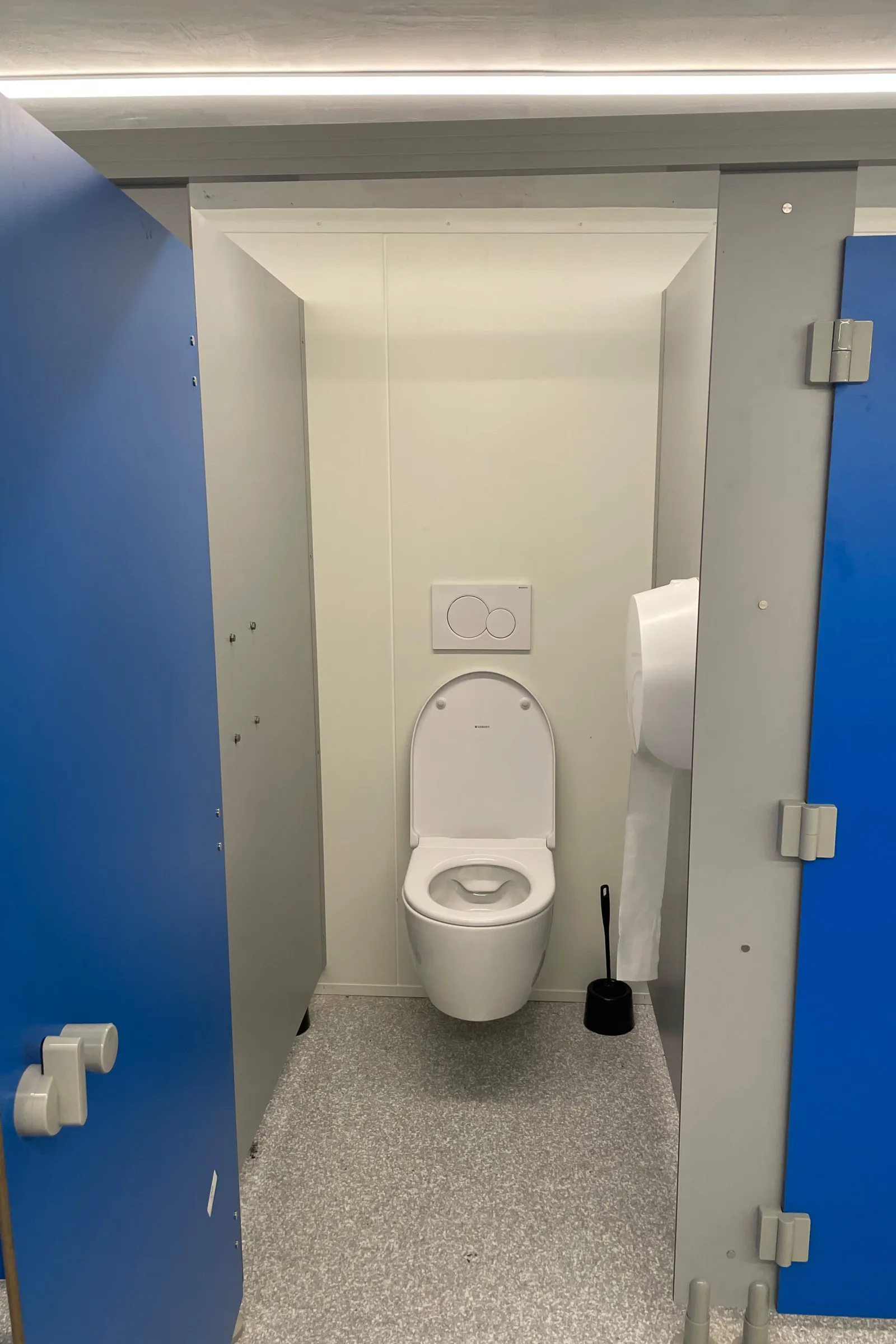
A fear rooted in school
The problem often originates in childhood. More than half of those affected (55%) identify their school years as the starting point. 12% remember it from nursery school, 23% from primary school and 20% from secondary school.
The causes are well known: poorly maintained toilets (67%), lack of privacy (46%), no toilet paper (41%), outdated facilities (40%), bullying (9%) and teachers’ attitudes (7%). Few children feel truly comfortable using their school toilets.
A 2022 iVOX study confirmed this trend: 7 in 10 pupils sometimes hold it in to avoid using the school toilets, and 2 in 5 parents consider school toilets a health risk. Parents and teachers are calling for clear standards and annual inspections.
According to Prof. Dr. De Looze, the importance of good sanitary facilities in schools is clear: “Cleanliness, privacy and ease of use are essential. Children need to be able to use the toilet in a quiet, enclosed space. It is understandable that they want to go during lessons, as it is quieter then. There should be no ban on this, especially in primary school. Minimum standards for school toilets should be considered.” At present, there are only general “recommendations”. As a result, toilets are often relegated to the bottom of the list when school budgets are drawn up.
Dr. Surmont sees the consequences: “We see a lot of constipation in children, and around a quarter continue to have problems into adulthood. Suitable toilets and good education about hygienic habits are essential. In China, for example, children learn from an early age to listen to their bodies, and going to the toilet is approached in a playful way.”
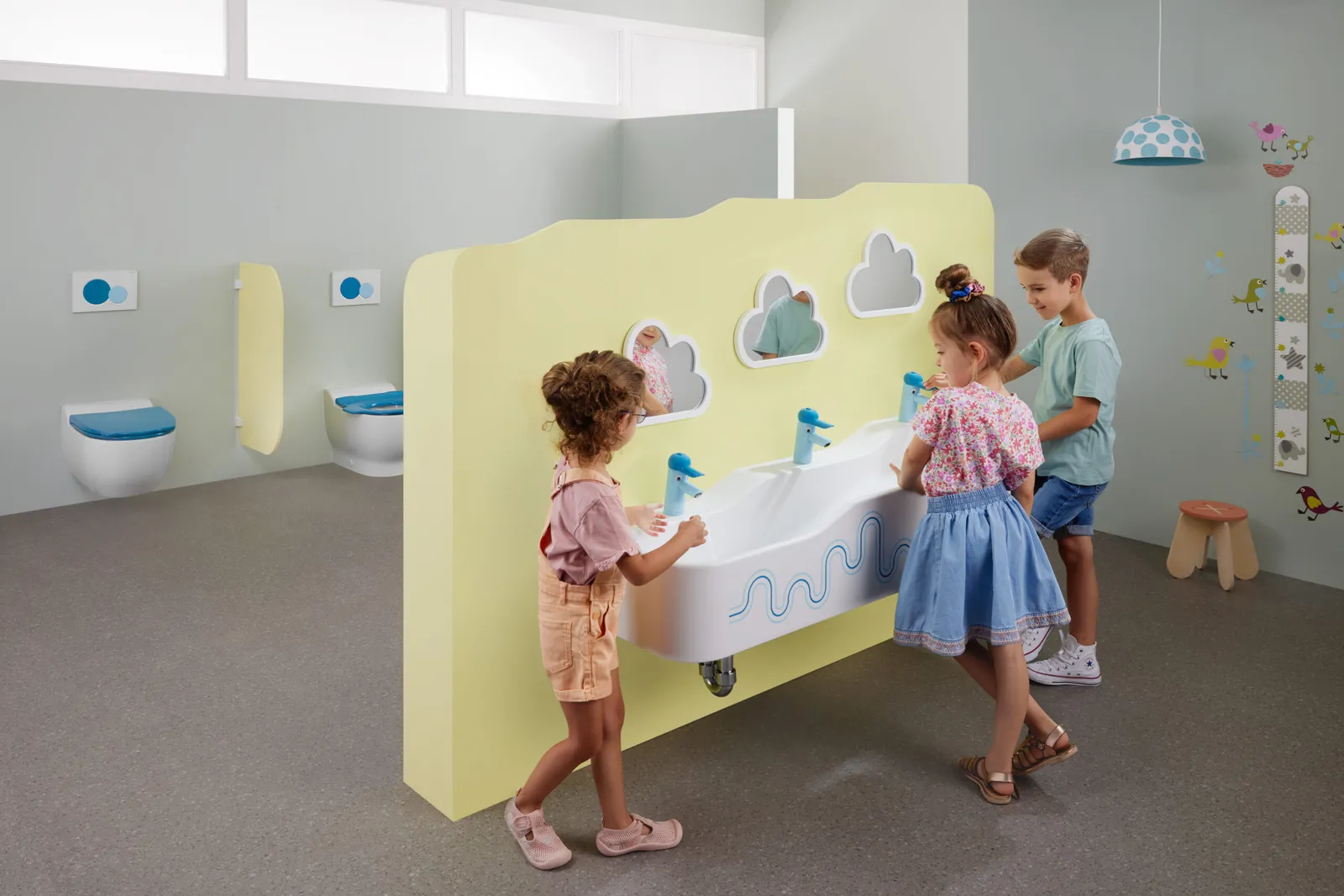
Geberit is actively working to improve the situation with solutions such as Geberit Bambini, a concept specially designed for child-friendly sanitary facilities. Bambini offers ergonomic, hygienic and colourful solutions that encourage children to use the toilet independently, comfortably and with confidence. This is an essential step in learning good toilet habits.
A structural shortage of public toilets
73% of Belgians feel there are too few public toilets, and 65% complain about poor maintenance. Yet people are willing to pay: 80% would be prepared to contribute towards clean, hygienic toilets. 39% would pay €0.50, 18% up to €1, and only 5% more.
Dr. De Looze: “The situation in Belgium is problematic. We are lagging behind the rest of Europe. We have long been calling for more public toilets and hope for concrete action in Flanders through a resolution that has been with Minister Hilde Crevits for several months. This is not just about new buildings, but also about opening up more existing facilities, such as libraries and cultural centres. The figures show that people are willing to pay. And if the cost is too high, why not work with the private sector, for example through advertising?”
Dr. Surmont adds: “We cannot expect every shop or hospitality venue to become a public facility. The ‘toilet pass’* is one option, but it is not a structural solution. It is not legally binding. But it is unacceptable for people with bowel problems or toilet phobia to be socially isolated. Access to clean, accessible toilets should not be a luxury, but a fundamental right.”
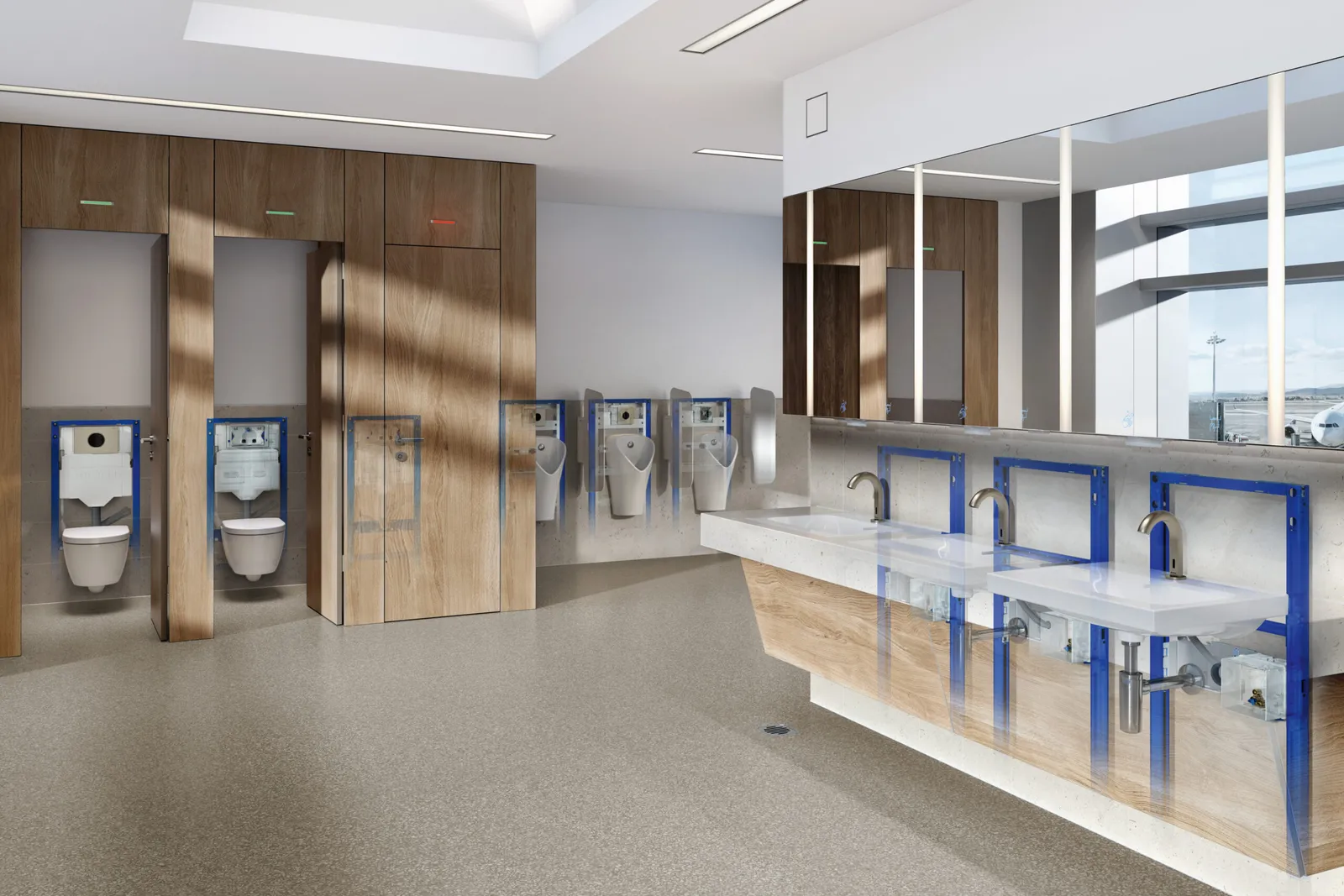
Geberit offers innovative solutions for public toilets, including durable ceramic sanitaryware, hygienic flushing systems and touch-free flush plates. These technologies contribute to sustainability, ease of maintenance and an improved user experience in (semi-)public buildings.
* The Toilet Pass allows people with chronic bowel conditions to use the toilets of hospitality venues, independent businesses and professional practices throughout Europe free of charge and discreetly, without having to make a purchase or pay a usage fee.
Geberit relaunches “The Hunt for Dirty Toilets”
To mark World Toilet Day on 19 November, Geberit is launching the 6th edition of its “The Hunt for Dirty Toilets” initiative. From 19 November to 31 December, schools can apply for renovation support and try to receive €7,500 worth of sanitary equipment. Since 2020, 15 schools have already received support. Over 5 years, 448 schools have submitted an application, proving that the issue remains very much alive. For more information on how to take part in ‘The Hunt for Dirty Toilets’: geberit.be/wtd-fr
Key survey findings:
- 51% of Belgians find it difficult to use the toilet away from home
- 1 in 3 Belgians even avoid doing so as much as possible
- 55% have had toilet phobia since their school years
- 67% attribute this to poorly maintained school toilets
- 3 in 4 Belgians feel there are too few public toilets in Belgium
- 65% consider existing public toilets insufficiently hygienic
- 8 in 10 Belgians are willing to pay for clean public toilets
- Sources of stress when using public toilets: 74% cannot relax when other people are waiting outside
- 63% are embarrassed by the sounds or smells associated with using the toilet
** Online survey conducted by research agency iVOX on behalf of Geberit nv between 29 August and 5 September 2025, among 2,000 Belgians representative in terms of language, gender, age and education level. The maximum margin of error for this sample is 2.3%.
Question about this story? Ask your question
Keep following this
Get an email when a new story is published. No account needed.
- ThemeBetter domestic water management
- SubjectNews







