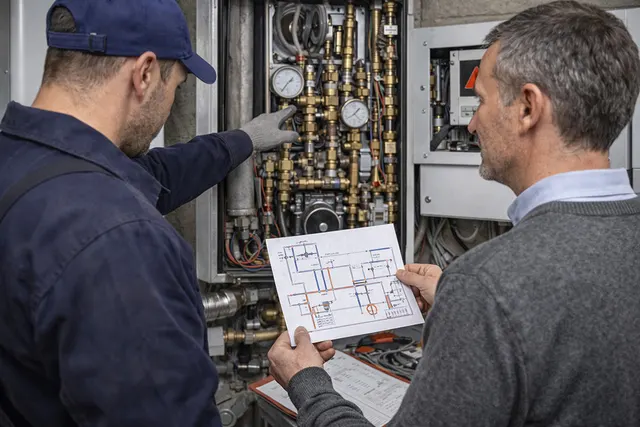
The seven essential conditions for healthy indoor air
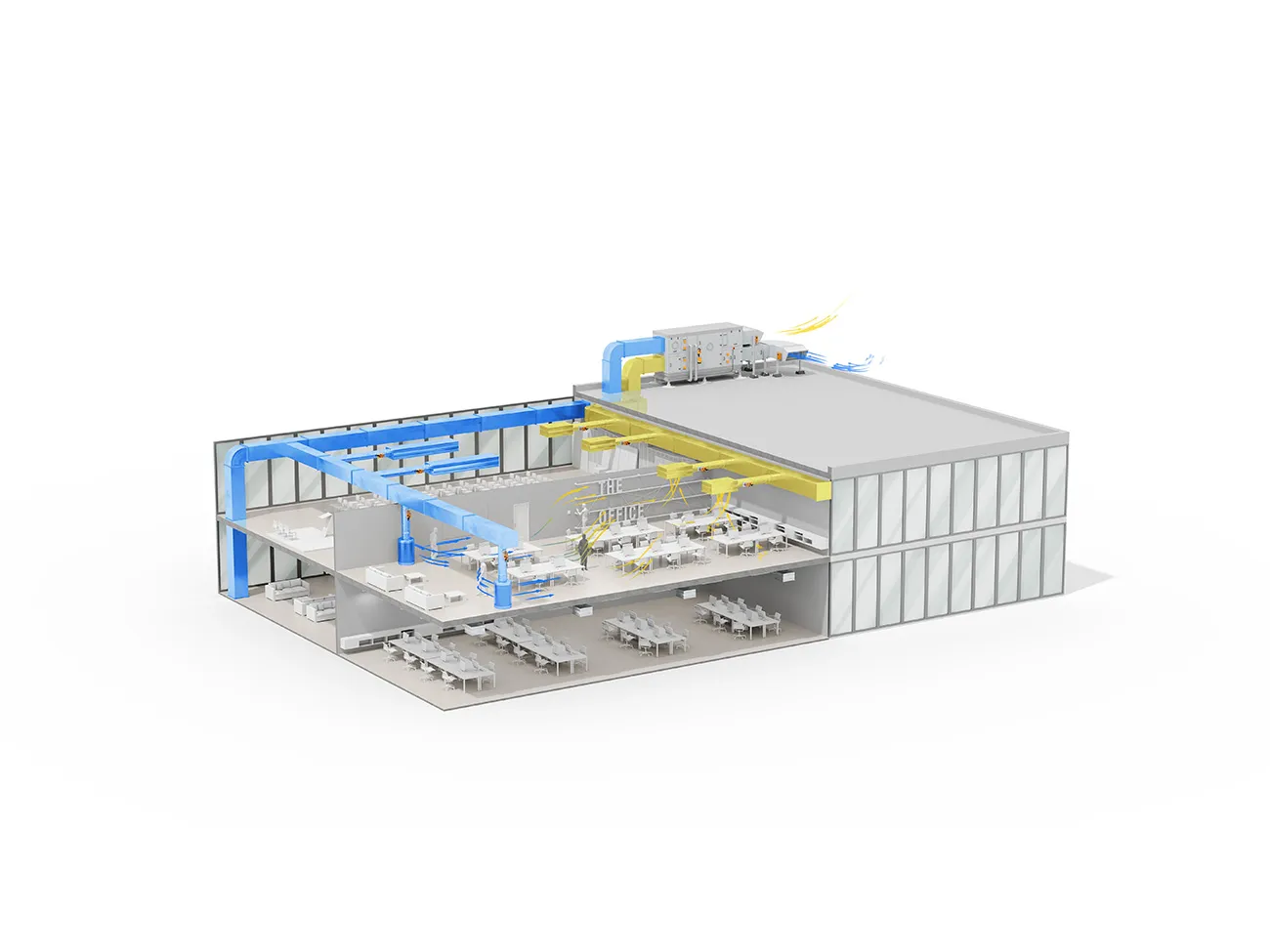
Why is indoor air quality so important for our health, and what role do HVAC systems play? HVAC specialist Belimo highlights some of the key parameters needed to maintain indoor air quality.
Walter Hugentobler, a doctor and specialist in air humidification, building physics and ventilation, has taken a close look at the causes of poor indoor air quality. “Research often focuses on the combustion of fossil fuels, tobacco products, synthetic building materials and furnishings, and cleaning and maintenance products. Human emissions and the indoor biome have not been studied enough and are therefore underestimated. We need to view our built environment as an ecosystem in which occupants, microbes, building surfaces and indoor air interact. This is the only way to keep indoor spaces healthy. It requires systems to monitor and control temperature, humidity, atmospheric pressure, CO, VOCs and, in the near future, infectious aerosols.”
With this in mind, Belimo lists seven essential conditions for healthy indoor air, along with the measures the company can take to meet them.
1. Continuous and reliable measurement, display and monitoring of indoor air quality
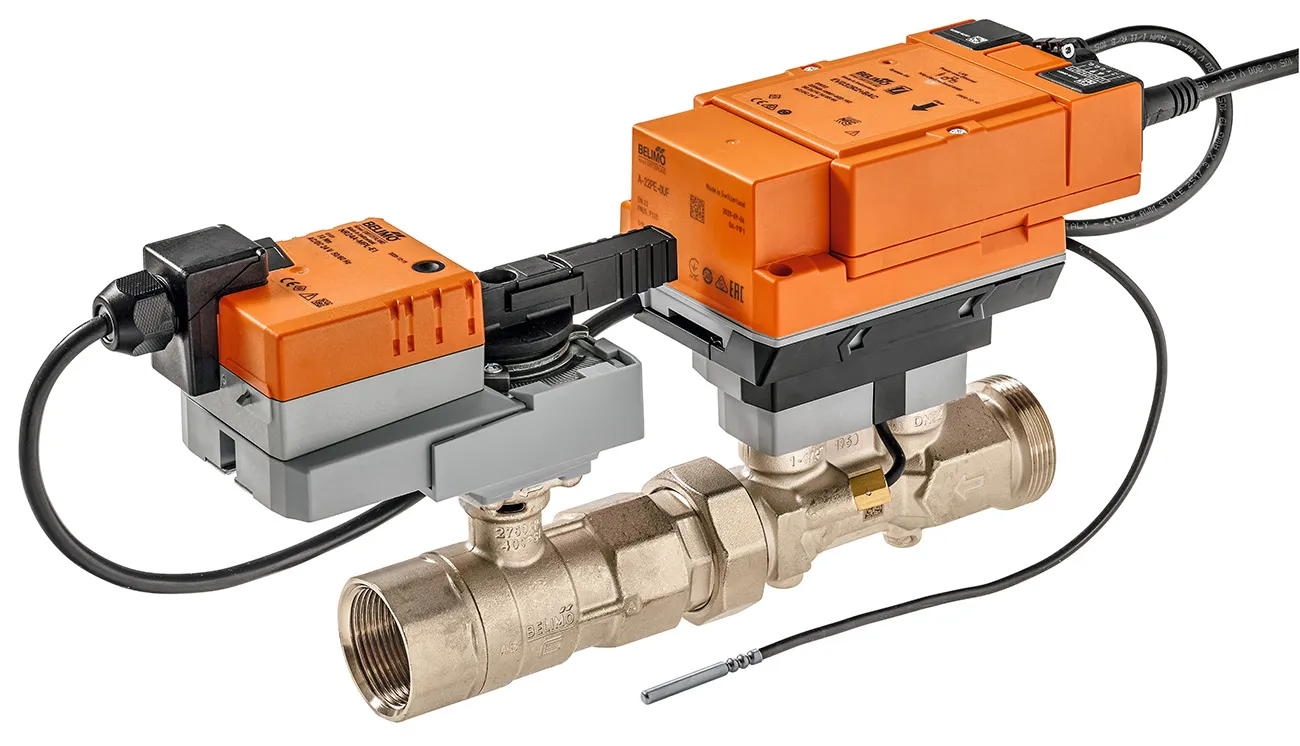
Only variables that are measured can be controlled. This is why sensors are needed to measure humidity, CO levels or VOC concentrations. Appropriate measures can then be taken based on these readings, such as ventilation, air purification or humidification.
Belimo offers a wide range of room and duct sensors for the precise measurement of temperature, humidity (relative and absolute), enthalpy, dew point, CO and VOCs. The range includes active and passive sensors. Duct sensors feature a robust design that meets NEMA 4X/IP65 requirements. In addition to their accuracy, Belimo sensors have a short response time and low drift, ensuring long-term stability.
2. Precise air supply and controlled extraction of contaminated air
Central ventilation units generally supply air to different zones in a building. It is important that each room receives exactly the amount of fresh air it needs and that stale air is extracted. To achieve this, zones and rooms must be supplied individually using variable air volume (VAV) systems.
Belimo offers VAV controllers that can be tailored to specific requirements. One example is the VAV-Compact volume flow controller, an economical solution for variable and constant air volume systems in office buildings, hotels, hospitals and other settings. This unit combines all the necessary functions in a single device.
3. A carefully designed airflow pattern
An important factor is how the air supplied to a room circulates through it and then leaves. Ideally, fresh air should flow undiluted from bottom to top, past a person, before being extracted directly from the room. Care must be taken to ensure that indoor air does not circulate repeatedly around the room or become trapped in certain areas.
4. Active pressure control
Unwanted air entering a zone from outside, such as from a busy road, or from other areas, such as a cafeteria, has a negative impact on indoor air hygiene. This usually happens when air pressure ratios are not properly balanced. VAV controllers, pressure sensors and pressure controllers can be installed to prevent these unwanted airflows.
5. Correct temperature and humidity control
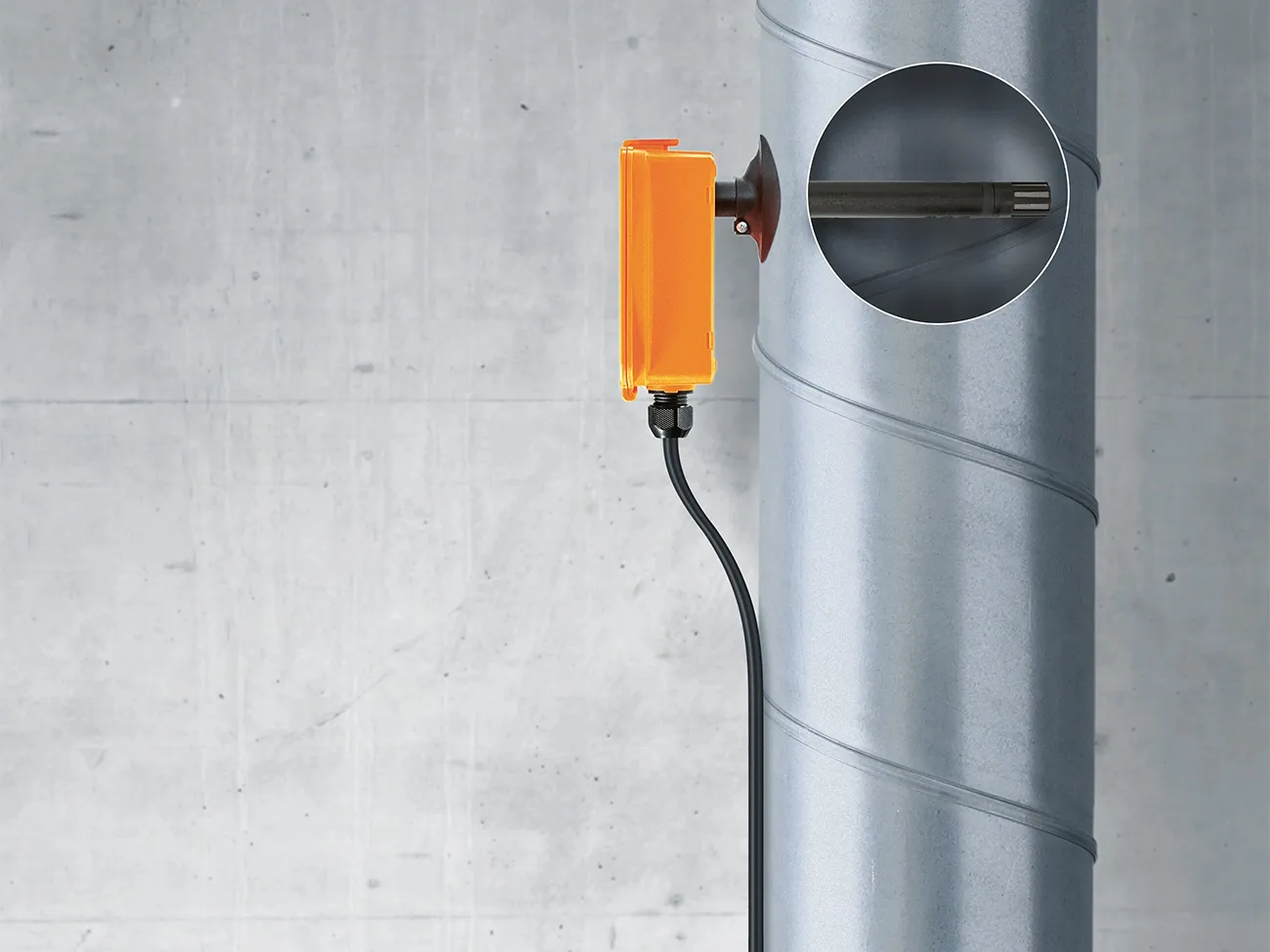
In a central ventilation system, heating or cooling coils can bring the supply air in the air handling unit to the desired temperature with relative precision. High-quality control devices on the coils, such as Belimo’s Energy Valve™, ensure not only high precision but also energy savings. In addition to temperature, adequate humidification of the indoor air (40 to 60% relative humidity) is also essential for healthy indoor air.
6. Effective filtration
Filters must be incorporated into the air handling unit to prevent contaminants from entering indoor spaces through the fresh air ducts. In systems where some of the extracted air is mixed back into the incoming air, suitable filters must be used to prevent microbial contamination.
Belimo air pressure switches are an economical and reliable way to monitor filters in constant air volume systems. In variable air volume systems for demand-controlled ventilation, a differential air pressure sensor is the more suitable solution.
7. The correct amount of outdoor air
Many countries have recommended or mandatory standards for mechanical ventilation in commercial buildings, requiring a minimum air change rate based on the type of building and the number of occupants. An automated system can supply more outdoor air when pollution levels from traffic and industry are low, then return to the required minimum ventilation rates when pollution levels rise.
Een zakelijke vraag aan BELIMO Belgium bv? Get in touch
Companies in this story

Keep following this
Get an email when a new story is published. No account needed.
- ThemeHealthy indoor air
- SubjectHVAC
- CompanyBELIMO Belgium bv