“Belgium’s complex system is holding back the breakthrough of heat pumps in our country.”
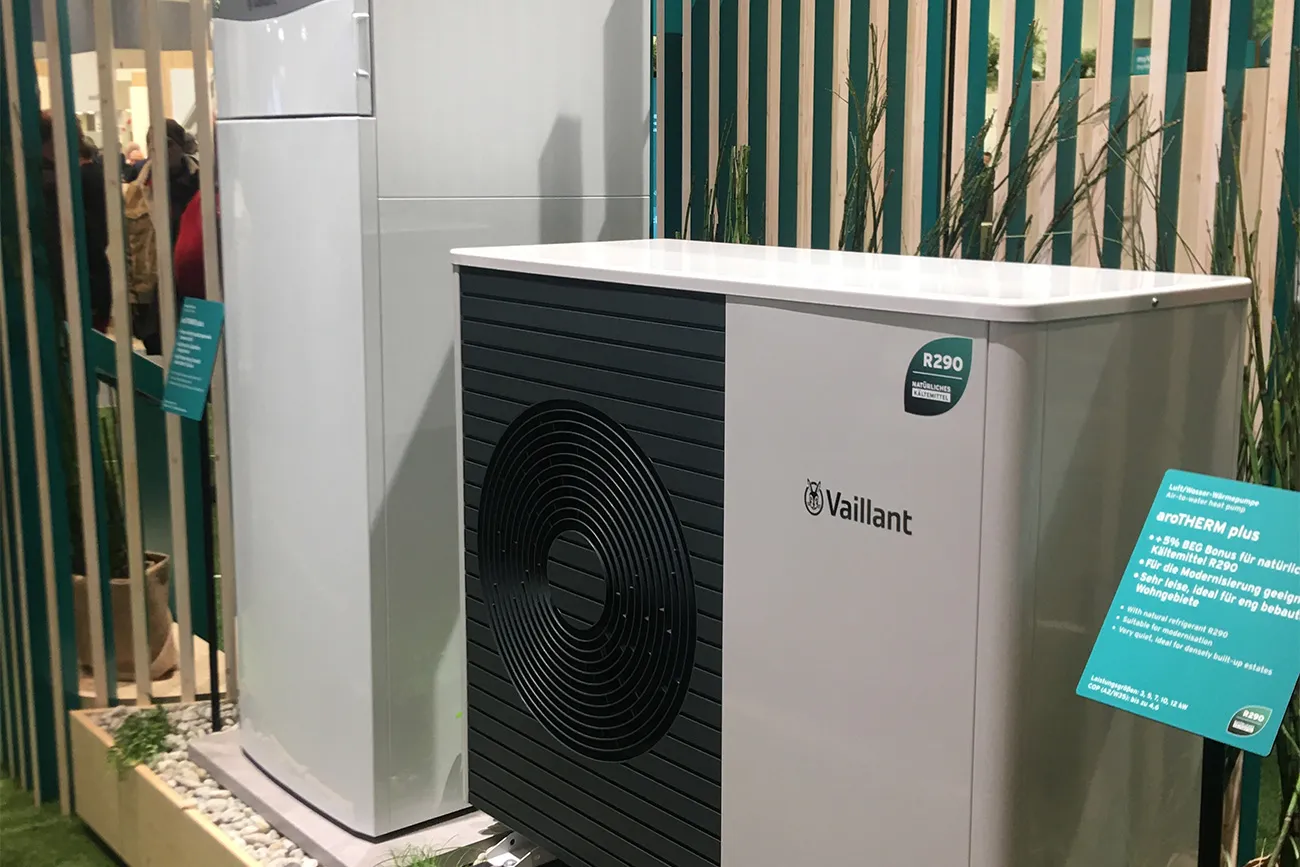
Heat pumps are the heating systems of the future, but they are one of a range of solutions, according to energy consultant Luc Dedeyne. We spoke to him about the trends seen at the latest ISH trade fair, as well as the expectations and challenges ahead.
Heat pumps were everywhere in Frankfurt, as Luc Dedeyne confirms: “It is regrettable that Belgium is years behind, because certain groups continue to lobby for keeping the combination boiler alongside the heat pump. Neighbouring countries have already taken the plunge, with Germany leading the way. For example, some foreign manufacturers are not currently planning to introduce booster heat pumps in Belgium because our country is too complex. They require too many inspections, which adds to the cost.”

R290, a more sustainable refrigerant
What trends and developments can we expect? Luc Dedeyne: “R290, or propane, a new, more sustainable natural refrigerant, will undoubtedly become increasingly common. It has a low global warming potential and high thermal efficiency. But once again, in Belgium, indoor units require approval, even if the heat pump contains only a tiny amount of gas. This causes considerable delays. It makes me wonder what we are actually doing…”
The rise of air-to-air heat pumps
Luc Dedeyne: “We are also seeing an increase in the number of air-to-air heat pumps, or air conditioners, particularly in apartments. They will account for a large share of the market, especially since the Flemish EPB regulations mean that, for calculation purposes, people are almost pushed to install air conditioners in bedrooms to cool them in summer and, indirectly, heat them in winter, when an air-to-water or ground-source heat pump would be a better choice. The Flemish regulations urgently need to be revised. We are campaigning for this, but generally we are presented with decisions that have already been made.”
Air-to-water heat pumps
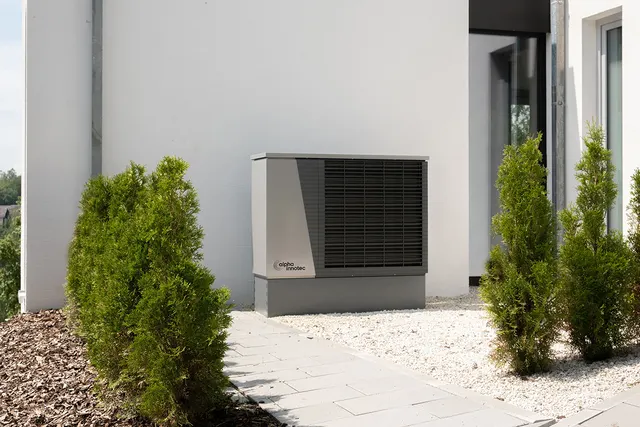
In future, the market will consist mainly of air-to-water heat pumps, according to Luc Dedeyne: “Of the two types of unit, monobloc and split, it is monobloc units that will come out on top. Outdoor temperatures are rising considerably. The monitoring system at my home, which measures the outdoor temperature every five minutes, shows that last year there were only 300 hours when the outdoor temperature was 2 degrees or lower. That is just 12.5 days. Heat losses are calculated at -7 degrees, a temperature we did not experience.”
Collective heat pumps
In Germany, the installation of collective heat pumps in apartment blocks is currently being encouraged. Luc Dedeyne: “These systems operate at low temperatures. Since they cannot produce domestic hot water, an additional booster heat pump is installed, which is a good solution. Many manufacturers are also moving into the production of apartment units, connected to the district heating network, which extract heat from it for space heating and domestic hot water. Manufacturers of domestic heating systems are also increasingly offering photovoltaic panels, charging stations and so on.”
What does the future hold for district heating networks? Luc Dedeyne: “They are part of the solution, as are pellets. But it will be a hundred years before district heating networks are operational in Belgium. Many streets are being renovated at the moment without any mention of a district heating network.”
Hydrogen
Finally, hydrogen must also be taken into account, according to Luc Dedeyne: “New boilers can already replace at least 20% of the gas volume with hydrogen. Some manufacturers are also producing boilers that run exclusively on hydrogen. The challenge, however, lies in the supply of hydrogen. Research shows that gas networks can be used to transport hydrogen, provided certain connections are replaced. The pipes themselves will not be an obstacle.”
A mix of solutions
So what is the conclusion? Luc Dedeyne: “In any case, the future does not depend on a single solution. Heat pumps, district heating networks and pellet boilers will all have a role to play. Under ecodesign regulations, heat generators in new buildings will have to be more efficient within a few years. Condensing boilers can no longer meet that target.”
Question about this story? Ask your question
Keep following this
Get an email when a new story is published. No account needed.
- ThemeAlternative heating and cooling
- SubjectHVAC