Rapid growth in testing electrical (PV) installations
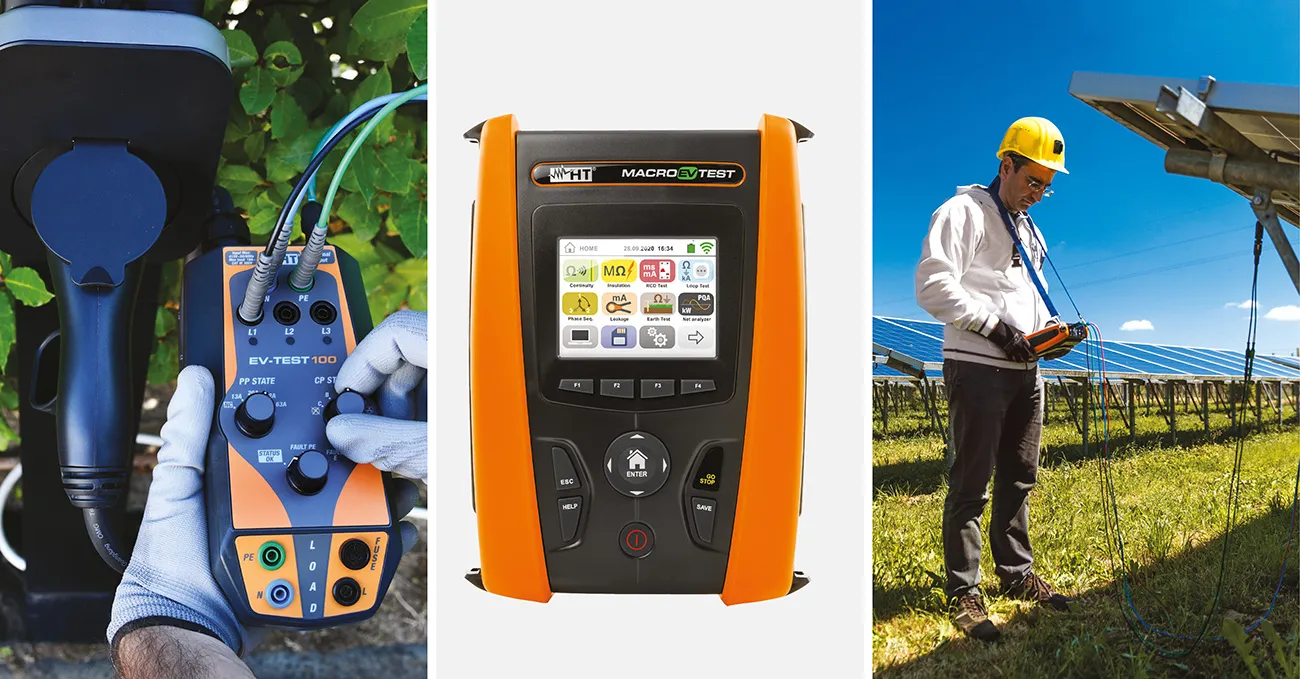
There are various reasons why testing is becoming increasingly important. Many photovoltaic installations have already been in service for 20 to 25 years. IV curve measurements can be used to assess how profitable these installations still are and whether they may need replacing. In addition, the photovoltaic market has grown explosively in recent years, attracting many unqualified players and putting electrical safety at risk.
Is testing compulsory?
It is advisable to measure polarity and insulation resistance as soon as a PV installation is commissioned. These measurements help ensure there are no wiring errors that could cause a fire. Such measurements are not yet compulsory, but installations are likely to have to meet these requirements in the near future.
Periodic inspections
When an electrical installation is commissioned, the installer must ensure that it complies with the requirements of the General Regulations on Electrical Installations (RGIE). When a PV installation is first put into service, it is worth taking a number of measurements to check that it is safe and operating correctly. Periodic inspections using the same measuring instrument can reveal any changes or anomalies. Checking the open-circuit voltage (Voc) and short-circuit current (Isc), and preferably comparing the readings with the standard test conditions (STC) values given on the data sheet, is therefore highly relevant. Periodic inspections should improve the safety, profitability and service life of the panels.
However, it is important to bear in mind that de-energising PV installations is not straightforward. A specific insulation resistance tester must be used for this purpose. Standard ohmmeters do not have this function.
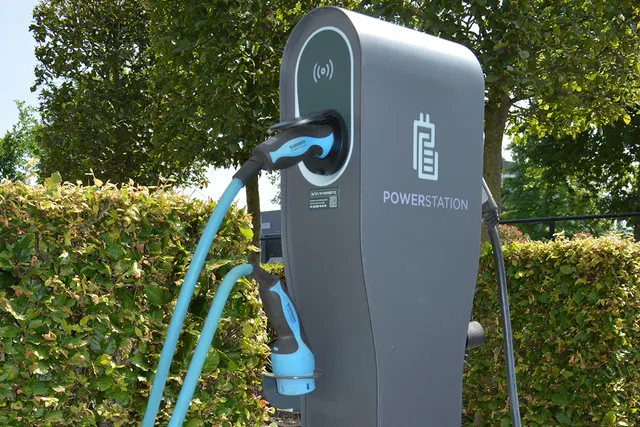
Testing charging points
When carrying out the required measurements and tests, make sure the instrument you choose is suitable for the measurements involved. For example, a standard installation tester can be used to take measurements on a charging point, provided it is fitted with the appropriate adapter. However, caution is needed because not all installation testers have a 6 mA residual current device test function, even though many charging points are fitted with one. When buying a new measuring instrument, EURO-INDEX recommends first checking that it has the measurement functions you are likely to need in the years ahead.
Discover EURO-INDEX’s range of measuring instruments for photovoltaic installations, E-mobility and electrotechnical installations.
Een zakelijke vraag aan EURO-INDEX? Get in touch
Companies in this story

Keep following this
Get an email when a new story is published. No account needed.
- ThemeGenerating and managing energy
- SubjectElectrical engineering
- CompanyEURO-INDEX