“Put your project in the best light, naturally.”
Texte Tom Rampelberg
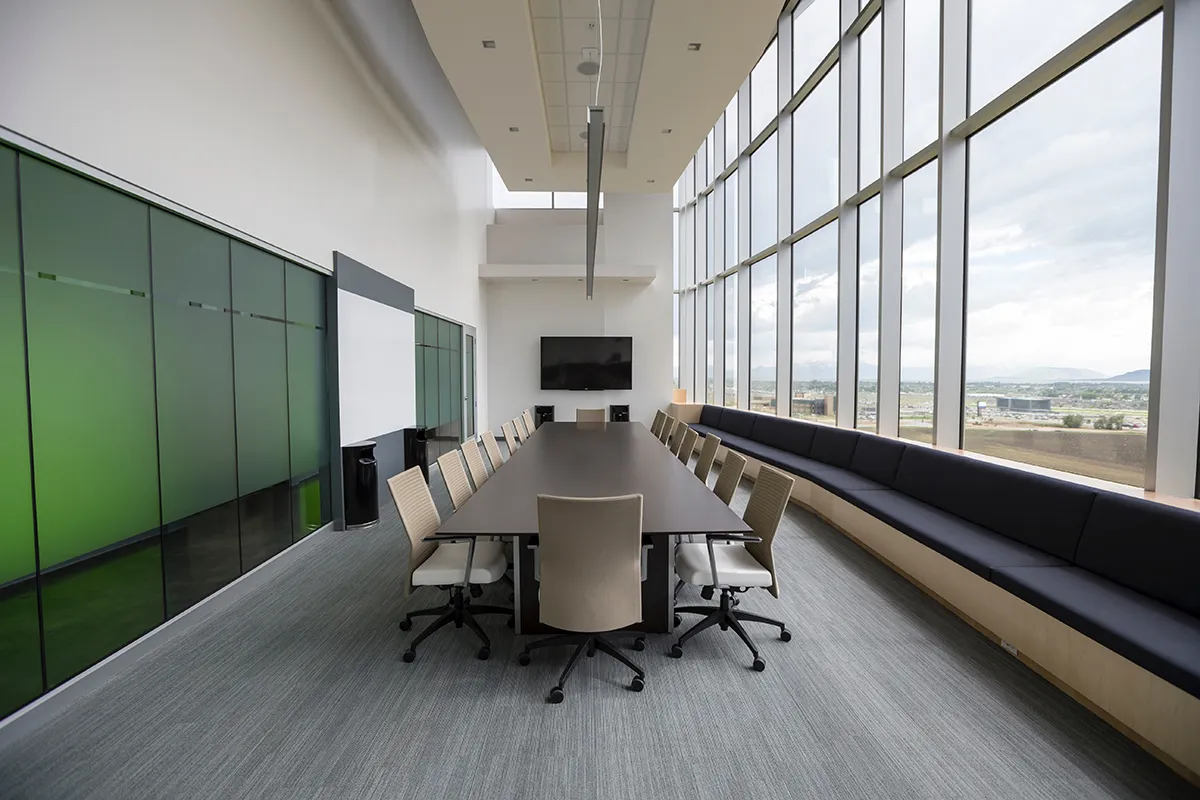
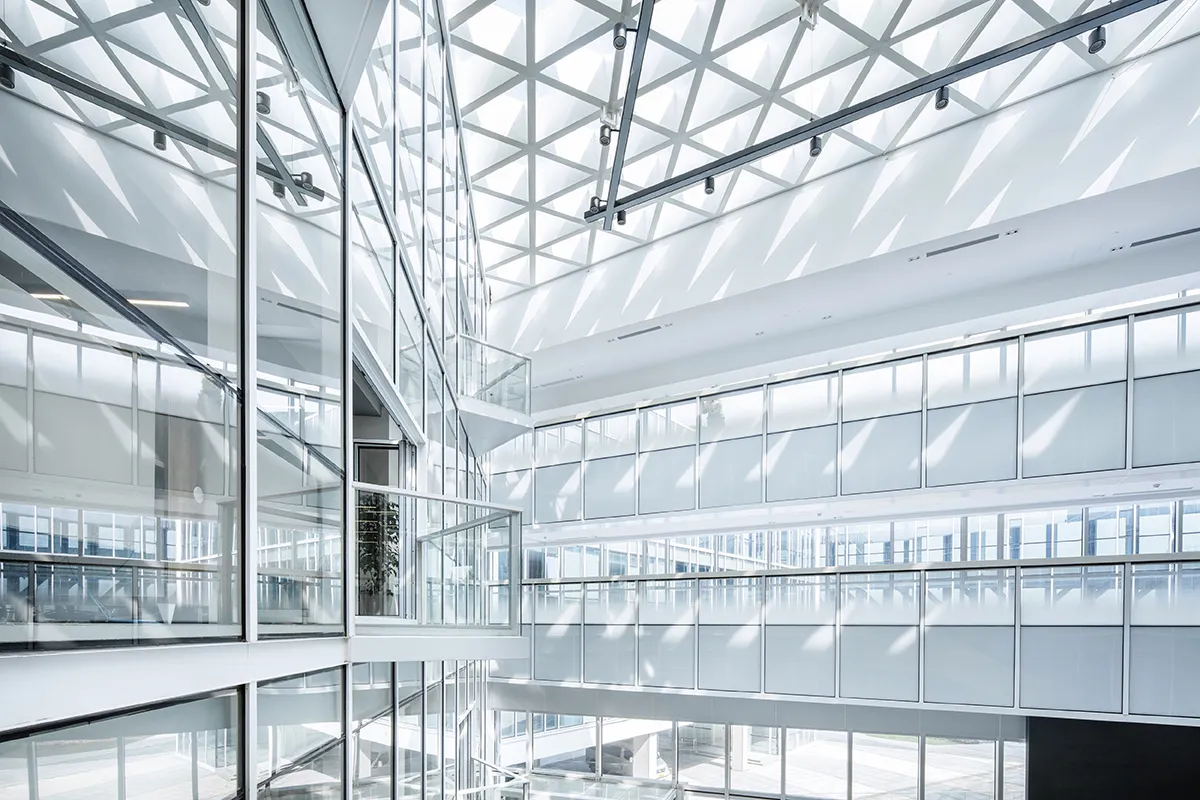
There is no need to explain the importance of lighting in a project. Yet we still see (far too) often that it is planned right at the end of the construction process, with all the consequences that entails. Isn’t it time to break with this way of thinking? After all, a well-designed lighting plan requires several other factors to be taken into account, especially when daylight is involved.
Catherine Lootens, cluster manager at Groen Licht Vlaanderen, a lighting association with more than 80 affiliated Flemish organisations, sets the tone: “Daylight is number one, in fact. It is the most important factor for human well-being, so it should never be overlooked in a lighting concept. But daylight’s greatest advantage, namely that it is almost always available and free, is probably also a drawback. It is so present that it is easy to forget about it. What is more, lighting design is still too focused on legislation and/or compliance with standards, when well-being and visual comfort are at least as important.”
“One idea for addressing this? What if, during the initial lighting design, ideally in the very earliest stages of a construction project, we worked only with daylight? We would then know its parameters and would only need to add artificial light. If anything changes later in the construction process, we can simply incorporate those changes into the lighting design to achieve a coherent result.”
A unique experience
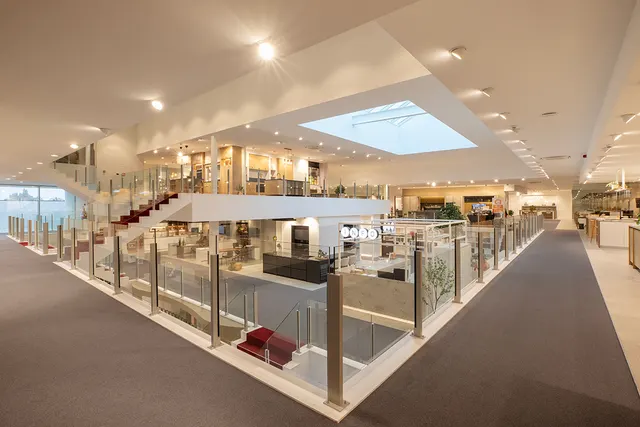
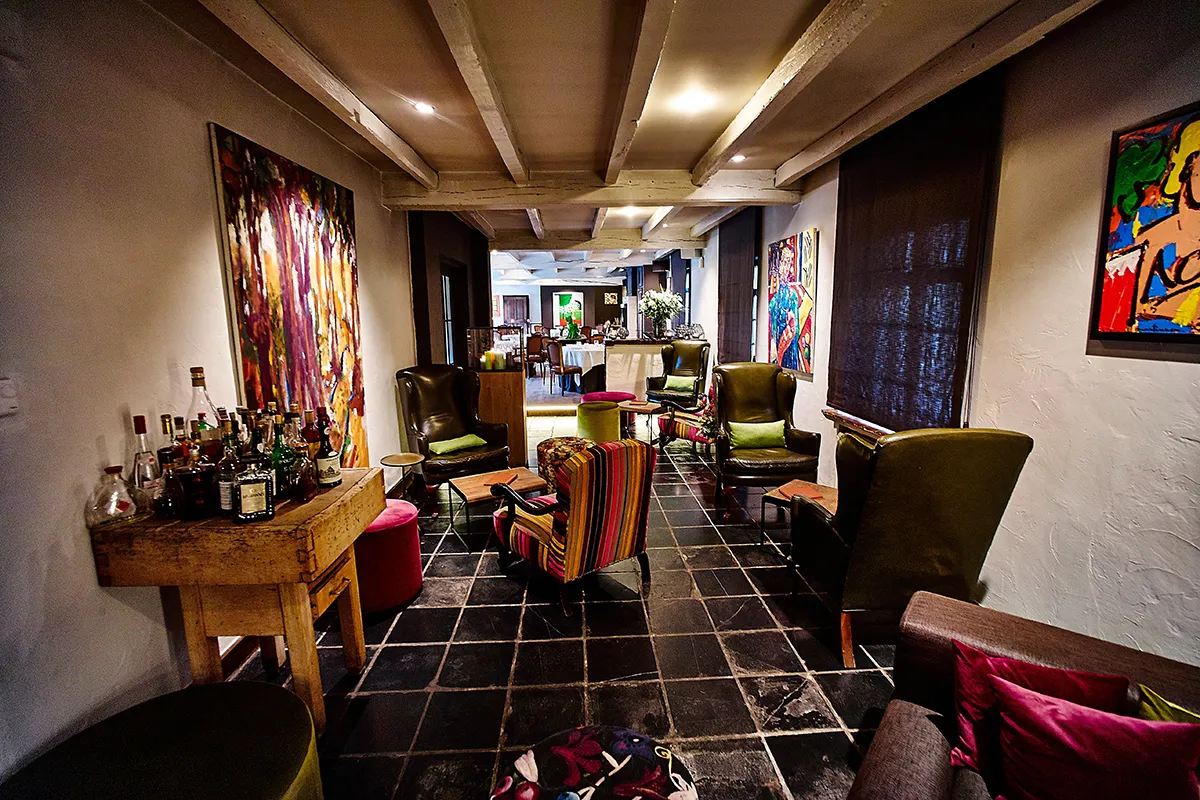
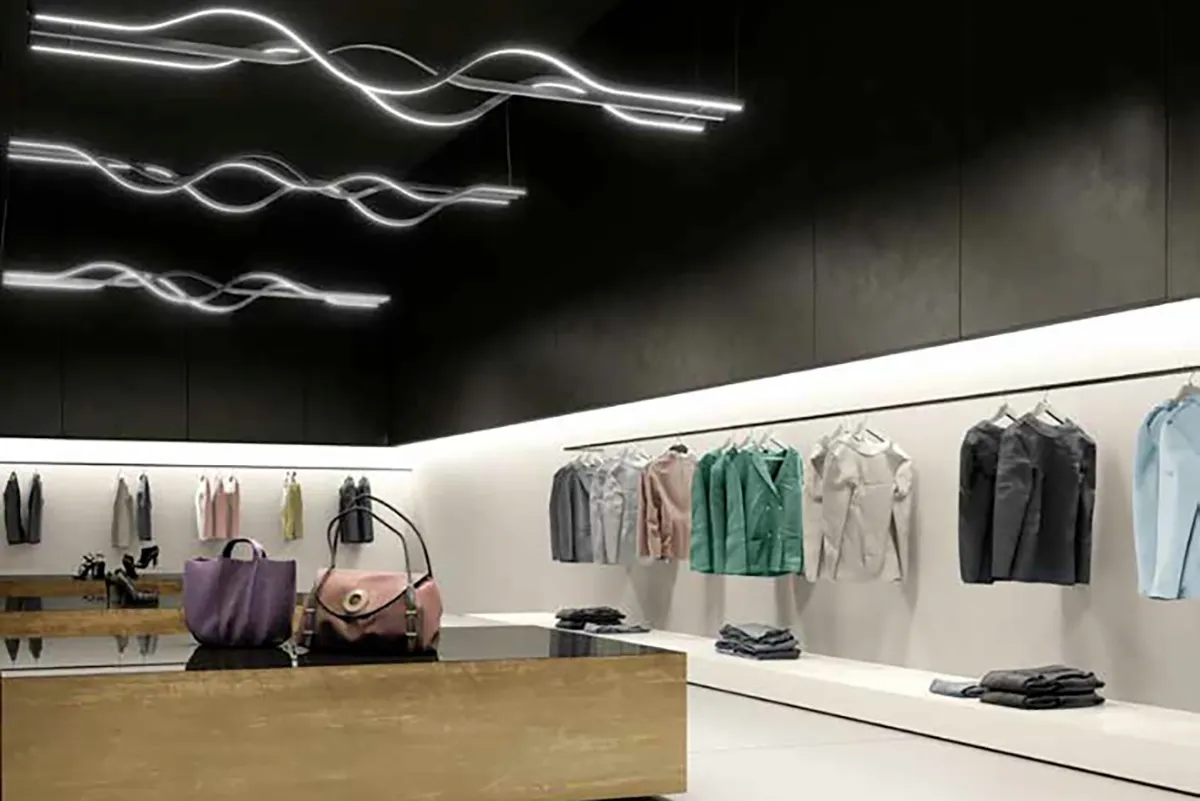
Good lighting in a home can make or break the whole atmosphere. But the effect of good lighting on the success of a retail space should not be underestimated either. Lighting in a shop does more than simply illuminate the space. It influences the customer’s experience and purchasing process, known in technical terms as the customer journey. With sophisticated lighting, you can, so to speak, determine how a visitor moves through the building. Where is the best place to put items that need special attention? How can a particular product be highlighted, both literally and figuratively? How long does a (potential) customer stay in the shop? Lighting is now part of a genuine shopping and brand experience, alongside interior design, the use of colour and music. “Use general and accent lighting together to ensure the shop is visible enough while subtly guiding customers towards a particular product,” explain the specialists in this field. “But you should also make clever use of the properties of light to enhance how products are perceived. Clothing, food and other products are shown to their best advantage with the right combination of colour and light distribution.”
International project
Museums, art galleries and retail spaces demand the best lighting solutions to showcase works of art and products for sale. But those responsible for these spaces have broader requirements. They want, quite reasonably, the best lighting solution, with luminaires that attract attention without distracting from the object they illuminate. A discreet presence, so to speak. Several manufacturers active in this field tell us that they are developing, or have already developed, extensive product ranges. These include spotlights, wallwashers and other track systems, and use different optics to create the desired light beams. The design of luminaires for museums is also the focus of an international project involving the Lighting Technology Laboratory at KU Leuven, Ghent, and Groen Licht Vlaanderen. The project partners, as the project is called, Shape the Light, Art for light, Light for Art, want to explore new approaches to designing luminaires for art and heritage. The Lighting Technology Laboratory at KU Leuven, Ghent, provided training on the specific technological requirements for lighting used in museums at its annual Light Digest event.
The focus was on the optical, photometric, colourimetric and digital properties of lighting devices, with the aim of providing an optimised lighting tool for innovative lighting design. An exciting project that we will continue to follow closely.
Question about this story? Ask your question
Keep following this
Get an email when a new story is published. No account needed.
- SubjectElectrical engineering