Electrical inspections in Belgium: the current picture
Texte Wouter Polspoel | Photos Pixabay
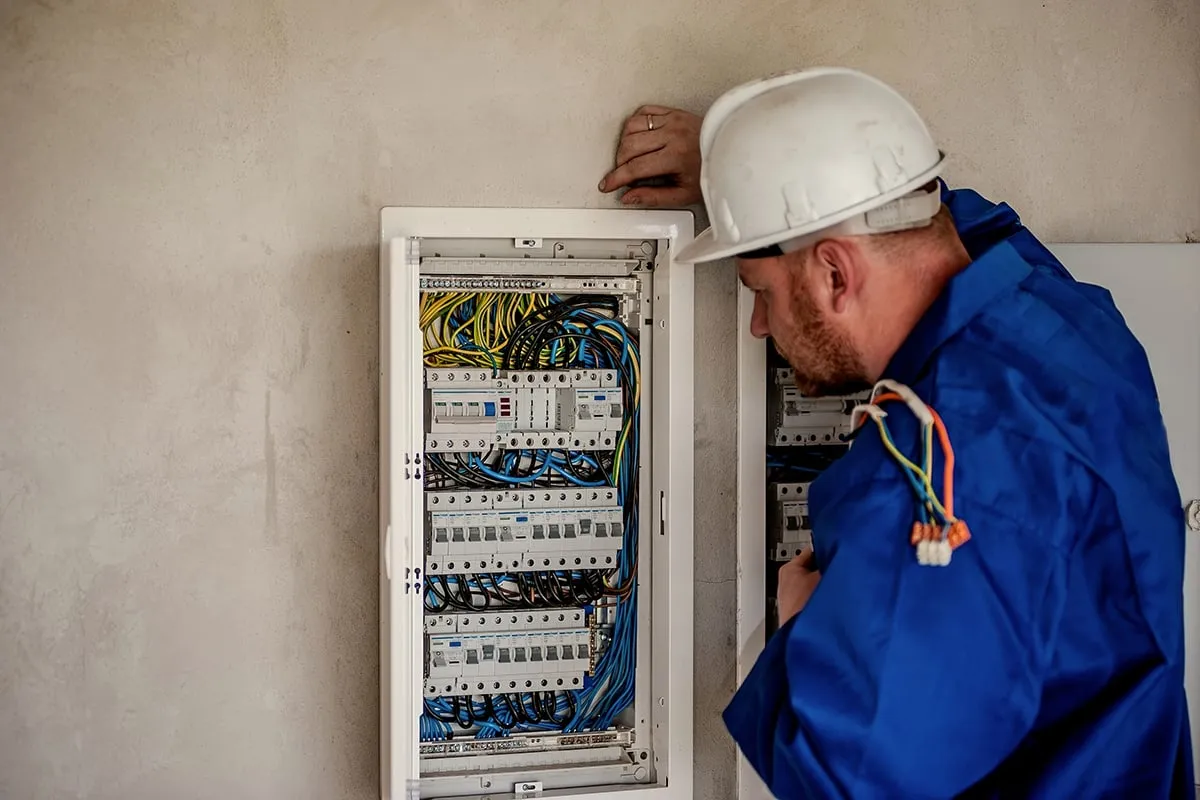
Electrical inspections have been an integral part of Belgium’s regulations governing electrical installations for many years. They aim to prevent electrical faults in homes and buildings, eliminate short circuits and fires, and protect building users from electric shocks. Today, electrical inspections in Belgium are more focused than ever on sustainability and digitalisation, and inspection requirements are stricter than ever. Here is an overview of the current situation.
In Belgium, the General Regulations on Electrical Installations (RGIE) require electrical inspections in specific circumstances. These include a new installation, a major renovation, or the sale of a house or building. A sale cannot go ahead without an inspection report or certificate. Electrical installations in homes must also be inspected every 25 years, or every five years in the case of a rental property. Many insurers make a valid inspection report a condition of cover for damage caused by fire.
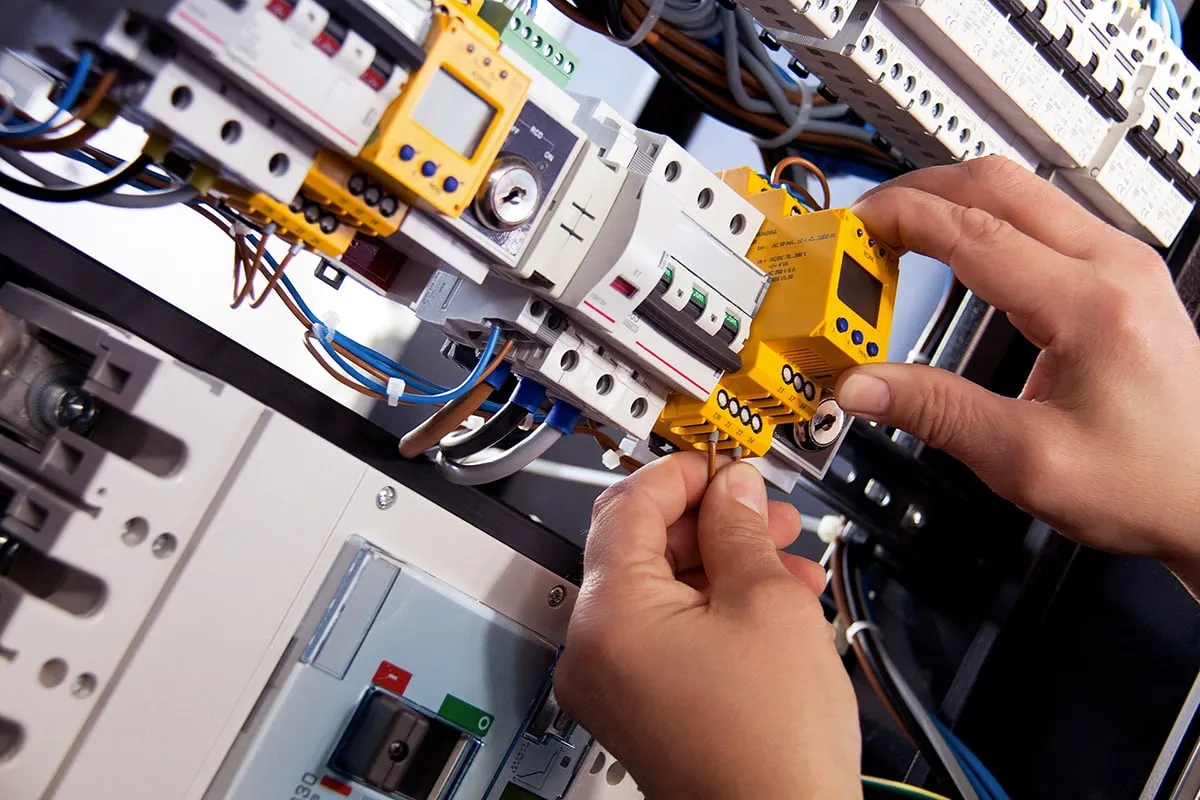
In Belgium, electrical inspections are carried out by an accredited inspection body, such as Vinçotte or BTV, with qualified inspectors. They check the following:
- Earthing: are the connections correct?
- Residual current devices: do they operate safely and trip in time?
- Electrical diagrams: are they complete and accurate?
- Cables and switches: are there any faults or signs of wear?
- Load capacity: is the installation suitable for current and future loads?
Inspection bodies are increasingly replacing paper inspection reports with digital certificates accessible via centralised platforms.
Recent developments
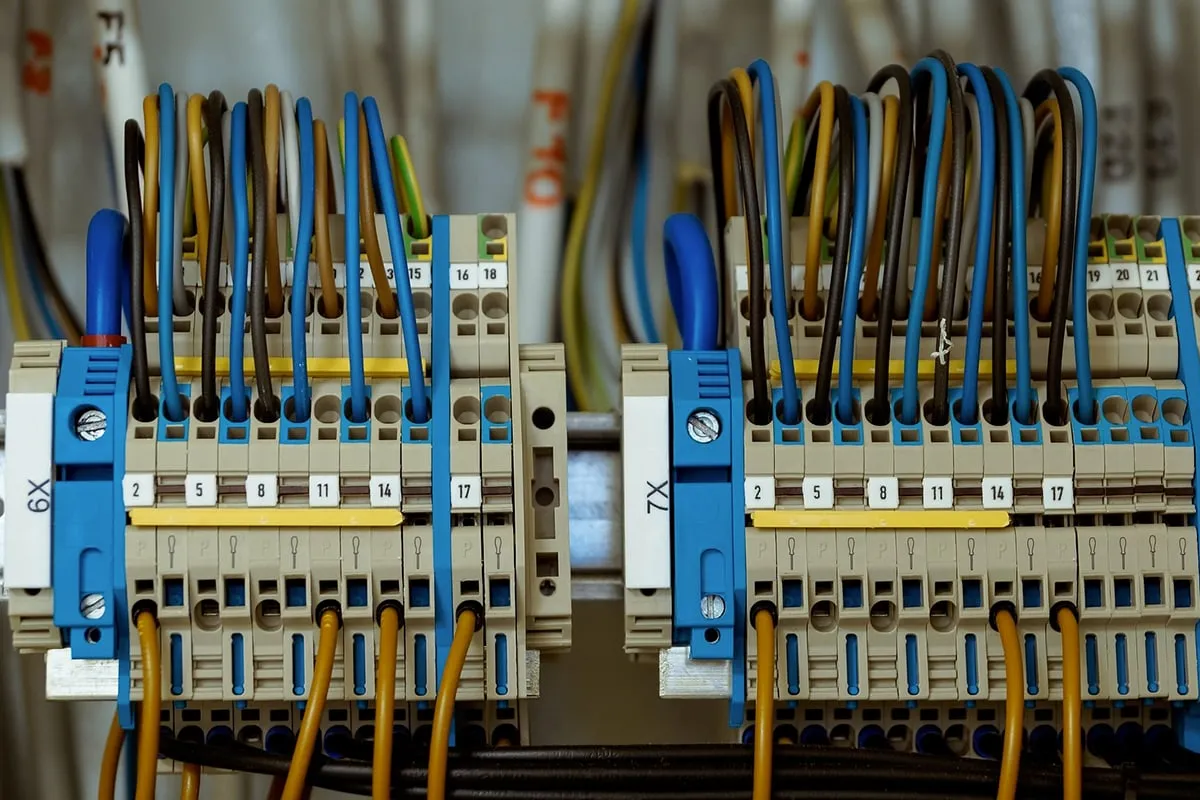
Since the new RGIE was introduced in 2020, the regulations have become more comprehensive and detailed. For example, they distinguish between low-, medium- and high-voltage installations.
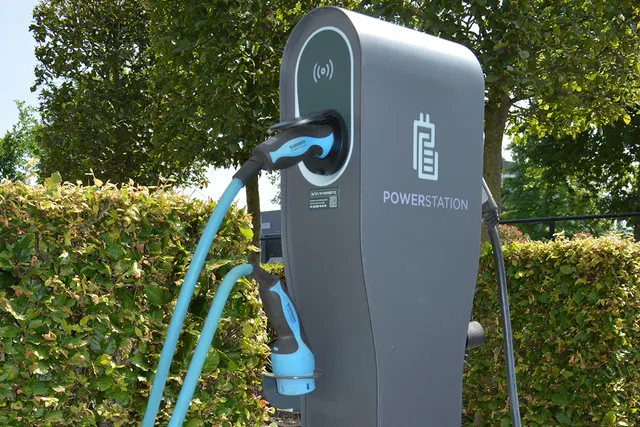
Three major recent developments are also worth highlighting. First, renewable energy has been incorporated into the requirements. The rise of solar panels, home batteries and charging stations has made it necessary to adapt the standards. Electrical inspections now check the safety not only of the main installation, but also of newly integrated technologies.
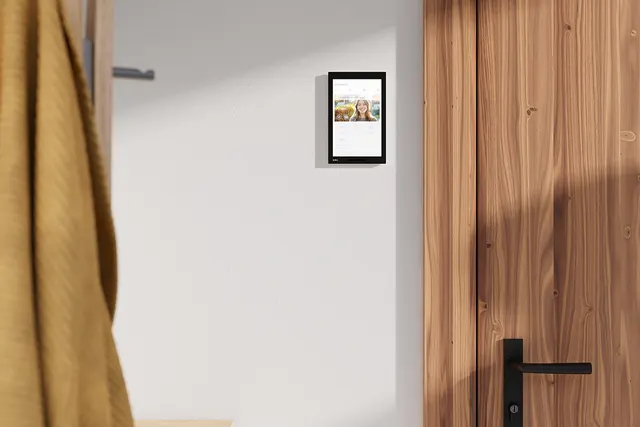
Second, today's electrical inspections must also take account of the compatibility of the main installation with home automation and smart meters. The RGIE clearly stipulates that neither of these systems must pose a safety risk.
Finally, stricter requirements now also apply to inspections of older electrical installations. These are intended to encourage building owners to modernise their installations sooner. Incidents caused by outdated electrical diagrams and faulty wiring remain a persistent problem: inspection bodies report that nearly 40% of installations over 40 years old fail their first inspection.
Challenges
Inspection bodies are currently facing a heavy workload. Demand for electrical inspections continues to grow, partly because of the expansion of renewable energy. Waiting times of several weeks are more the rule than the exception. Another challenge is that many Belgians do not know exactly how to prepare their installation for an electrical inspection. This often leads to repeat inspections and additional costs on top of the standard inspection fee, which ranges from 100 to 300 euros depending on the complexity of the installation. In older homes in particular, the cost of modifications following an unsatisfactory inspection can quickly mount up.
The future is electric
Belgium continues to invest in improving electrical installations, not only through tighter RGIE requirements. Other initiatives, such as financial support for modifications to electrical installations and awareness campaigns, are expected to make the country's installations safer and more sustainable.
Next year, inspections of home batteries and other storage systems will also become mandatory. This measure is in line with Europe's ambition to accelerate the energy transition without compromising safety.
Conclusion: Tighter RGIE requirements mean that both private individuals and businesses must modernise their electrical installations when necessary. Electrical inspections in Belgium are therefore much more than a simple administrative requirement. They are an essential link in protecting people and homes.
Question about this story? Ask your question
Keep following this
Get an email when a new story is published. No account needed.
- SubjectElectrical engineering