Want to reduce energy losses in your heating system? Water quality is crucial
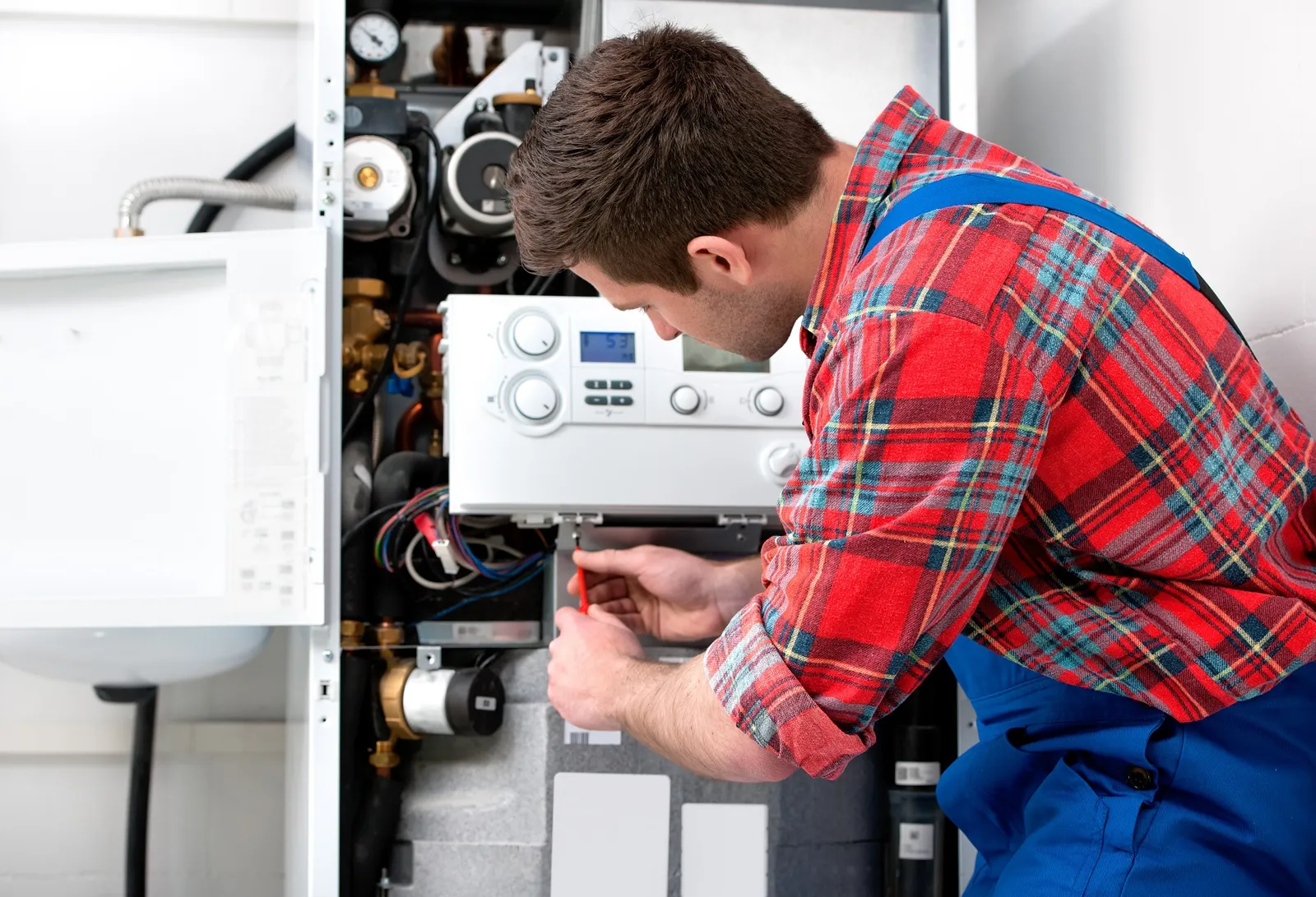
Water treatment is becoming increasingly common in Belgium, although it is still too often associated with domestic water. Yet the quality of the water circulating through your central heating system, underfloor heating pipes or solar collectors also needs to be good to prevent problems with your installation and an even higher energy bill. For this reason, ask your heating specialist to check the quality of your heating water at your next service.
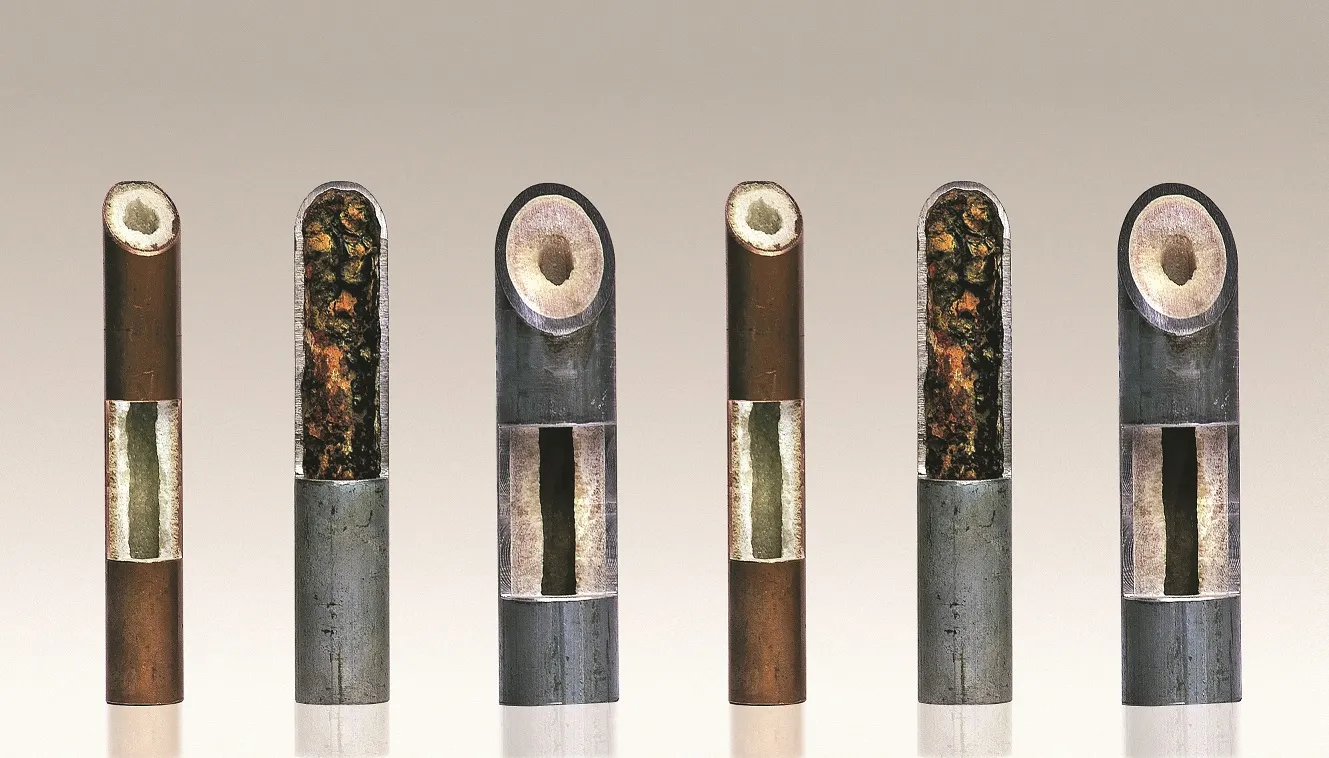
Heating water circulates through the pipes, radiators and boiler. When this water is contaminated, too hard, too alkaline or too salty, heating it in the heating circuit causes dirt particles and minerals to form deposits, which build up at the hottest points. A 1 mm layer of deposits on a heat-emitting surface reduces heat output by around 10%, thereby reducing your heating appliance’s efficiency by 10%. As a result, 10% more energy is needed to keep your home just as warm. These deposits can also cause breakdowns or high maintenance costs.
To prevent limescale deposits, fill your heating system with softened or demineralised water. Softened water has had calcium and magnesium removed, so limescale deposits cannot form. Demineralised water has had all minerals removed, which prevents corrosion. Your central heating system will therefore operate efficiently and economically.
Alongside deposits, corrosion is a very common problem. Corrosion causes corrosion sludge to form, ranging from black magnetite to red rust, and is almost entirely due to the presence of oxygen in the system, an unsuitable mix of metals, a pH that is too high (acidity) or excessive salt content in the heating water.
Most boiler manufacturers therefore require the filling, top-up and system water to comply with the guidelines in the German standard VDI-2035. These provide indicative values for hardness, pH, conductivity (an indication of salt content) and pH value, depending on the metals used and boiler capacity.
Since July 2021, the Belgian CSTC (Scientific and Technical Centre for Construction) has also highlighted the importance of the quality of filling, top-up and system water in heating installations through Technical Information Note (NIT) 278, which is endorsed by all heating appliance manufacturers and importers belonging to ATTB (Association for Thermal Techniques in Belgium).
Have your heating water tested
As limescale deposits and corrosion are insidious processes, the CSTC recommends in its new NIT 278 that the water quality of all heating systems be closely monitored.
Free heating water test kits are available from water treatment specialist BWT. Excessive hardness in filling water will cause limescale to form, while a pH that is too high (acidity level) and excessive salt content in the heating water will increase corrosion.
Heating water treatment as a solution
In older installations affected by deposits and/or corrosion, it is best to drain the water, clean the system if necessary, then refill it with softened or demineralised water.
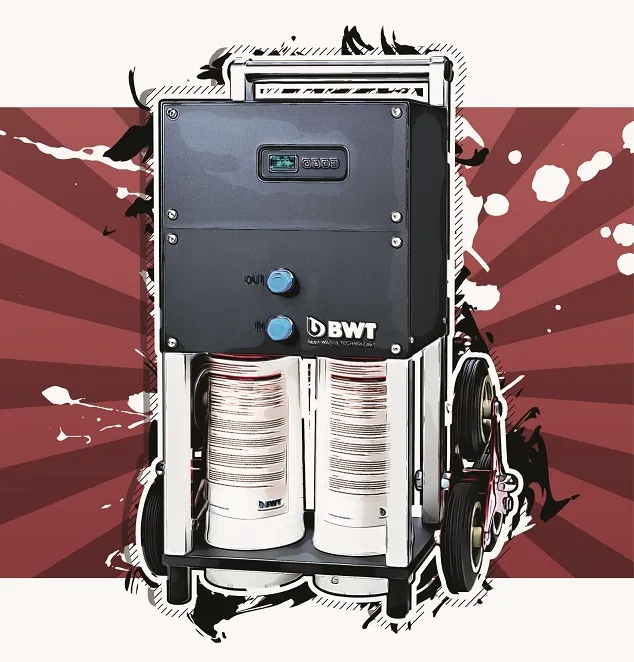
When this is not possible, water treatment specialist BWT recommends a mobile reverse osmosis unit, such as the new AQA Therm MOVE Power, to reduce the salt content (conductivity) of the heating water without taking the system out of service.
Additives can also stabilise the situation and prevent further damage. For this purpose, water treatment specialist BWT offers the SoluTECH range. It comprises liquid products, with a specific SoluTECH product developed for each heating method, which a central heating installer can add to the heating water. Just 500 ml to 1 l of product is enough to treat 100 litres of heating water.
Your central heating specialist can always contact BWT for tailored advice on your central heating system.
Question about this story? Ask your question
Keep following this
Get an email when a new story is published. No account needed.
- ThemeAlternative heating and cooling
- SubjectNews