The search for tomorrow’s renewable liquid fuel

To meet the climate targets set by the European Union, solutions are needed to reduce greenhouse gas emissions from building heating. One option is to provide low-carbon heat using a boiler fuelled by liquid fuels. Developing and bringing low-carbon liquid fuels to market is therefore a real challenge for the heating oil sector, which is well aware of the scale of the task.

Taking all factors into account
According to the latest figures from the FPS Economy, more than a third of Belgian households heat their homes with heating oil (37%). Most are in rural areas or on the outskirts of urban areas, where connection to the natural gas network is impossible or difficult. Given this significant proportion, it is easy to understand the sector’s interest in offering low-carbon liquid fuels. Willem Voets, General Manager at Informazout, confirms their potential: “Using these fuels can cut CO2 emissions by up to 90% compared with conventional heating oil. But before we talk about cleaner heating oil, there are two other crucial steps: first, reduce the building’s energy demand, particularly through better and more extensive insulation, and by installing a high-efficiency boiler. Then, combine heating oil with renewable energy, for example by pairing existing oil-fired boilers with a heat pump or a solar water heater.”
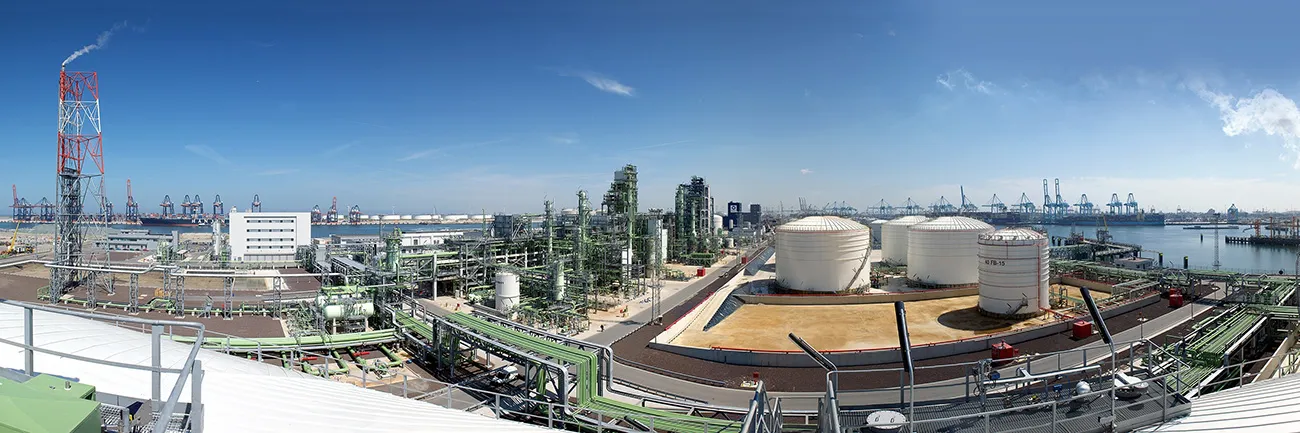
All low-carbon liquid fuels (Biomass-to-Liquid, EMAG, HVO, Power-to-Liquid) have potential, but are at different stages of development. Some are still being developed, while others are ready to be introduced to the market. Heat generator manufacturers are currently working through the process of approving the use of these alternative fuels in their boilers.

Is HVO the “real” solution?
“As mentioned earlier, we are not ruling out any low-carbon fuel, whether all of them or only some have a future. However, HVO’s advantage over other fuels is its high compatibility with conventional heating oil. Its chemical composition allows it to be blended with heating oil in any proportion. This makes it a genuine drop-in product (and even suitable for use neat: heating systems in the UK and Finland run on 100% HVO), reducing CO2 emissions by up to 90%,” explains Willem Voets. It is a promising product, and available volumes are expected to increase rapidly in the coming years, with several companies interested in producing HVO.
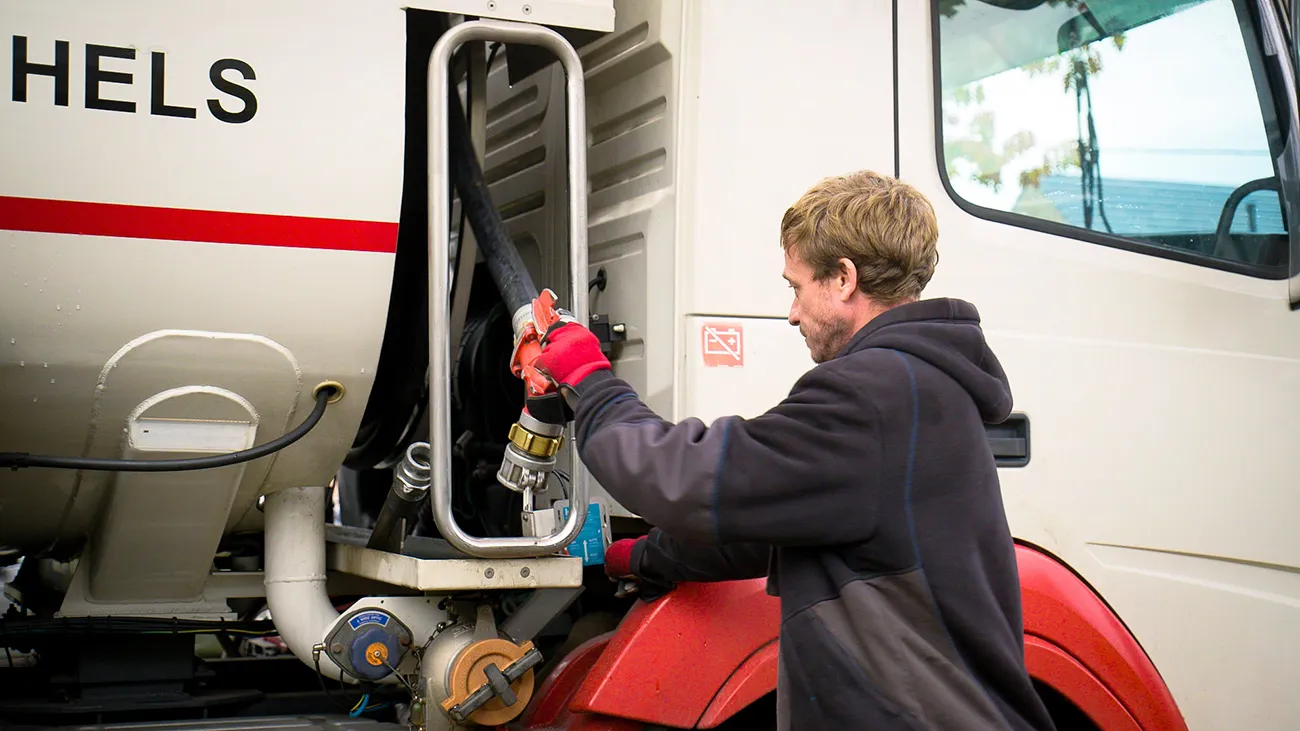
Informazout backs R33
Informazout has also launched a demonstration project to show the potential of HVO, using R33 fuel, a blend of 26% HVO (NBN EN 15940) and 7% EMAG (NBN EN 14514) mixed with conventional heating oil. The choice of R33 was a logical one, as Willem Voets explains: “It is a blend also used in other European countries, with standard parameters that are monitored and measured. We will soon be able to draw lessons from all these field trials. In addition, en2x, Informazout’s German counterpart, has already carried out numerous tests and technical checks showing that R33 can be used without adapting the heating system. Finally, R33 works perfectly when blended with conventional heating oil and delivers comparable efficiency. The figures speak for themselves: an oil-fired boiler running on R33 emits less CO2eq/kWh than a natural gas boiler.”
Question about this story? Ask your question
Keep following this
Get an email when a new story is published. No account needed.
- ThemeAlternative heating and cooling
- SubjectNews