











Sustainable renovations and energy-neutral buildings go hand in hand
Texte Anastasia Verleysen | Photos Schneider Electric
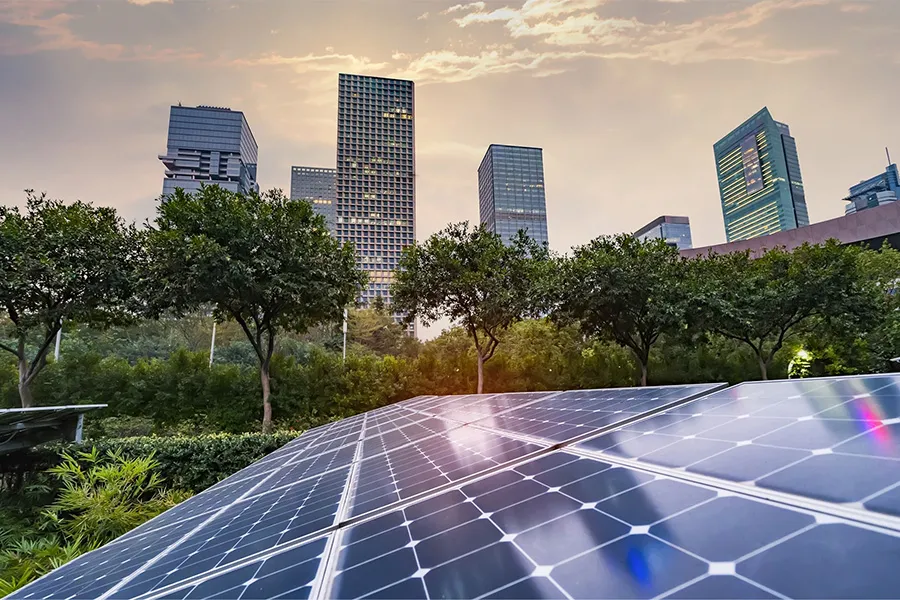
Electricity 4.0 starts with upgrading existing buildings
Improving the energy efficiency of buildings is a crucial step in reducing CO2 emissions. Better still, it offers major opportunities. However, this calls for a complete overhaul of existing infrastructure and energy systems. Schneider Electric supports this vision with smart, energy-efficient solutions.
Schneider Electric is a global leader in digital transformation, energy management and industrial automation. Its integrated process and energy technologies enable efficient energy consumption, cost reductions and the achievement of various sustainability goals. And it is precisely the smart use of energy that plays a major role in reducing CO2 emissions.
“At Schneider Electric, we are convinced that building owners and managers need to act now,” said Hans Smid, Vice-President Digital Energy for Belgium and the Netherlands at Schneider Electric. “Collectively, we need to cut CO2 emissions by 10 to 15 gigatonnes by 2030. We can do this by stepping up our efforts in areas such as digitalisation, electrification and renewable energy.
The energy transition will drive a sharp increase in electricity demand by 2050. We estimate that it will be three times higher than the amount consumed in 2018. To ensure energy security, the reliability of our energy infrastructure is a key issue. Outages disrupt day-to-day operations, while rising energy costs feed through into operating costs. With IoT devices equipped with powerful analytics tools, you can optimise energy performance. We expect the number of these devices in buildings to be three times higher by 2030 than in 2020.”
Digitalisation and electrification
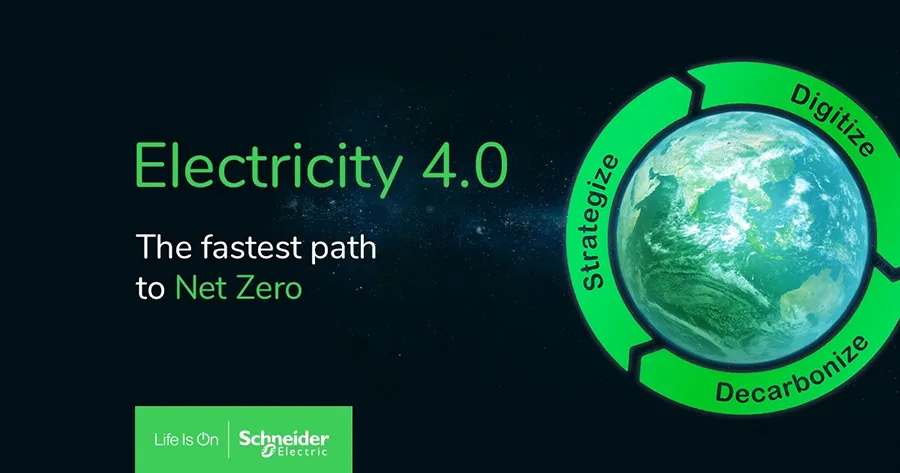
All the points mentioned above call for suitable, innovative solutions. That is why Schneider Electric is focusing on what it calls Electricity 4.0: sustainable, smart energy that addresses climate change and the energy crisis. This means decarbonising the electricity supply to buildings. “Electrification using renewable sources can replace fossil fuels and make energy cleaner, but we also need to consider the other side of the coin,” Hans acknowledges. “Our homes, businesses and transport systems must follow this sustainable path. To do so, we need to avoid wasting energy and promote the efficient use of the energy available. We should no longer view energy as a product, but as a service.”
For example, businesses could install microgrids to manage energy storage, supply and demand, and the load on the grid. This involves combining digitalisation and electrification with IoT, big data and artificial intelligence. “This gives us real-time information and the ability to regulate systems. It also enables us to identify sources of CO2 emissions and replace them with cleaner energy.”
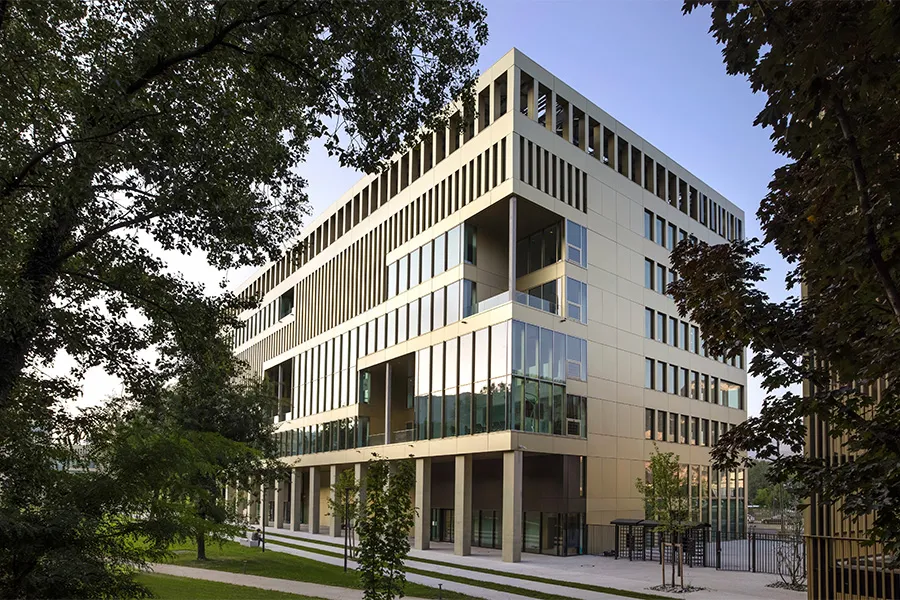
Opportunities in existing buildings
According to Schneider Electric, the greatest potential lies in existing buildings. They currently account for 37% of global CO2 emissions. New projects are designed with sustainability in mind, but the best opportunities to improve energy efficiency are in existing buildings. “We find that 30% of building-related CO2 emissions are due to the construction materials used and poor performance. The other 70% comes from fossil fuels and a lack of renewable or electrical energy,” explains Hans Smid. “Renovation generates fewer carbon emissions than new construction and contributes to the circularity of the materials and the CO2 they absorb throughout their life cycle. That is why, at Schneider Electric, we consider it the best solution. With our 250 years of experience in technological development, we know that the technology is available to us to reduce CO2 emissions by 70% and switch to smart energy. This is the boost we need to meet the 2030 climate targets.”
Een zakelijke vraag aan Schneider Electric? Get in touch
Companies in this story

Keep following this
Get an email when a new story is published. No account needed.
- SubjectNews
- CompanySchneider Electric







