











R33 passes full-scale test with flying colours
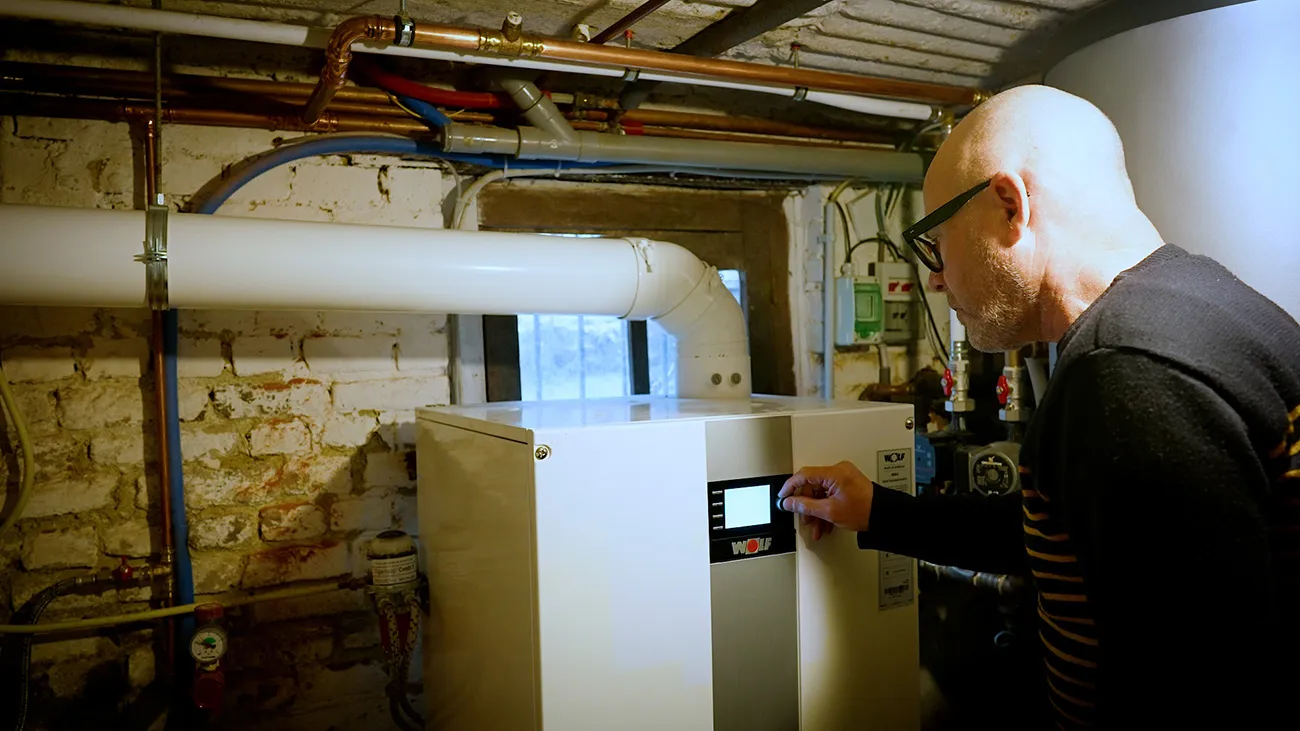
For almost a year, R33 has been used in 15 residential heating systems. The test results are unanimous: this blend of 10 ppm heating oil, HVO and FAME is suitable for heating systems less than 20 years old.
A panel of 15 installations
In 2021, 15 installations were selected from nearly 1,500 applications to take part in the test campaign. The selection included low-temperature and condensing boilers from different brands, all installed between 2006 and 2021. The selected owners began receiving deliveries in summer 2021. As a reminder, the R33 blend, tested by an independent laboratory, consists of 67% 10 ppm diesel fuel (NBN EN 590) and 33% low-carbon fuel, namely 26% HVO (NBN EN 15940) and 7% FAME (NBN EN 14514).
Conclusive inspections
Nearly a year later, in summer 2022, the 15 installations were inspected to compare their performance with R33 and conventional heating oil. The condition of each installation and its combustion parameters were the main focus. No fuel-related heating failures were recorded during this period. There were also no technical problems with the pipes, pumps, filters or flues. The boilers’ combustion readings also remained within the relevant regional environmental limits.

Reducing CO2 emissions
Compared with conventional heating oil, R33 cuts CO2 emissions by one third: conventional heating oil emits 267 g CO2eq/kWh (Hi), whereas the R33 used in this test campaign emits just 187 g CO2eq/kWh (Hi). For reference, based on annual consumption of 2,000 litres, R33 produces 3.74 tonnes of CO2 equivalent, compared with 5.34 tonnes for fossil heating oil. The 15 installations tested therefore saved a total of 24 tonnes of CO2 equivalent. In Belgium, nearly 1.5 million households could use R33, potentially reducing emissions by 2.4 million tonnes of CO2 (based on annual consumption of 2,000 litres).
R33 can therefore replace heating oil in boilers less than 20 years old overnight, with no technical modifications or tank cleaning required. Informazout has demonstrated that R33 works in existing oil-fired boilers. The next step is to establish a legal and fiscal framework for bringing R33 to market. In terms of fuel standards, R33 could be incorporated into the existing heating fuel standard NBN T 72-716, following the example of its Swiss counterpart, B30, in standard SN 181160. A robust and transparent legal and fiscal framework must also be established, including approval of a list of boilers endorsed by manufacturers, or even authorisation for all boilers, and tax incentives to accelerate the decarbonisation of oil-fired heating. Low-carbon fuels are the future of the sector.
Question about this story? Ask your question
Keep following this
Get an email when a new story is published. No account needed.
- ThemeAlternative heating and cooling
- SubjectNews







