











Energy transition: biomass boilers, a sustainable heating solution
Texte KDV - Language & More | Photos Freepik + Pixabay

The energy transition, a priority for Belgium’s future, means major changes to the way we heat our buildings. While each region adopts strategies tailored to its own circumstances, one common goal remains: reducing dependence on fossil fuels and promoting sustainable solutions.
In Flanders, Brussels and Wallonia, the phased bans on gas and oil-fired boilers mark the beginning of a profound transformation. These new measures pave the way for greener energy alternatives, including biomass boilers, which use renewable resources to provide heat. Although each region is following its own timetable, adopting technologies such as biomass boilers is emerging as a key solution for meeting climate targets while ensuring a smooth energy transition.
A regional energy transition tailored to local needs
Belgium’s regions share a common ambition for the energy transition, but each adapts its measures to its own circumstances. In Flanders, since 1st January 2025, new buildings, whether residential or not, can no longer be connected to the natural gas network. In Brussels, the ban on gas boilers in new residential buildings has also been in force since January 2025. In Wallonia, however, contrary to what was initially planned under the PACE, the ban will follow a revised timetable.
What explains the regional difference? Cécile Neven, Minister for Energy, the Air-Climate Plan, Housing and Airports in the Walloon Government, justifies the decision on grounds of feasibility: “Around 40% of Walloon households still heat their homes with oil, and many older buildings are not suitable for other solutions without improved insulation.
These measures have been postponed because of the difficulties associated with energy poverty and the capacity of the electricity grid.”
PACE 2030: an ambitious plan for Wallonia’s energy future
Wallonia’s Air-Climate-Energy Plan 2030 (PACE 2030) is a roadmap for meeting European and international climate and energy obligations. An ambitious plan, it aims to cut greenhouse gas emissions by 55% by 2030, compared with 1990 levels. It focuses on energy efficiency, the rollout of renewable energy and improved air quality. PACE sets out practical measures for key sectors such as construction, transport and industry, to support a sustainable
and low-carbon energy transition.
Biomass boilers: an ecological and sustainable solution
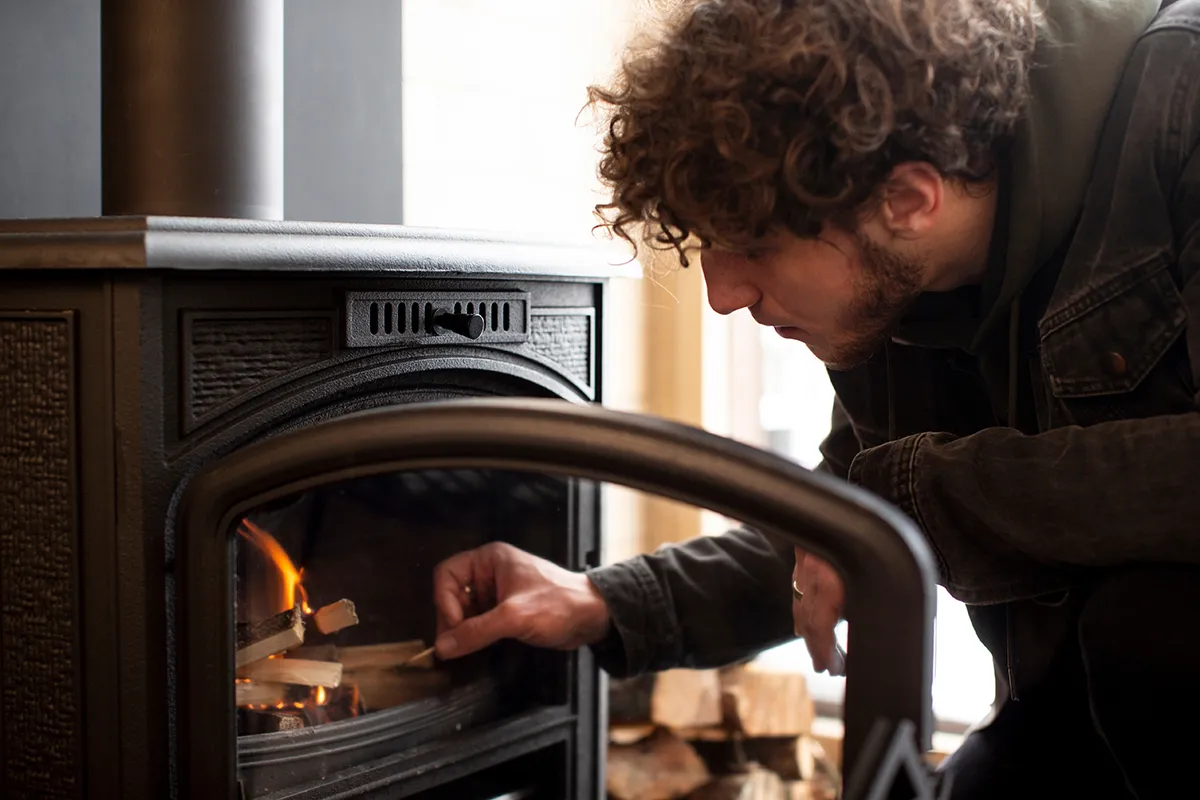
The measures taken by Belgium’s different regions share a common goal: reducing dependence on fossil fuels and promoting environmentally friendly heating alternatives. Among these solutions, biomass boilers, which use renewable organic materials, stand out as a credible and sustainable option. They meet energy needs while supporting the climate targets of the regions and Europe. Biomass boilers generate heat by burning materials such as wood, wood pellets or agricultural residues.
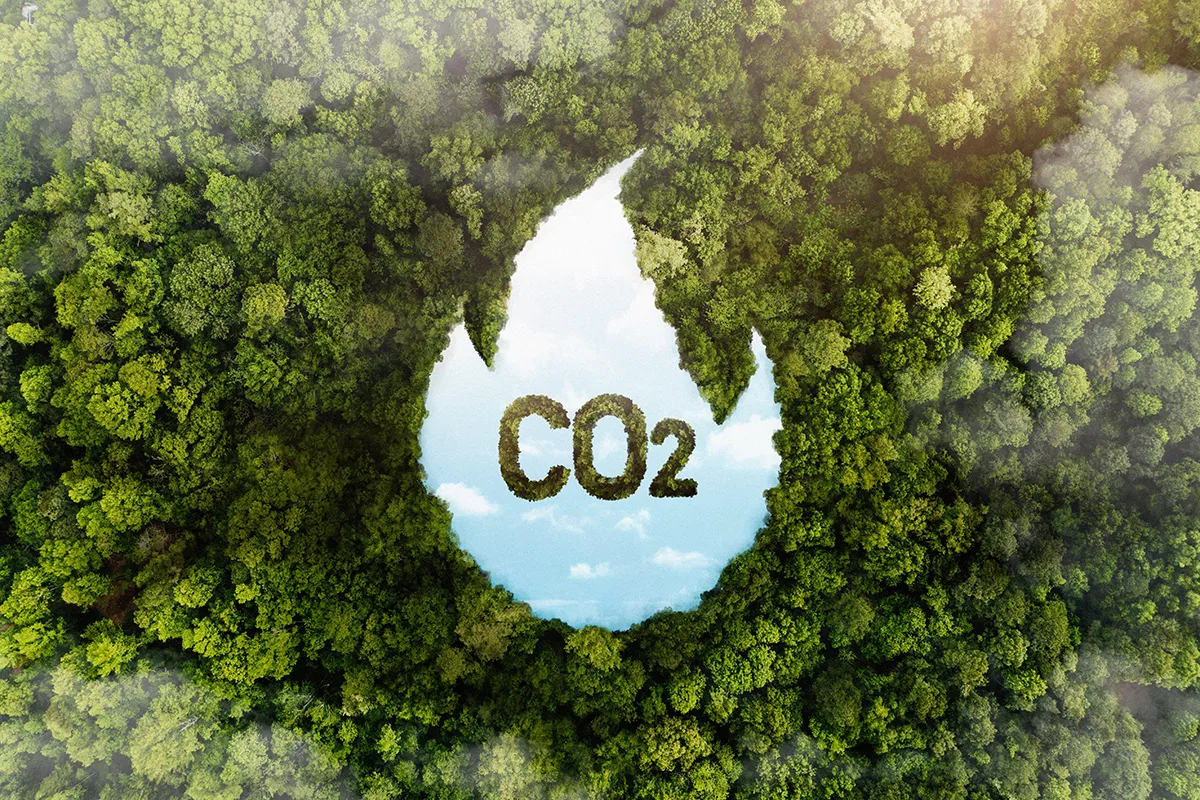
Unlike fossil fuels, biomass is a renewable resource. The amount of CO2 released during combustion is equivalent to the amount absorbed by plants as they grow, making the system carbon neutral. Modern boilers are also designed to limit pollutant emissions, helping to improve air quality while providing an alternative to natural gas.
A cost-effective option in the long term
The initial cost of a biomass boiler may seem high compared with traditional systems, but it quickly becomes an advantageous option over the long term. Fuels such as wood pellets and logs are often cheaper than gas or oil, and their prices are generally more stable. In Belgium, financial incentives, including installation grants and tax reductions, are available to encourage people to adopt heating technologies with a low environmental impact. This support makes biomass boilers more accessible and improves their cost-effectiveness.
Solutions for different settings
Biomass boilers are highly flexible and can be adapted to a range of needs. For individual households, wood pellet boilers are ideal for keeping warm while optimising energy consumption. For larger facilities, such as schools, public buildings and hospitals, wood-chip or industrial biomass boilers are a first-choice option.
Their ability to meet specific needs makes biomass boilers an essential solution for both private and public-sector organisations.
Biomass boilers play a key role in the energy transition
Belgium’s energy reforms are based on measures tailored to regional circumstances. The shared goal is to reduce dependence on fossil fuels. In this context, biomass boilers are emerging as a sustainable, environmentally friendly and economically viable solution. By using renewable resources and reducing carbon impact, they meet climate requirements while providing an effective alternative to traditional systems. Their installation flexibility makes biomass boilers a key response to energy challenges, helping to create a greener, more sustainable future.
Question about this story? Ask your question
Keep following this
Get an email when a new story is published. No account needed.
- ThemeAlternative heating and cooling
- SubjectNews







