Drinking water in buildings: towards a sustainable approach?
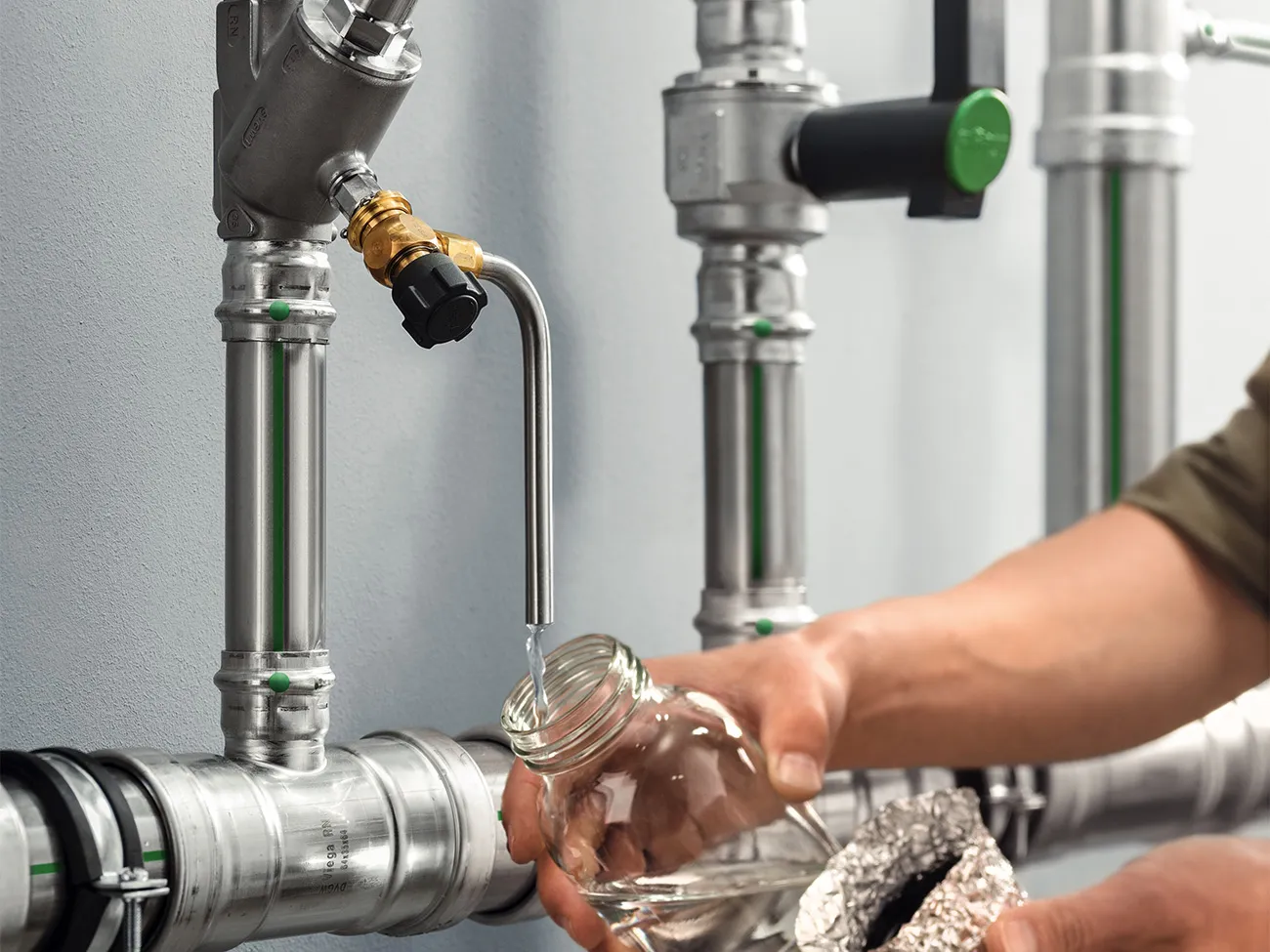
Drinking water presents us with challenges and inspires solutions, both today and tomorrow. To mark World Water Day, Viega looks at the current state of play in collaboration with researchers from Ghent University. “Closer collaboration between researchers and the construction sector is key to preserving drinking water quality and reducing energy consumption. Good installation design, system management and materials remain our best tools for now, but they require constant attention.”
Nothing seems more natural than a cool glass of tap water or a delightfully hot shower. And yet… Drinking water is becoming scarce, partly as a result of climate change, while problems with our energy supply regularly make the headlines. Biological or chemical contamination is also always a possibility. In short, a comprehensive, sustainable approach is needed to ensure the safety of drinking water, while also ensuring that heating or cooling it takes as little energy as possible. And that is where the problem lies.
Closer collaboration for a sustainable future
“As a manufacturer of sanitary systems, we are firmly committed to research and development. In this respect, we value the contribution of specialists such as UGent postdoctoral researchers Elisa Van Kenhove and Lien De Backer, who are conducting scientific research into legionella in hot and cold water systems. This enables us to build on our expertise and, in turn, inform and train installers, engineering firms and architects. It makes sense: ultimately, they are the ones who have to make the right choices on site,” explains Jo Devos, Marketing Manager at Viega Belgium.
Elisa Van Kenhove, civil engineer-architect: “As independent researchers, we can devote time to research without commercial pressure. Such collaborations, transparency between companies and research institutes, and communication are vital if we are to meet tomorrow’s challenges. There is still a long way to go, but we have taken the first steps.”
What are the specific threats to drinking water?
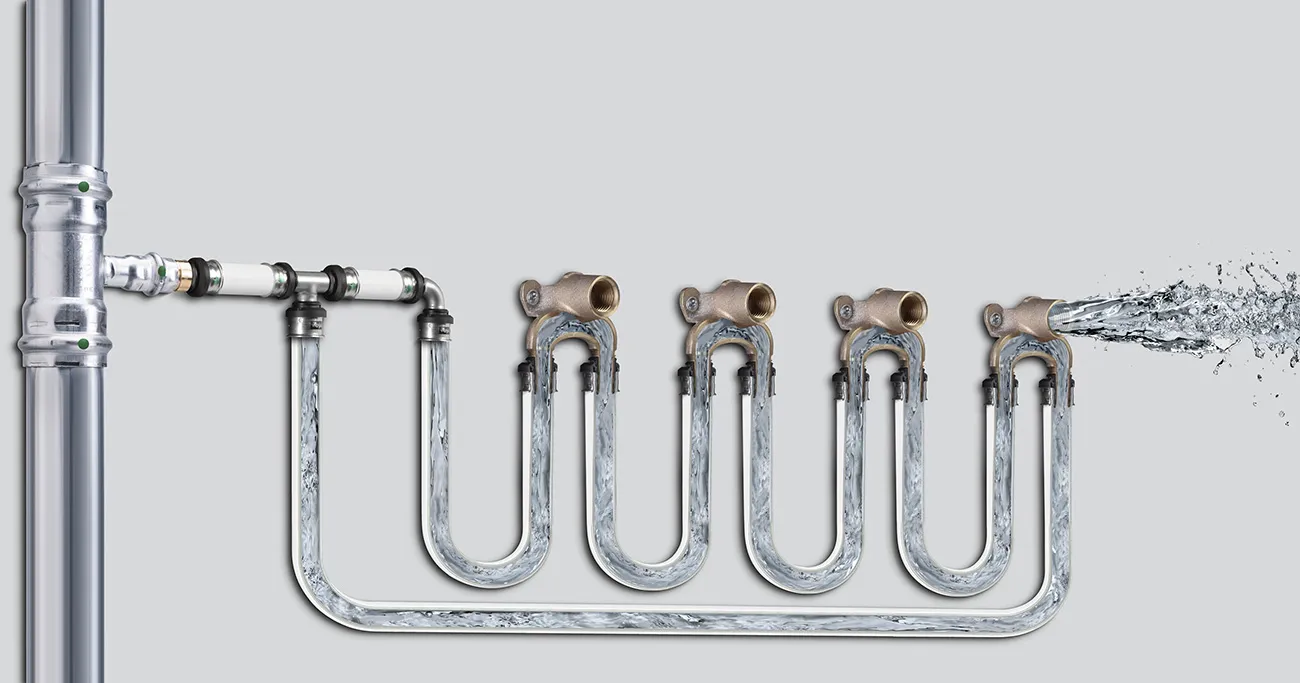
When it comes to water contamination, temperature (between 20° and 55°C), stagnation and pressure losses are the main problems to address. These factors allow harmful micro-organisms to multiply in pipes. The scarcity of rainwater and groundwater, as well as expensive energy, are relatively new challenges, but they are closely linked to drinking water.
Elisa Van Kenhove: “Water is the source of all life. It literally contains a lot of life itself. Good bacteria and harmful bacteria, including legionella, enter our buildings in this way. To eliminate them, we constantly heat the water to 60°C, which of course takes a lot of energy. Yet the water coming out of a hot tap is generally only 38°C. There is plenty of room for improvement in this area. The scope for optimisation is considerable. And that is without even considering distribution losses along the way, from the tank to the taps. We need to break this vicious circle.”
Lien De Backer, industrial engineer: “Plant rooms are also getting hotter, which means demand for cooling is set to increase. Cooling and heating both consume a great deal of energy. We want to move towards sustainable hot water production without compromising safety or quality. Low-temperature heating is therefore the future, but a number of conditions must be met. With a poorly designed system, you will always have problems with legionella.”
The basic requirements for good design
To save drinking water, the first step is to use water-efficient appliances and taps, such as a water-saving shower head. To prevent contamination, the system should contain as little stagnant water as possible and should not be oversized. There must be sufficient water flow and turnover to prevent high concentrations of harmful micro-organisms. Elisa Van Kenhove: “The challenge is to achieve this at low temperatures without adding chemicals. Tackling it is part of the research we are conducting.”
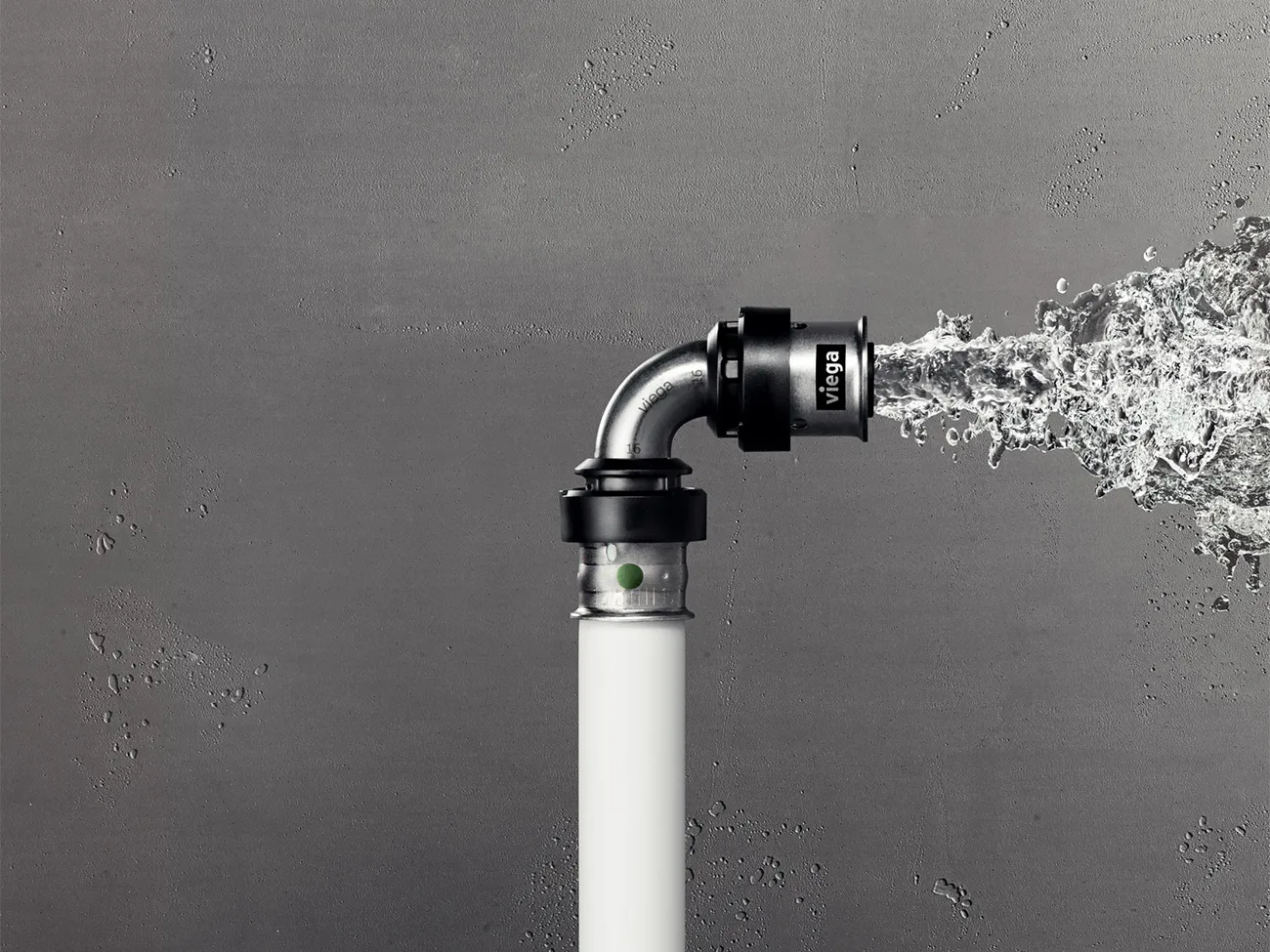
Jo Devos: “By using connection bends instead of fittings, we significantly reduce pressure losses while improving the flow rate. This means the pipe can be sized smaller, saving water. Also remember to use good-quality materials that do not release harmful substances such as nickel, lead or iron into the water.”
Raising awareness
Lien De Backer: “The current focus is on insulation and ventilation. Quite rightly, but the construction sector should also become more aware of drinking water issues. Water leaks, for example, often go unnoticed. We see a building as a whole and therefore advocate integrated concepts. Too many people still work in silos. It would be good for manufacturers to work together more closely. BIM is a step in the right direction. Using our hydraulic and biological models and simulations, we can help predict long-term impacts.”
Jo Devos concludes: “That is exactly why partnerships between companies such as Viega and universities are so valuable. We are currently developing a tool for a universal specification that can guide engineering firms and architects in designing for the future and choosing the right materials. A simple example: what type of pipe system should you choose? It needs to do more than transport water: it must also be able to withstand thermal disinfection at 70°C, for example. These are the points we want to explain to specifiers and installers and raise their awareness of.”
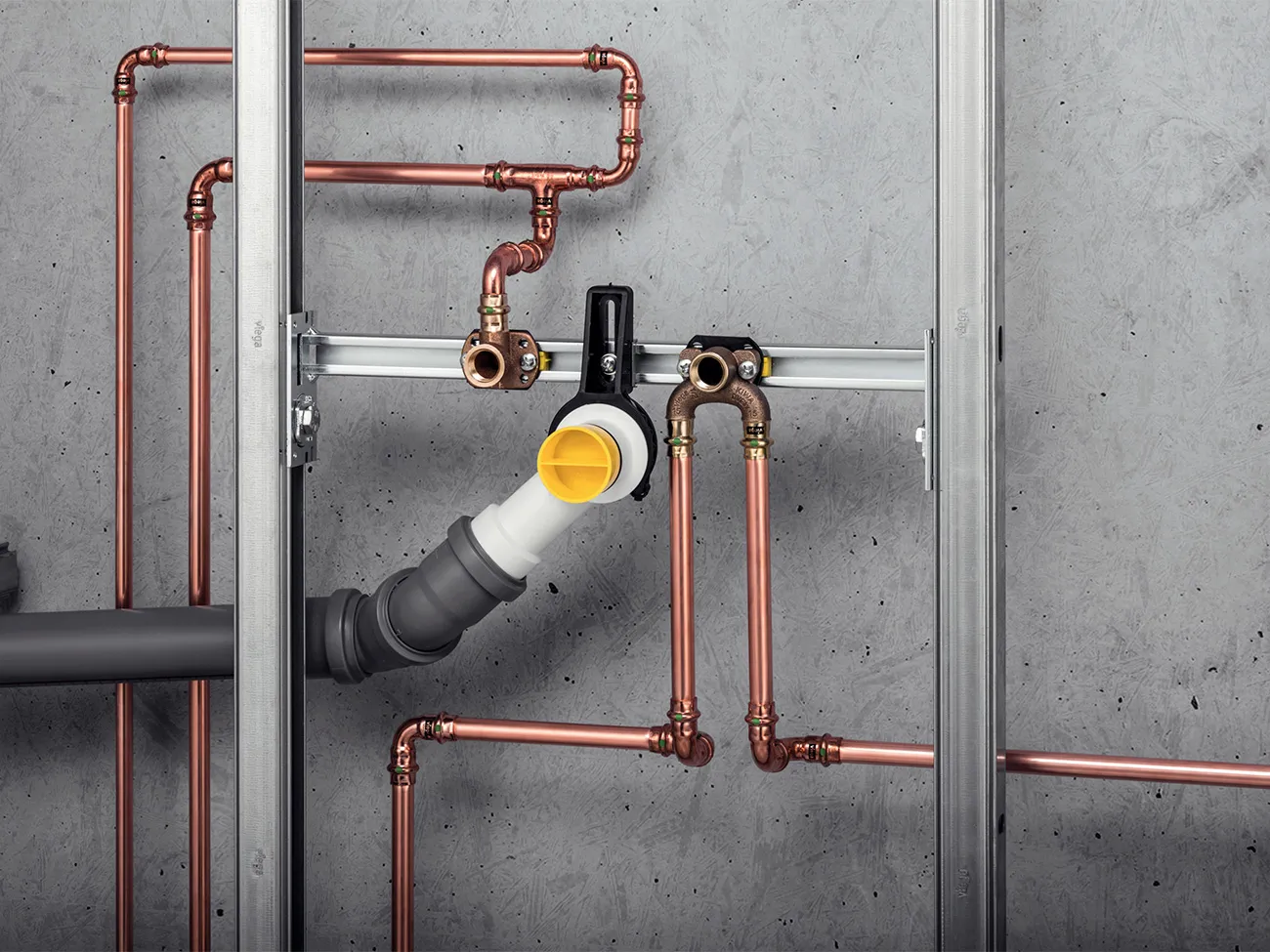
Viega innovates: saving water and energy in large buildings
The Viega Smartloop Inliner system has been specially designed for large buildings. Its main innovation is the integration of the internal return pipe, made of polybutene, into the 28 mm copper hot water riser. As the water cools much less, each floor benefits from improved energy management. In multi-storey buildings, this technology can reduce heat losses by 30%, saving the corresponding amount of energy. In addition, hot water in the pipe is continuously returned to the heating system from the last tee on the riser. This ensures that each branch on every floor always has a sufficient volume of hot water, without costly water losses.
Question about this story? Ask your question
Companies in this story
Keep following this
Get an email when a new story is published. No account needed.
- ThemeBetter domestic water management
- SubjectNews
- CompanyViega