











Biomethane is booming
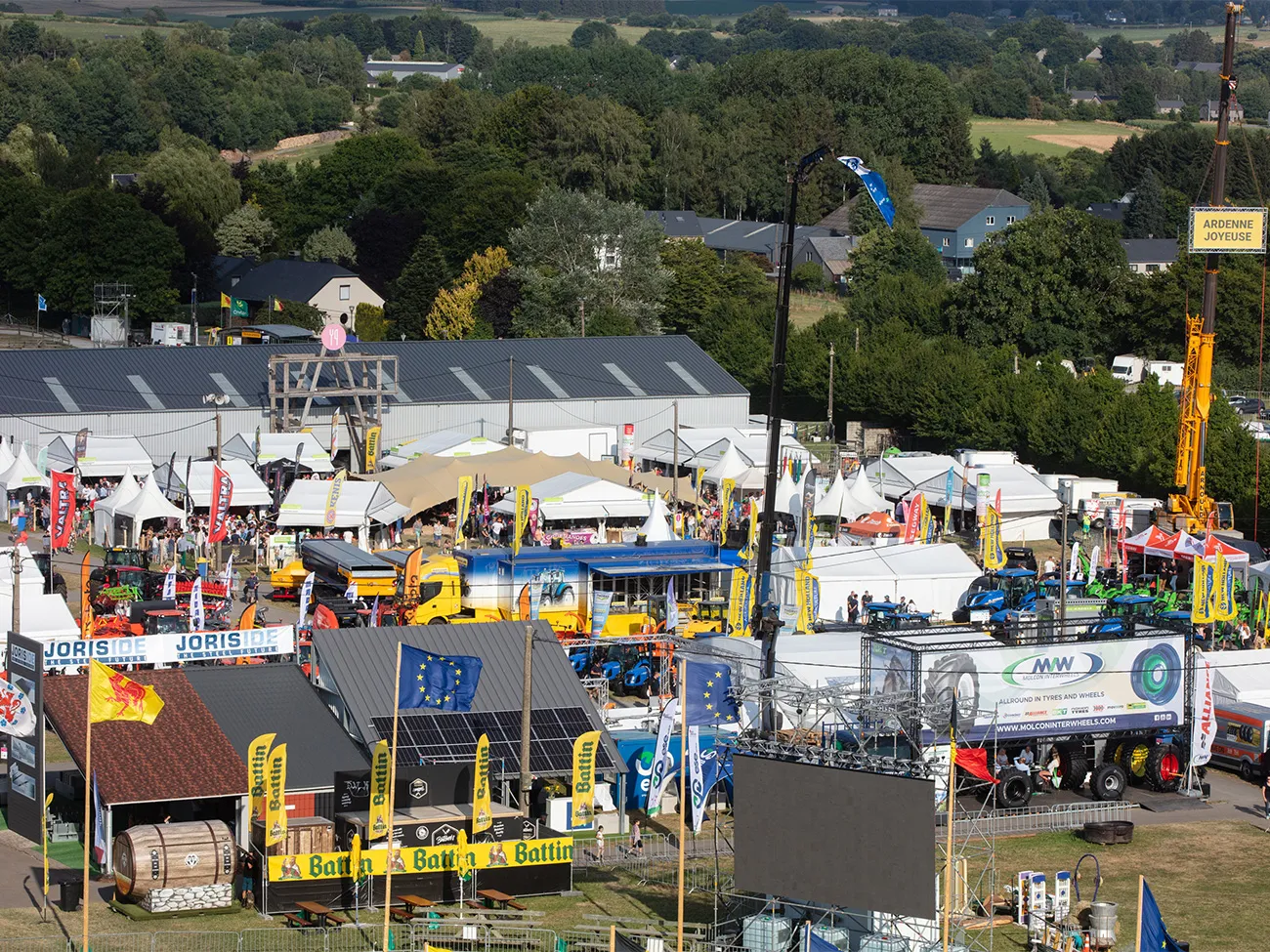
As energy prices rise and climate challenges intensify, interest in “green” gases continues to grow. One such gas is biomethane, produced from agricultural residues and used to generate circular energy. This was also evident at the Libramont Agricultural Fair.
Valbiom, the Walloon organisation promoting innovative applications for biomass, supports this form of green energy. Bertrand Auquière of Valbiom explains: “Everyone is aware that the energy landscape has changed considerably. Producing biogas is now much more attractive because natural gas prices have risen sharply in recent times. We also believe there is political support and considerable enthusiasm for biomethanisation. When farmers or businesses have questions about biomethane, they often turn to an independent service or adviser. We assess the project and help the entrepreneur make the right choices.”
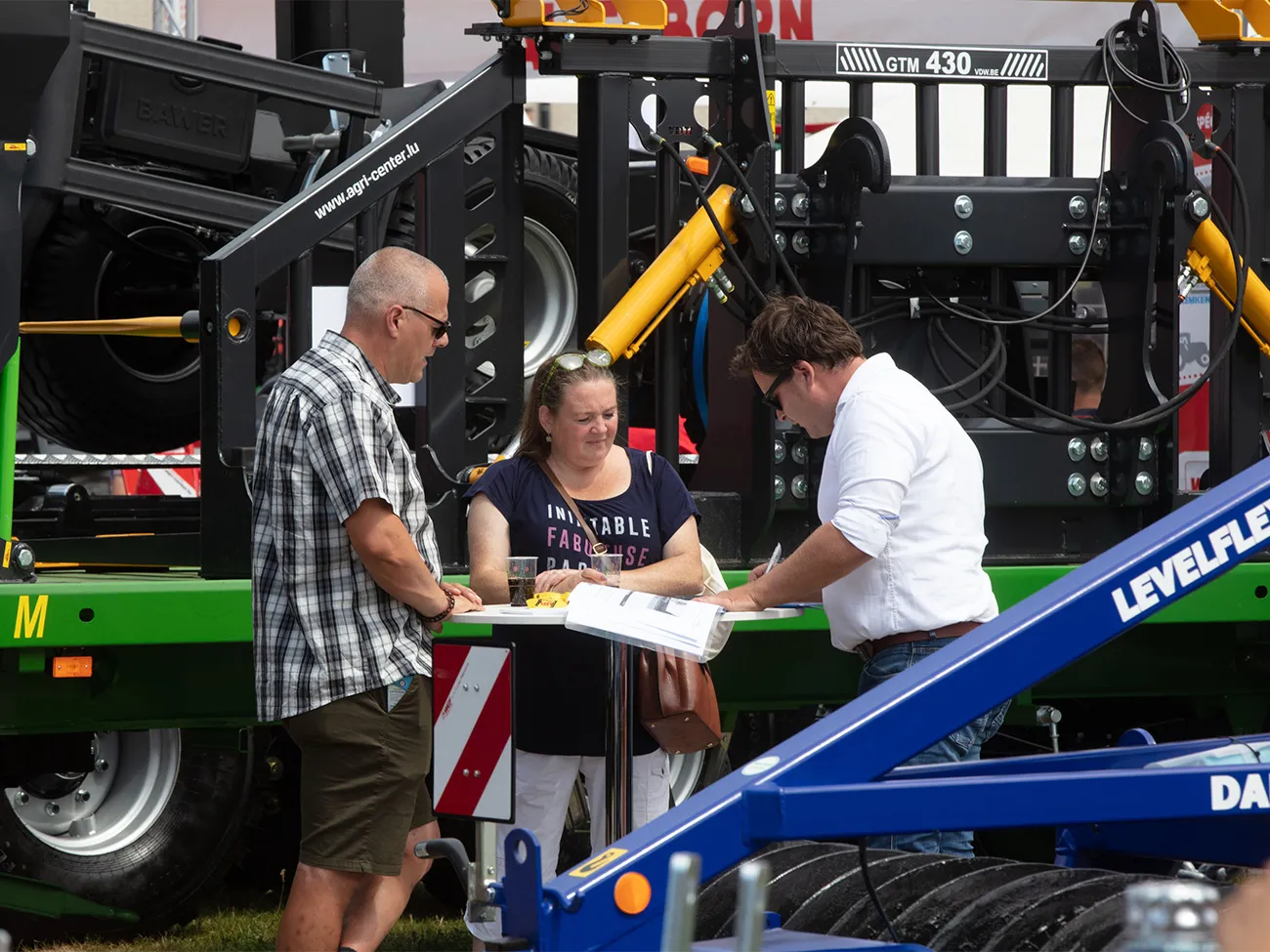
The Fédération des biométhaniseurs agricoles (FEBA) ensures that available technological expertise and regulatory information are accessible to all interested parties. “Project developers usually come to FEBA or an organisation such as Valbiom to assess feasibility and understand how it works,” explains Julien Pozza of FEBA. “They then visit our members’ facilities to see first-hand what they are taking on. At that point, as a member of our federation, they can draw on the support of all our members to develop their project as effectively as possible. This is important, as it takes at least one to two years to complete a project of this kind.”
First CNG-powered tractor
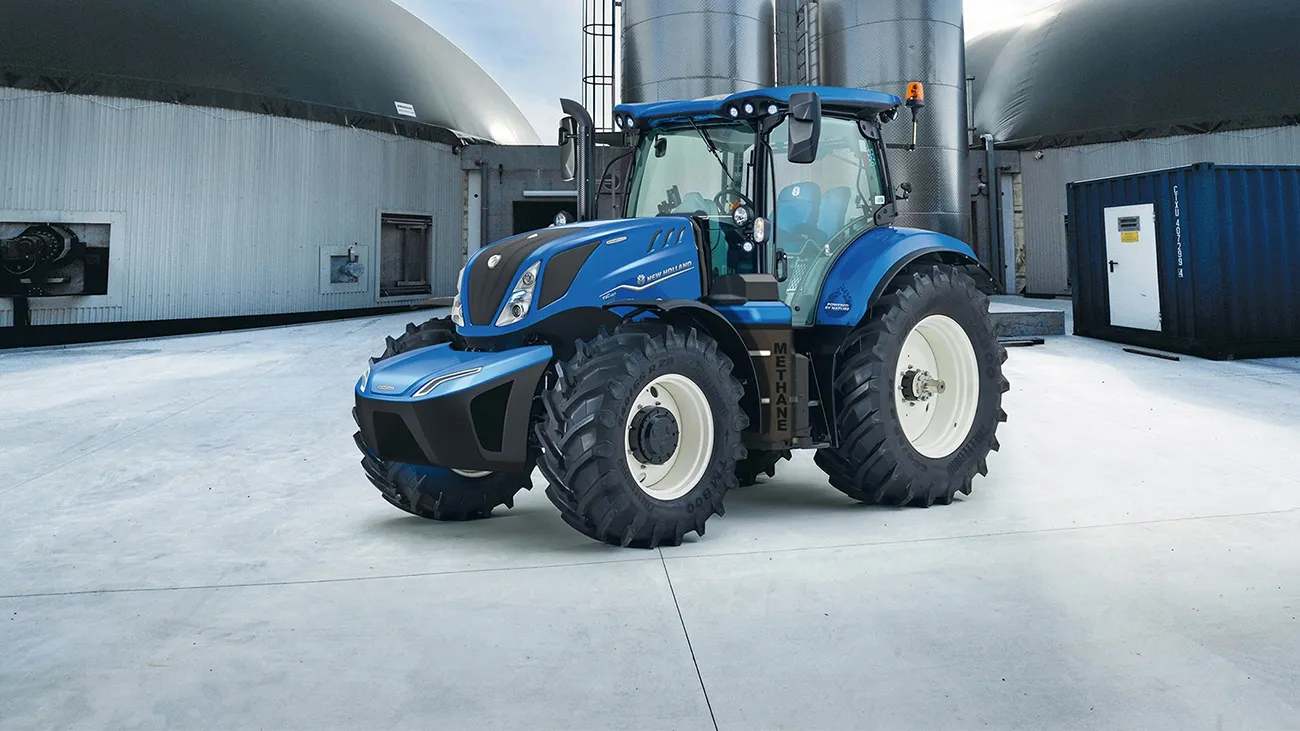
Agricultural vehicle manufacturers are responding to recent developments, as seen at the Libramont Agricultural Fair. New Holland presented the first tractor fitted with a CNG engine. Jan De Graef of New Holland explains: “New Holland has been looking for targeted solutions for a long time. This even led to the development of a tractor powered by biomethane. We also offer systems that enable customers to produce their own biomethane. It is the right choice when energy independence is so crucial today.”
Local collaboration is essential to the success of a biomethanisation project. Walvert is an SME that helps farmers, public authorities and businesses assess the potential and develop practical projects. Jonathan Blondeel of Walvert says: “We want to develop medium-sized projects at municipal level and thereby contribute to the energy transition. Our advice is to ask for help and not hesitate to get your biomethanisation project off the ground. There is room for everyone. Biomass is readily available but remains underused.”
A study to map the potential
A recent study by the Gas for Climate consortium confirms the potential for biomethane production in EU member states. It shows that the EU-27 has sufficient renewable feedstock to meet the REPowerEU target for 2030 (35 billion m3). According to the study, up to 41 billion m3 of biomethane could be available by 2030 and 151 billion m3 by 2050. This is significant, given that current EU gas consumption (2020) stands at 400 billion m3, of which 155 billion m3 is imported from Russia.
Biomethane can therefore play an important role in meeting the EU’s 2030 greenhouse gas reduction target and achieving net zero emissions by 2050. It can also strengthen Europe’s energy security by reducing dependence on Russian gas and partly ease pressure on energy costs for households and businesses. Achieving this will require significant economies of scale in both the short and long term.
Een zakelijke vraag aan Gas.be? Get in touch
Companies in this story
Keep following this
Get an email when a new story is published. No account needed.
- SubjectNews
- CompanyGas.be







