Real added value for buildings and their occupants
Texte & photos Swegon

Demand-controlled ventilation
Investing in a demand-controlled ventilation system often costs more than opting for a constant-volume ventilation solution. However, the higher initial investment brings lower operating costs and a higher property value, while also increasing the productivity of the people in the building. Swegon says it is therefore worth investing in demand-controlled indoor climate control, which quickly proves more cost-effective than constant-volume ventilation.
Higher productivity, lower operating costs
One factor that is often overlooked when discussing investment and savings is the productivity of the people in the building. Indoor climate is closely linked to human wellbeing and performance. With a demand-controlled system, you can tailor the indoor climate to individual needs, which has a positive effect on performance.
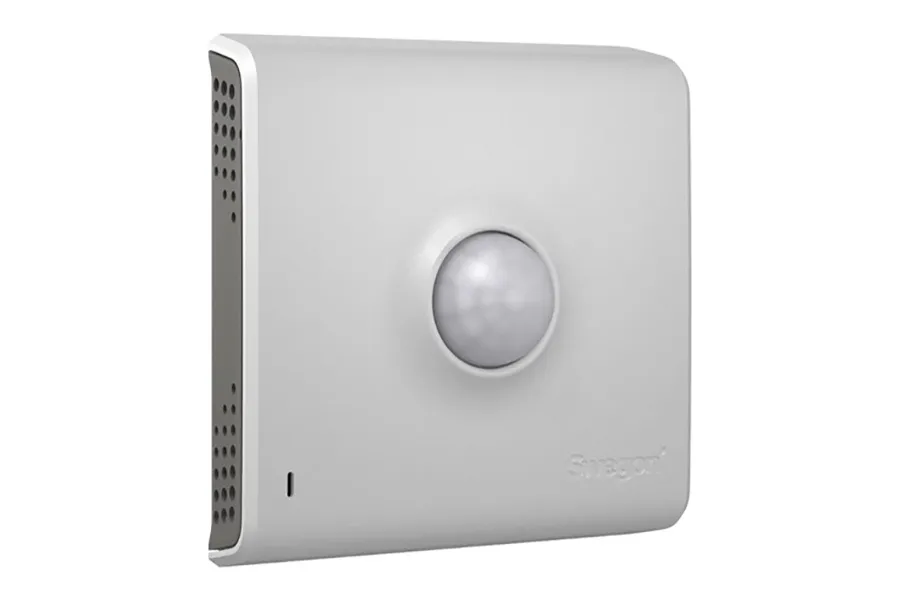
A demand-controlled indoor climate system also offers many opportunities to reduce operating costs. Sensors measure and control the indoor climate according to precise requirements, avoiding waste in both environmental and economic terms.
A long-term investment that increases building value
A demand-controlled climate system generally requires a higher investment than constant-volume ventilation. However, achieving an acceptable level of comfort with the latter solution may prove more costly in the long term because of its lack of energy efficiency and flexibility.
Demand-controlled indoor climate is energy-efficient because the system supplies exactly what is needed. It ventilates, cools and heats neither too much, which wastes energy, nor too little, which harms comfort, but only as much as required.
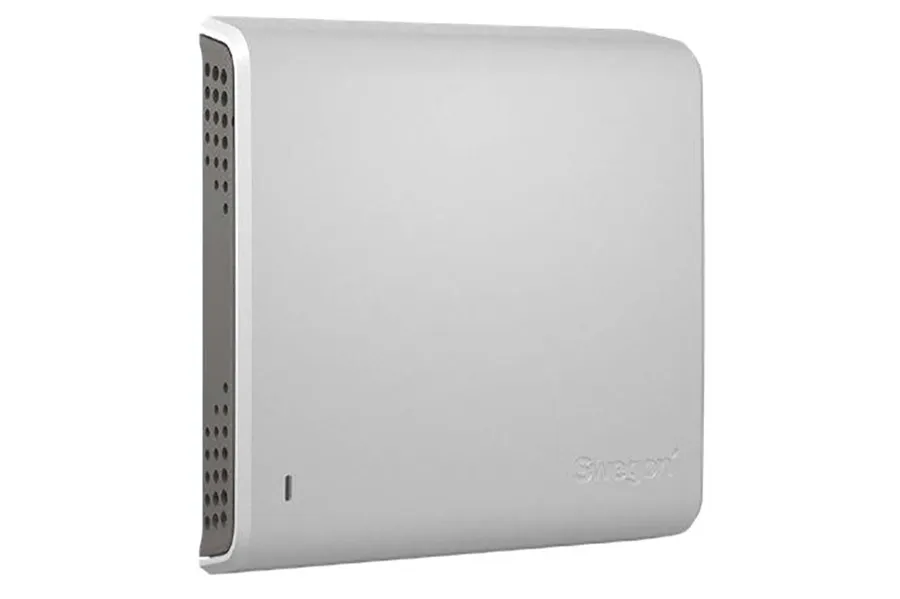
A system with wireless communication will also be more flexible, and installation time will be significantly reduced. The installer will not need to lay cables, eliminating the risk of poor connections. Logistics throughout the installation process will also be simplified, as products will not need to be pre-configured.
Low operating costs and an indoor climate that can be adapted to individual needs are among the many factors that positively influence a property's value. A high rating in various building certification programmes and a high degree of flexibility can also affect a property's value.
Flexibility
A wireless system helps make buildings more flexible by enabling more efficient use of rooms and simplifying renovation and repurposing. If system requirements need to be adjusted, for example when walls are moved or rooms are assigned new functions, the system can easily be modified at little cost.
Swegon WISE
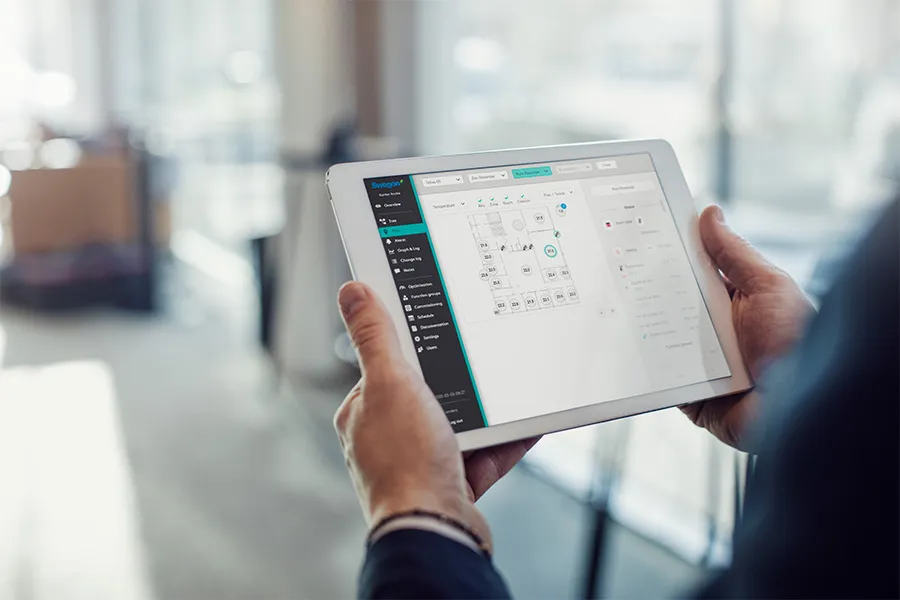
Swegon's WISE system gives you full control over the factors that affect comfort, performance and health. This complete solution for controlling ventilation, heating and cooling systems precisely adapts the indoor climate to your needs. Control is based on measurements of various parameters, including occupancy, air quality, temperature and humidity. When rooms are occupied, WISE creates a pleasant indoor climate. When they are empty, it saves energy.
The WISE system can easily adapt to changing requirements. Its components can change function or be reassigned to different rooms, for example as part of a refurbishment. This can be done without complex, costly rewiring thanks to wireless Mesh communication.
Question about this story? Ask your question
Keep following this
Get an email when a new story is published. No account needed.
- ThemeHealthy indoor air
- SubjectVentilation