Heat pumps: what types are there, and why?
Texte Wouter Polspoel | Photos Pixabay
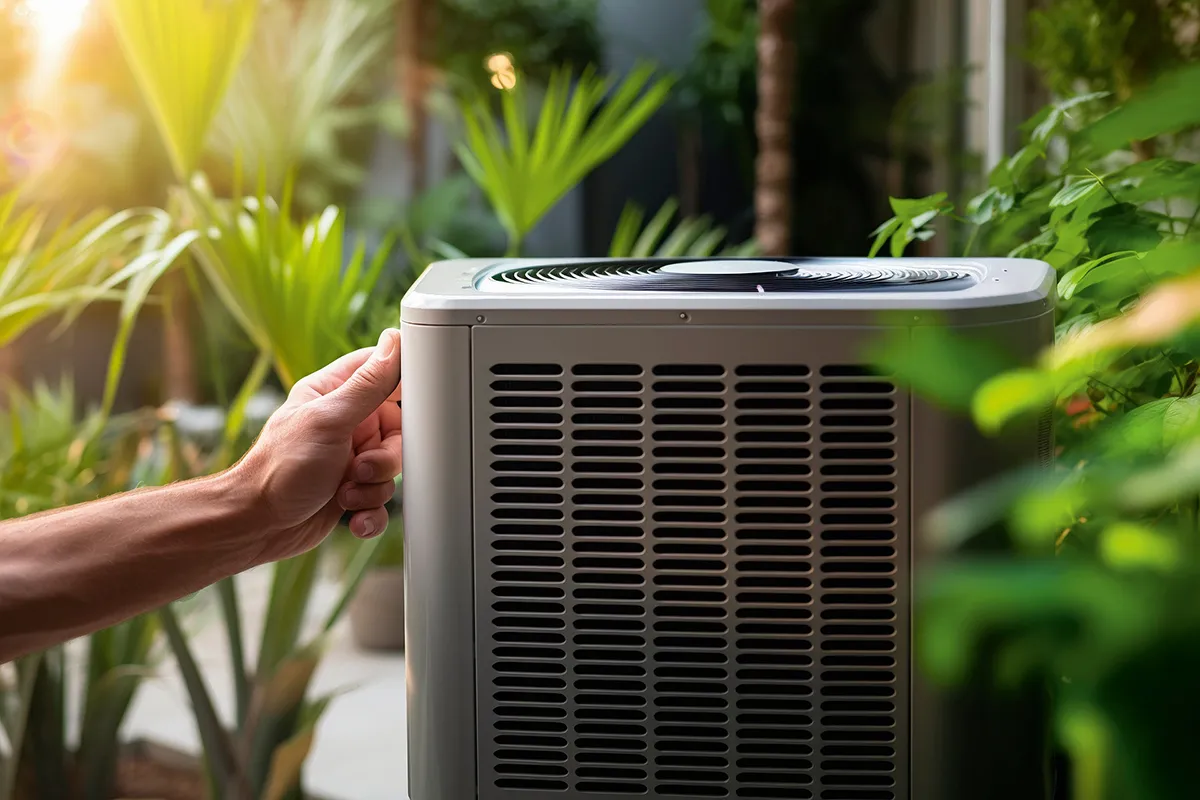
Anyone serious about fossil-free construction cannot ignore heat pumps. Heating and cooling still account for the largest share of buildings’ energy consumption. Yet many building professionals and end users remain uncertain about them. What are the common types of heat pump today? What are their benefits? And how does installing a heat pump differ from installing a fossil-fuel heating or cooling system? It is time to take stock.
Ten years ago, heat pumps were still a niche solution, but today they have become indispensable in the construction sector. In new buildings, choosing a heat pump is the rule rather than the exception. They are also increasingly used in renovation projects, especially where the building is well insulated and suitable for low-temperature heating. Conventional boilers are gradually disappearing. This trend is driven by regulations, such as EPB requirements and subsidy schemes, and social pressure to promote sustainability, as well as technological advances: heat pumps are now more powerful, quieter, smarter and more compact than they were five years ago. They have also become cheaper, although the initial investment and payback period remain factors to consider.
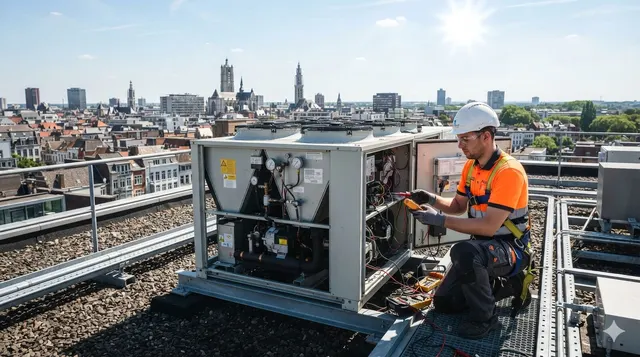
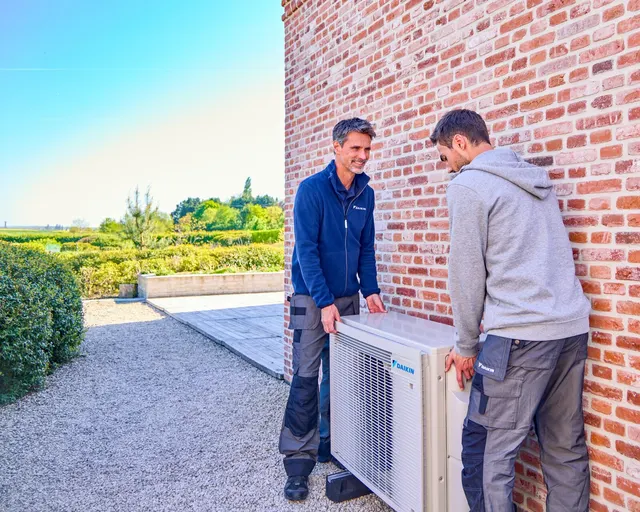
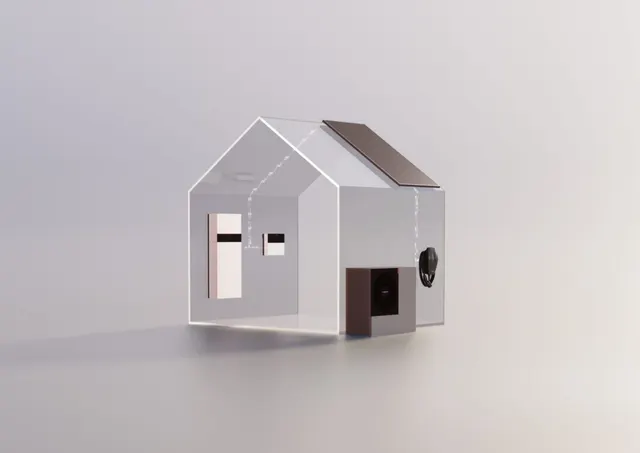
The arrival of heat pumps has required installers to adapt. Not only because the equipment works differently from a fossil-fuel installation, but also because, unlike its fossil-fuel equivalent, a heat pump is not a standalone appliance. Since it runs on electricity, it is one link in an integrated energy system. This calls for a systems-based approach: how do the source, distribution, controls and user behaviour work together?
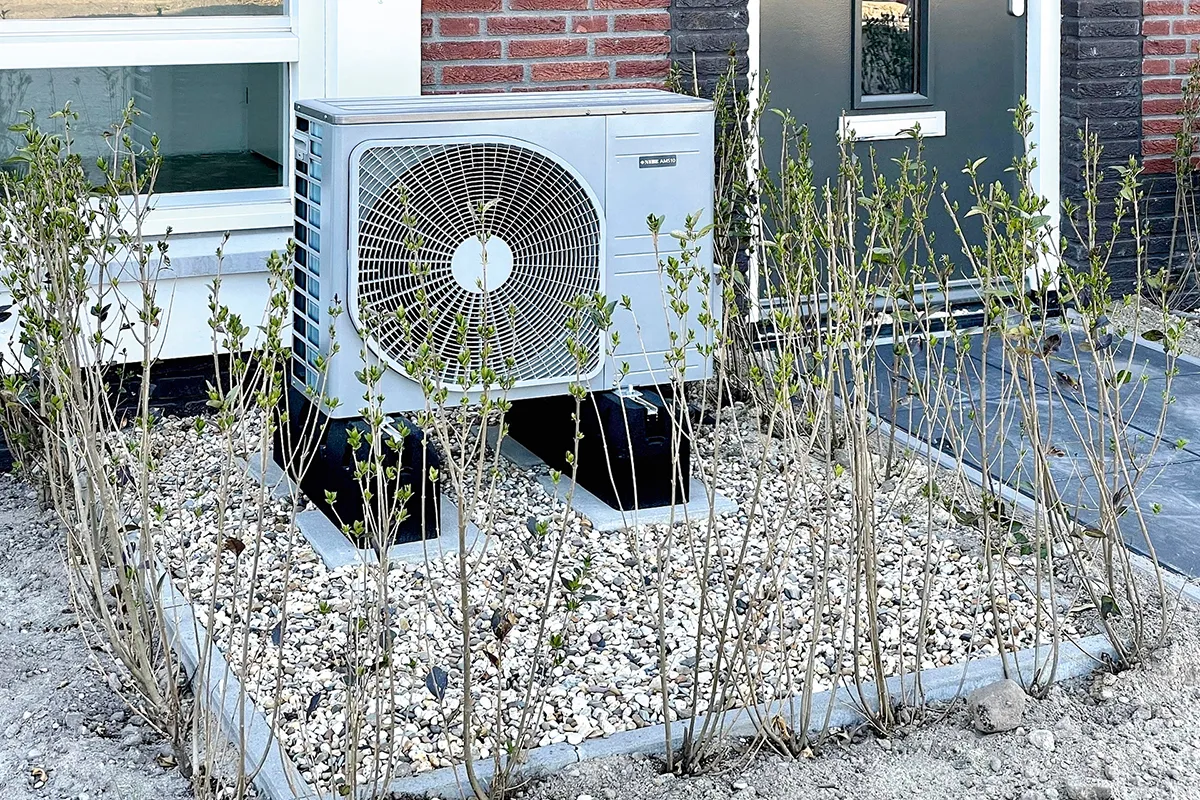
Three main types
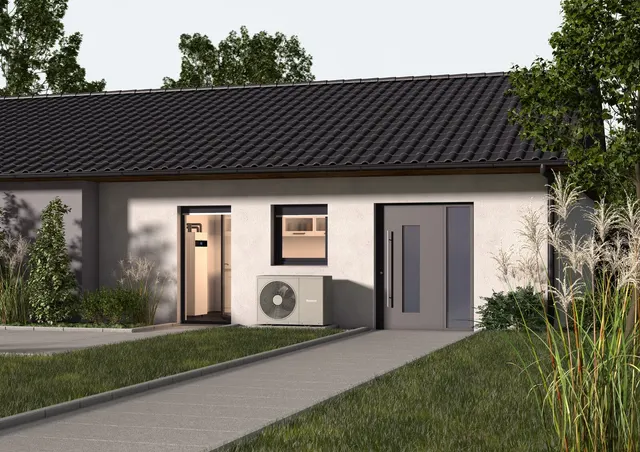
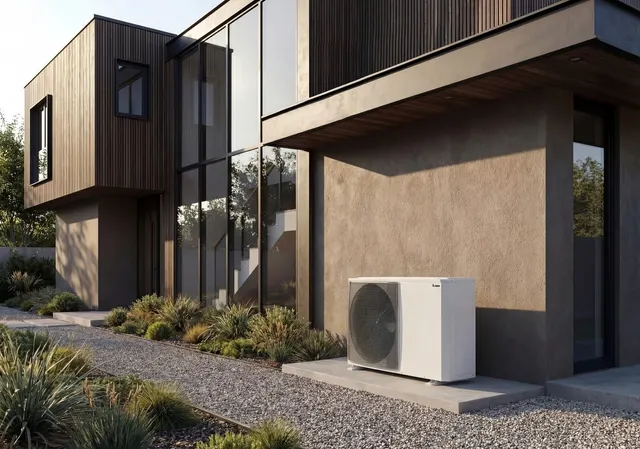
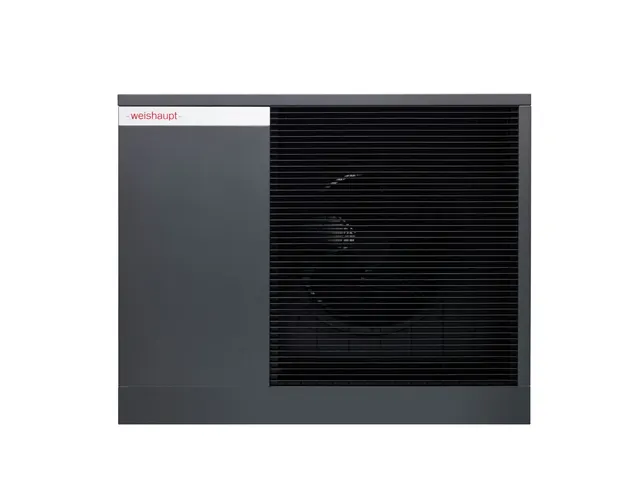
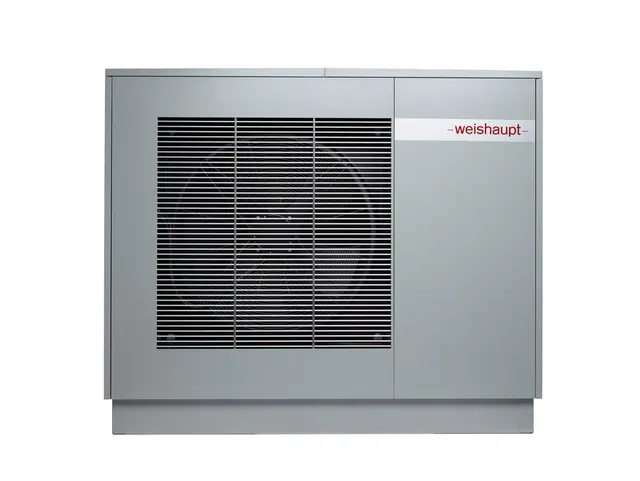
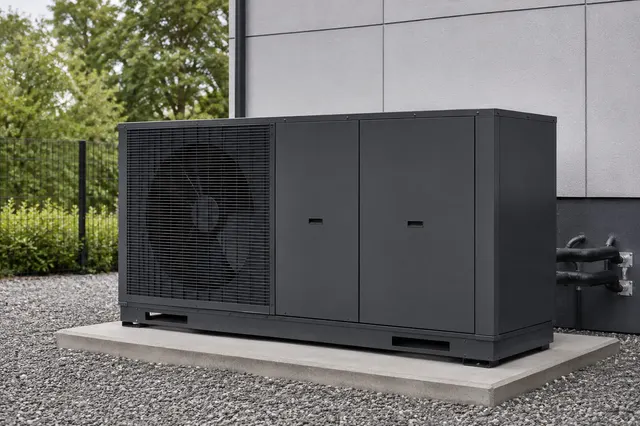
Heat pumps use a compressor and a refrigerant (or heat-transfer fluid) to extract heat from a source and use it to heat a building or domestic hot water. The choice of source is decisive for efficiency, installation complexity and potential applications. Three types predominate. The first is the air-to-water heat pump. It uses electricity to extract heat from the outside air and turn it into heat for central heating or domestic hot water. Thanks to its relatively low installation cost, it is by far the most popular system for residential applications. The downside is that efficiency falls and electricity consumption rises when outdoor temperatures are low. Some units are also noisier in these conditions. An air-to-water heat pump can also provide active cooling. In this mode, the system reverses its operation: the heat pump extracts heat from the building and releases it into the outside air.
The second type is the ground-source heat pump. It uses the stable temperature of the ground as its heat source. This ensures high seasonal efficiency, known as SCOP, and makes the system extremely reliable and quiet. The downsides are the higher cost, the need for drilling and the technical requirements relating to permits and ground conditions. A ground-source heat pump can also cool a building passively by circulating cool water through pipes. Finally, there is the water-to-water heat pump, which extracts heat from groundwater or surface water. This type of heat pump is highly efficient, but the system requires careful design and rigorous permit management. It is therefore mainly used in large projects and commercial applications. A water-to-water heat pump can also cool a building, either actively or passively.
Hybrid heat pump
There is in effect a fourth, widely used type: the hybrid heat pump, particularly common in the renovation market. However, a hybrid heat pump still relies partly on fossil fuels. It combines an electric heat pump with a gas condensing boiler, which automatically takes over when heat demand is high, for example on the coldest days.
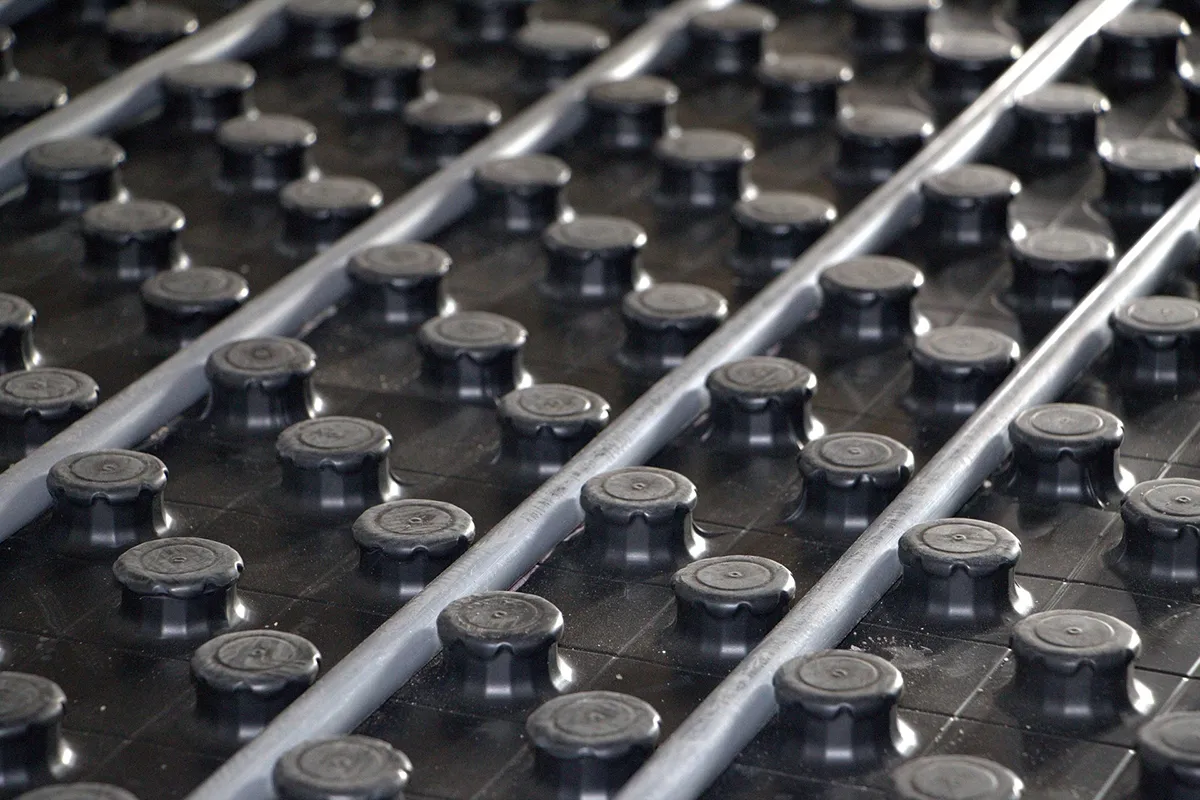
Why is this fourth type needed? Older buildings are often fitted with conventional radiators that require high temperatures, whereas heat pumps work best with low-temperature systems such as low-temperature convectors or underfloor heating. A hybrid system therefore allows older buildings to switch partly to more sustainable heating without major alterations. Cooling is not available as standard with a hybrid heat pump.
Sizing: both overestimated and underestimated
A common mistake is to oversize heat pumps. It may seem safer to have too much capacity rather than too little, but an oversized heat pump switches on and off too often, reducing efficiency and accelerating wear. It also requires unnecessary buffer capacity, adding unjustified cost. Conversely, undersizing the system can cause comfort problems. This is particularly true of domestic hot water: how many peaks in demand are there?
Are there several bathrooms? Are smart water heaters used? Correct system sizing is therefore essential. Factors to consider include the building’s heat loss, the preferred distribution system (underfloor heating, radiators or convectors), the users’ profile and how the system will work alongside other technologies such as solar panels or storage systems.
Smart controls: the key to efficiency
A heat pump is truly efficient only when it runs at the most opportune time. That is why controls based on weather forecasts, dynamic energy tariffs or grid load are becoming increasingly important. Weather-compensated controls anticipate changes in the outside temperature, while demand-based controls respond to comfort requirements in each zone. Tariff-based controls, meanwhile, run the heat pump when electricity is cheap or renewable and help avoid overloading the grid by delaying or staggering start-up, for example.
Installers who implement this type of control not only deliver energy savings, but also improve user comfort and grid connectivity.
Impact on the electricity grid
A heat pump is an electrical appliance. Widespread uptake increases the load on the grid, especially if many units are running at the same time. Grid operators are aware of this risk and are therefore trialling measures such as capacity limits, which restrict the amount of electricity supplied to consumers at any given time, and time-of-use tariffs, which encourage consumers to use electricity when the grid is under less strain.
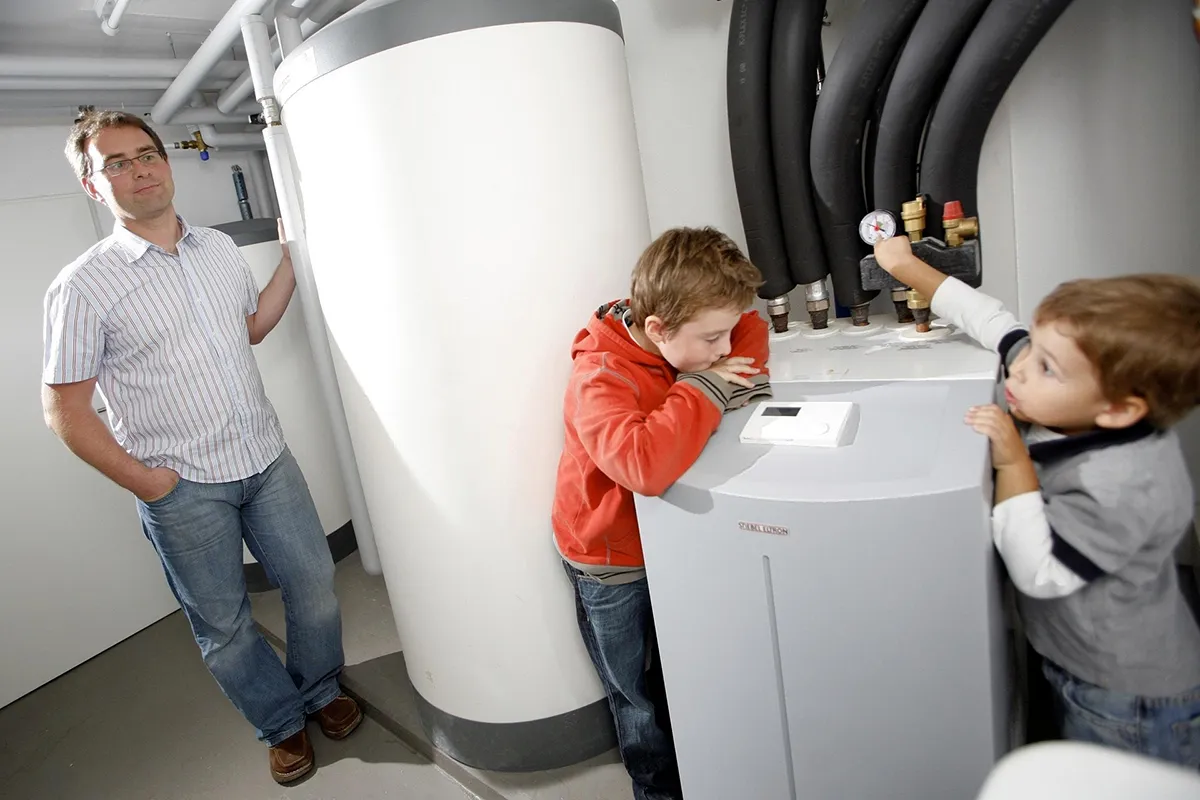
This is why combining heat pumps with energy storage systems is becoming increasingly relevant. Thermal stores are one example: a well-insulated cylinder that can temporarily store surplus solar energy as hot water. Other options include home batteries and demand management, which prevents all heat pumps from running at the same time. For installers, this means considering load distribution, storage strategies and connections to smart grids.
Opportunities for installers
The shift to heat pumps offers opportunities for installers willing to invest in training, advice and systems knowledge. Those who limit themselves to simply installing an appliance risk being left behind in a few years. Tomorrow’s customers want more: a heat pump that adapts to their consumption, a system that communicates with other technologies, and an installation that is efficient and economical.
Tomorrow’s installer, or rather today’s installer already, is therefore, to repeat ourselves, less a product salesperson and more a systems designer. They need to develop scenarios, coordinate technologies and understand how heat pumps can be controlled and monitored.
In summary, the heat pump is not a miracle solution to the energy transition, but it is a necessary step towards fossil-free heating and cooling. In the right setting, with well-insulated buildings, low-temperature heating and smart controls, it delivers excellent performance. However, it requires designers and installers to adopt a new approach and think in terms of systems rather than appliances. Those who do so will help build a sustainable future and gain a competitive edge in a rapidly changing sector.
Question about this story? Ask your question
Keep following this
Get an email when a new story is published. No account needed.
- ThemeAlternative heating and cooling
- SubjectHeat pumps