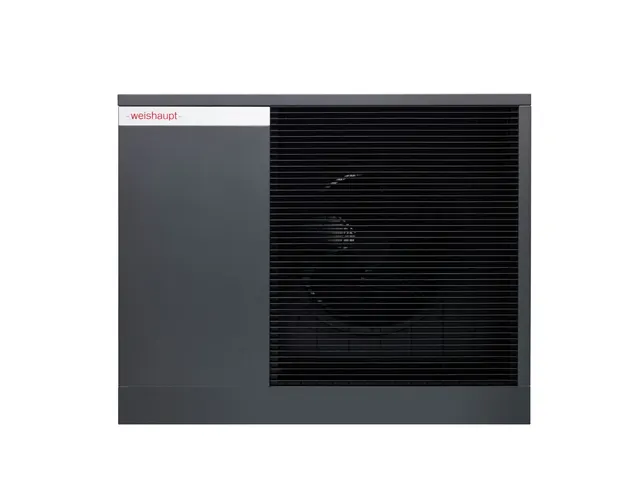
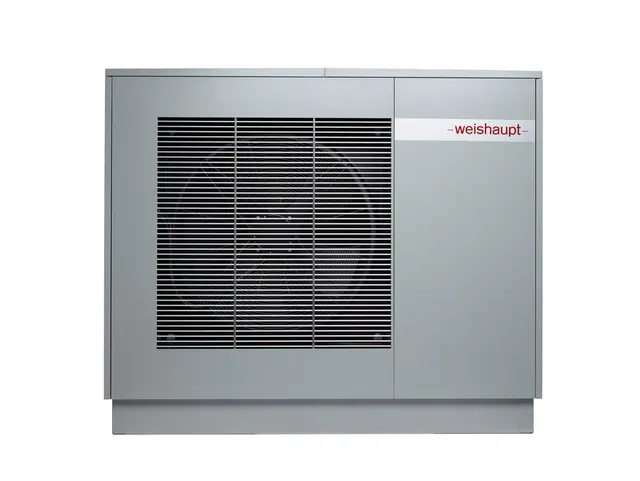
A lower GWP marks the start of a new era for monobloc heat pumps
Texte Wouter Polspoel | Photos AI
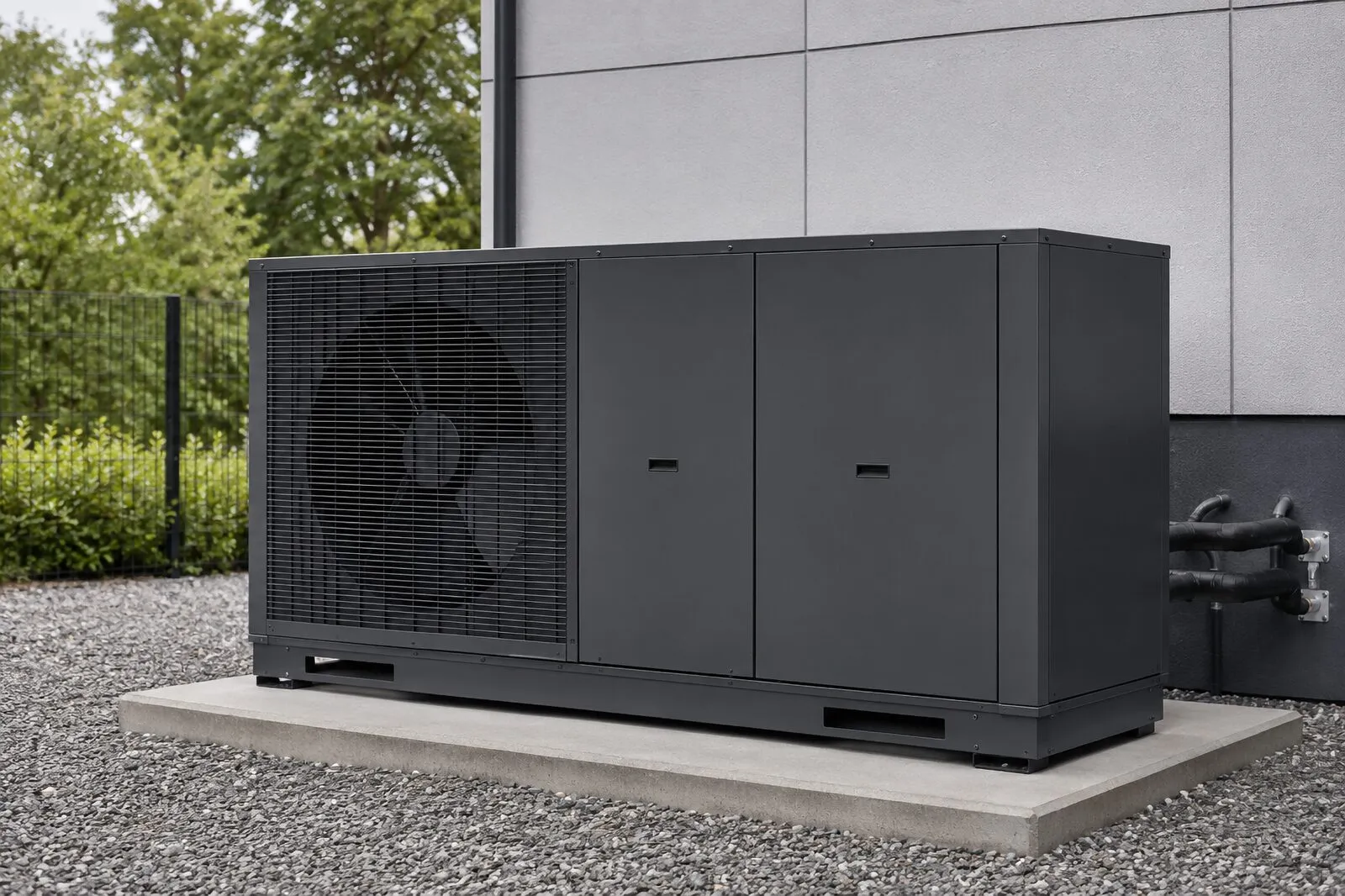
From 1 January 2027, new European regulations will apply to monobloc heat pumps. New units with a rated capacity of up to 50 kW may only be placed on the market if the refrigerant used has a global warming potential (GWP) below 150. Conventional HFC refrigerants, synthetic refrigerant gases made up of carbon, fluorine and hydrogen, such as R32 and R410A, will therefore disappear from this market segment. Notably, the sector, which has been ahead of the curve for some time, is almost unanimously opting for R290, even though the regulations permit several alternative refrigerants.
The new European regulations for monobloc heat pumps stem from the European F-gas Regulation, which entered into force on 11 March 2024 and introduces various bans in stages over several years to limit the use of HFC refrigerants. Although these refrigerants do not affect the ozone layer, some variants have a particularly high GWP. In other words, they contribute significantly to global warming. R410A, for example, has a GWP of over 2,000, while R32 has a GWP of around 675. By comparison, R290, also known as propane, has a GWP of just 3.
From 1 January next year, monobloc heat pumps will therefore be subject to a clear GWP limit. However, this requirement does not apply to all monobloc heat pumps. The new regulations only cover new units with a rated capacity of 50 kW or less.
From next year, these units may only be placed on the market with a refrigerant that has a GWP below 150. The regulation provides for a limited exception only where safety requirements make it impossible to use a refrigerant with a lower GWP.
Existing installations with monobloc heat pumps rated at 50 kW or less are therefore not affected. These heat pumps can continue to be used and maintained, although under increasingly strict conditions.
R290 leads the way among alternatives
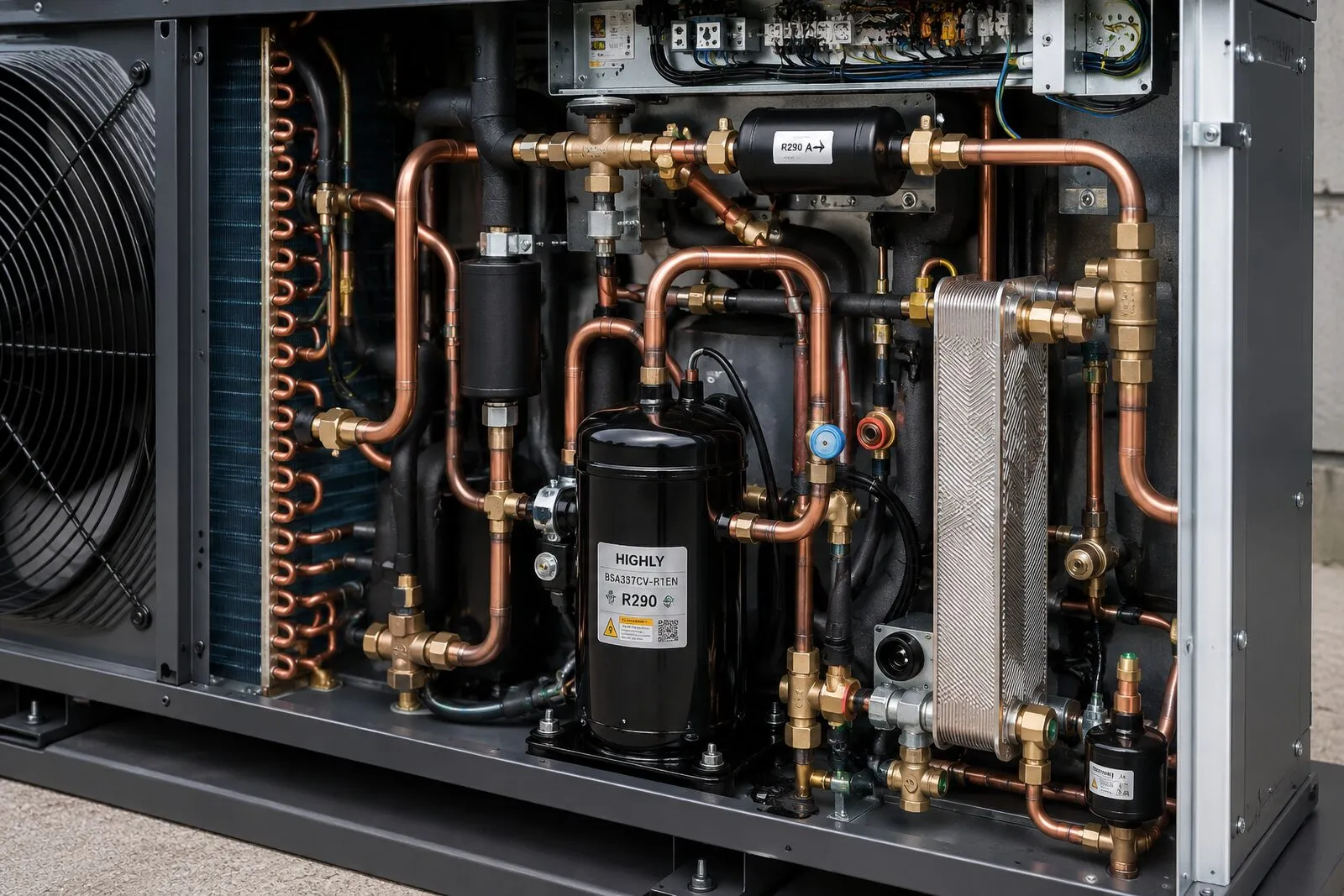
In theory, several refrigerants have a sufficiently low GWP, including some HFCs. Yet, in anticipation of the forthcoming regulations, almost all major heat pump manufacturers are now opting for R290 in their monobloc heat pumps up to 50 kW, and to a lesser extent in their split heat pumps and higher-capacity models. There are several reasons for this choice.
First, R290 comfortably meets the current GWP limit. As mentioned above, this refrigerant has a GWP of 3, so it will remain compliant if regulations are tightened further. Manufacturers can therefore avoid having to redesign their entire product ranges in a few years’ time. Propane also has excellent thermodynamic properties: R290 heat pumps can achieve relatively high flow temperatures without significant losses in efficiency. This makes them suitable not only for new builds, but also for renovations where existing radiators are retained. Seasonal efficiencies also remain high, benefiting both energy performance and running costs. Finally, R290 is now widely available.
New challenges for installers
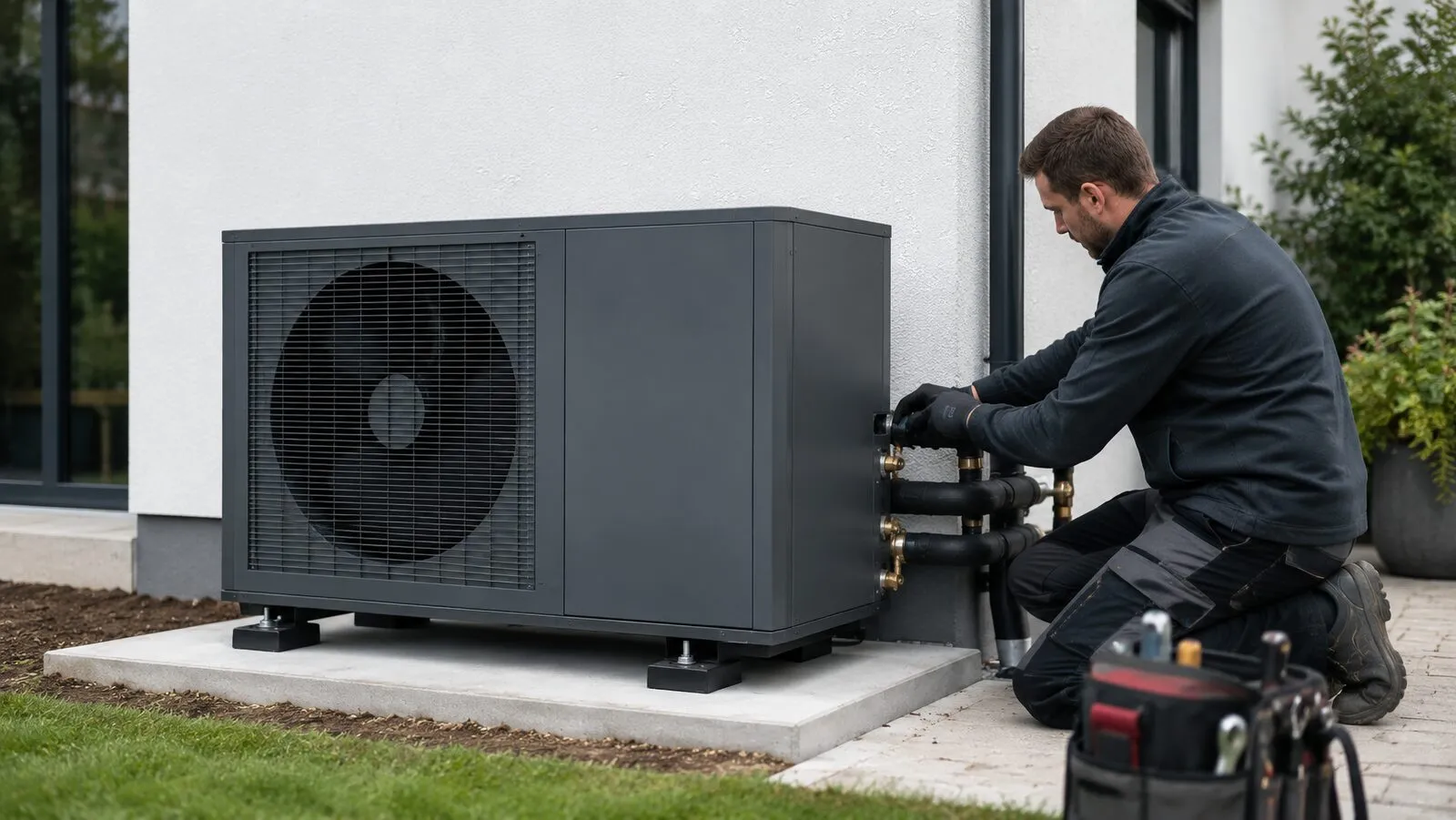
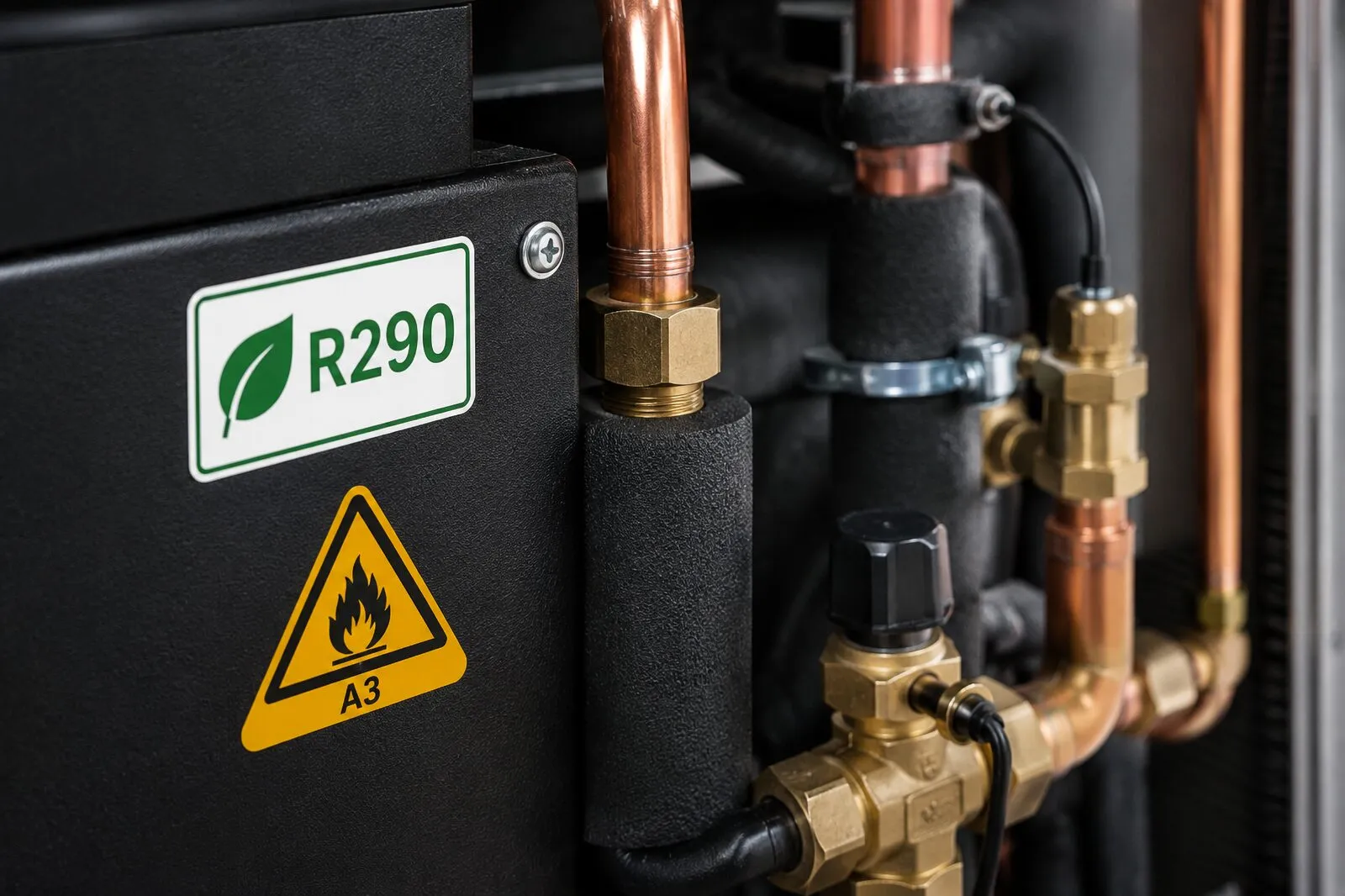
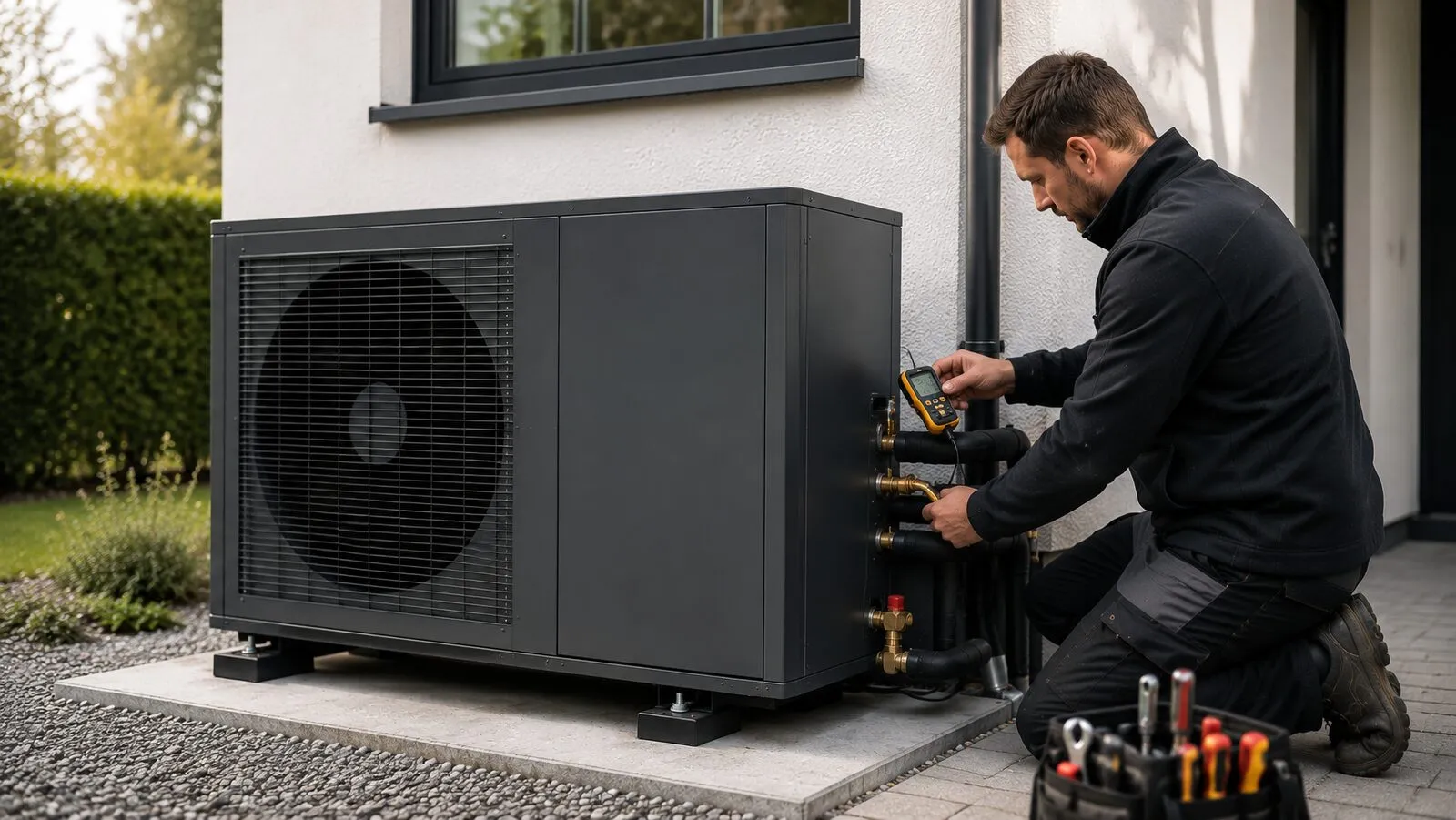
The switch to propane brings new considerations. R290 belongs to safety class A3, which means that, like HFCs, it has low toxicity, but unlike them, it is highly flammable. As a result, stricter rules apply to design, installation, maintenance and repairs. Factors such as the maximum refrigerant charge, the location of the installation, ventilation and potential sources of ignition are now much more important than before. Installer training is evolving accordingly: the new European regulations introduce broader certification requirements for technicians working with alternative refrigerants, including propane.
Less and less room for HFC refrigerants
The F-gas Regulation does more than ban products. It also systematically reduces the amount of HFC refrigerants that manufacturers and importers are allowed to place on the European market through the so-called HFC quota system. HFCs are therefore becoming scarcer and more vulnerable to price increases. From 2026, manufacturers and importers will also have to pay a charge of €3 per tonne of CO2 equivalent for the allocation of these quotas. Although this is not a direct tax on installers or end users, it could push up the market price of HFC refrigerants even further. Switching to alternative refrigerants is therefore not only an environmental choice, but also an economic and strategic one. In addition to imposing product bans and promoting the gradual phase-out of HFCs through the European quota system, the F-gas Regulation also strengthens requirements relating, among other things, to documentation, leak checks and recovery.
The debate is shifting
In short, the new European regulations for monobloc heat pumps and the F-gas Regulation of which they form part will profoundly transform the heat pump market. One might expect the debate to focus mainly on which alternative to HFC refrigerants will become the norm. Europe only sets a maximum GWP limit, leaving room for different alternatives. Yet this question now seems largely settled: R290 is emerging as the new standard for residential heat pumps and is also expected to play an increasingly important role in other capacity classes. The next debate will build on this, focusing on how installers can use R290 safely, efficiently and in compliance with the regulations in force.
In anticipation of the forthcoming regulations, almost all major heat pump manufacturers are now opting for R290 in their monobloc heat pumps rated up to 50 kW.
Question about this story? Ask your question
Keep following this
Get an email when a new story is published. No account needed.
- ThemeAlternative heating and cooling
- SubjectHeat pumps