A heat pump for every home
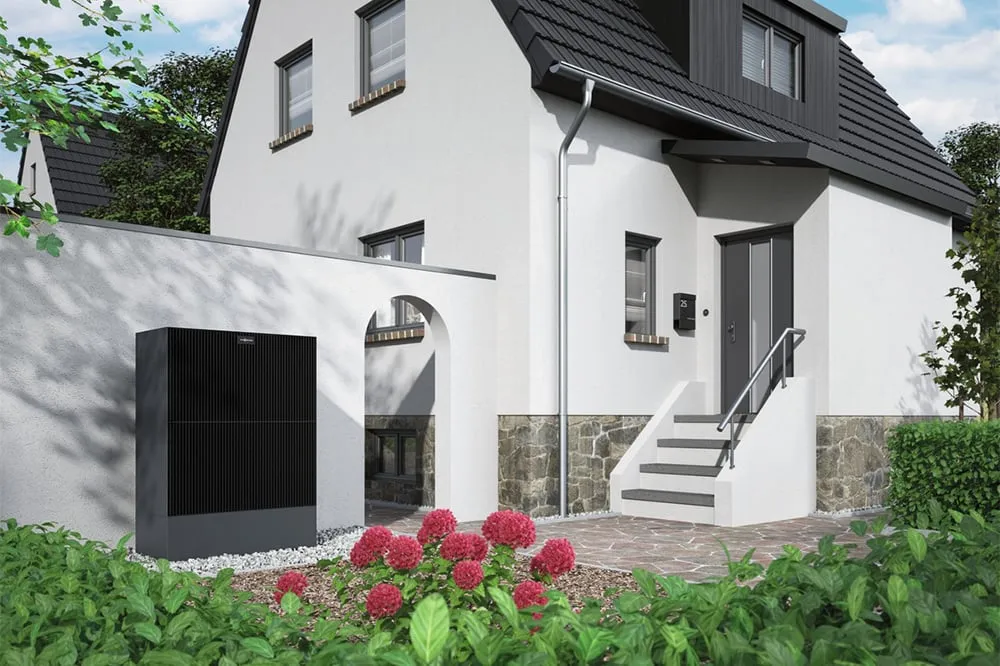
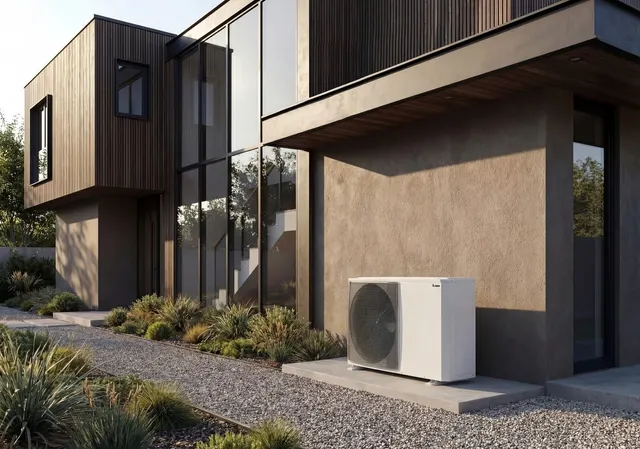
Heat pumps have long been the obvious choice for new builds. But replacing a traditional boiler with a modern, climate-friendly solution also makes sense when renovating. Anyone choosing a heat pump is opting for a sustainable, future-proof system that combines minimal energy consumption with optimum comfort. And contrary to popular belief, heat pumps are also within reach for owners of existing homes, even older ones with radiators.
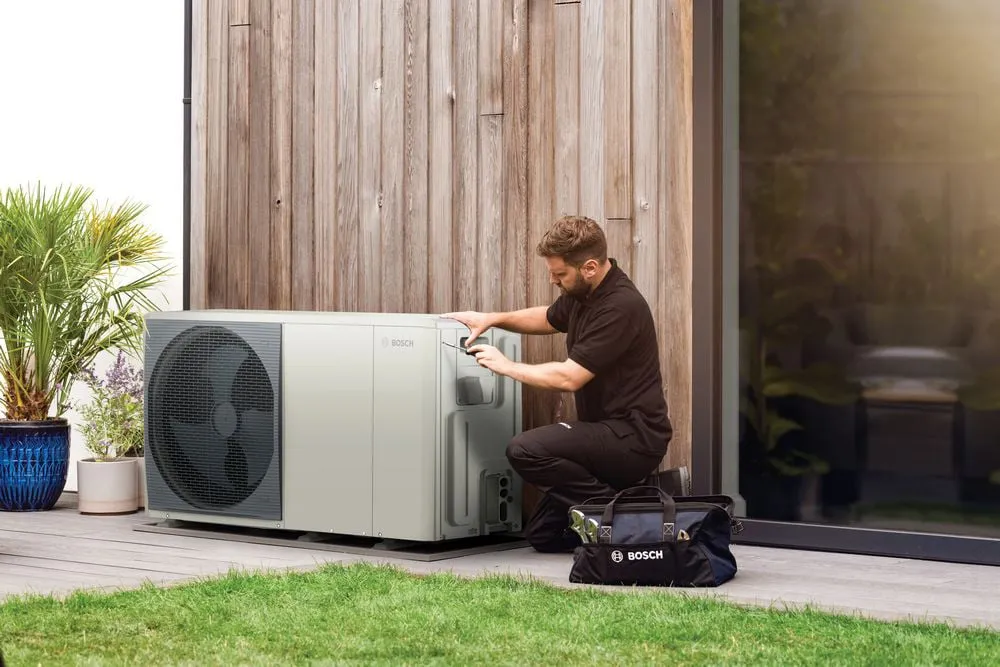
Europe aims to achieve climate neutrality by 2050. By then, we should no longer be emitting greenhouse gases. Anyone investing in a heat pump now is investing in the environment and in future-proof equipment. Heat pumps make us less dependent on energy crises, emit fewer greenhouse gases than traditional boilers and therefore contribute to climate neutrality. They also help buildings meet energy performance requirements and will easily meet future energy requirements set by the authorities.
For some, these environmentally friendly, future-proof benefits may already be decisive. But there are financial reasons for choosing a heat pump too. A heat pump can increase the saleability or rental potential of your home, as well as its value. And if you combine a heat pump with solar panels, you do not have to draw all your electricity from the grid, and can make the most of the energy you generate. Heat pumps are also eligible for various grants, and preferential interest rates are available on green loans, particularly when installing a heat pump as part of a renovation.
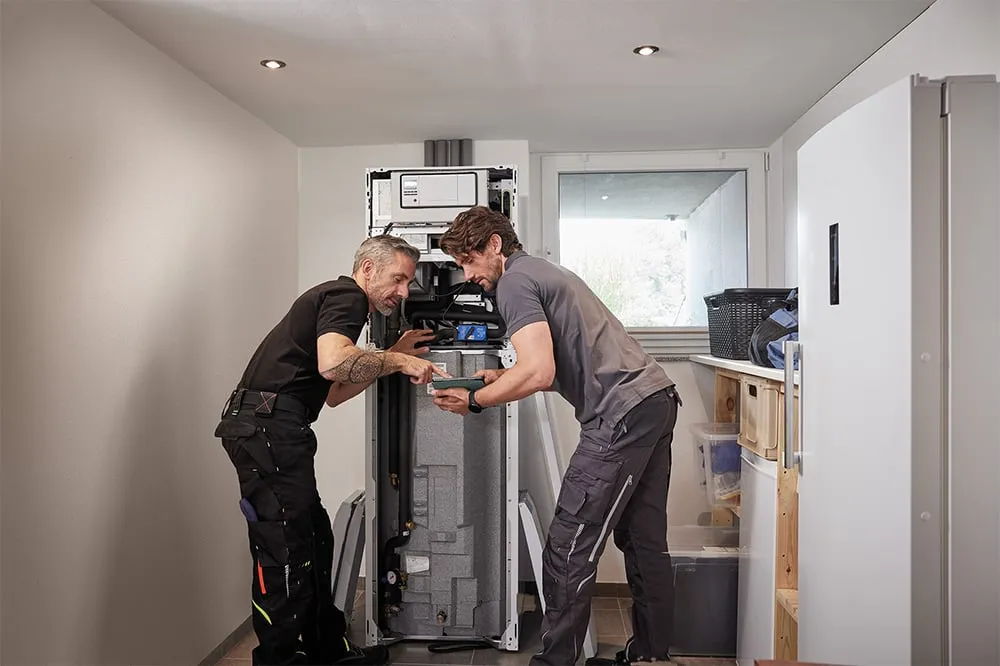
Heat pumps designed specifically for renovation
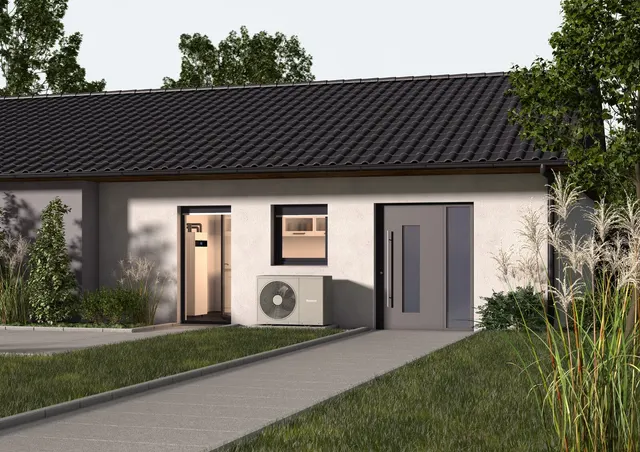
Many people mistakenly think that heat pumps are only suitable for new builds. This is not the case. There is a suitable heat pump for every application in existing homes too, whether for space heating or cooling only, water heating only, or both, and for every budget.
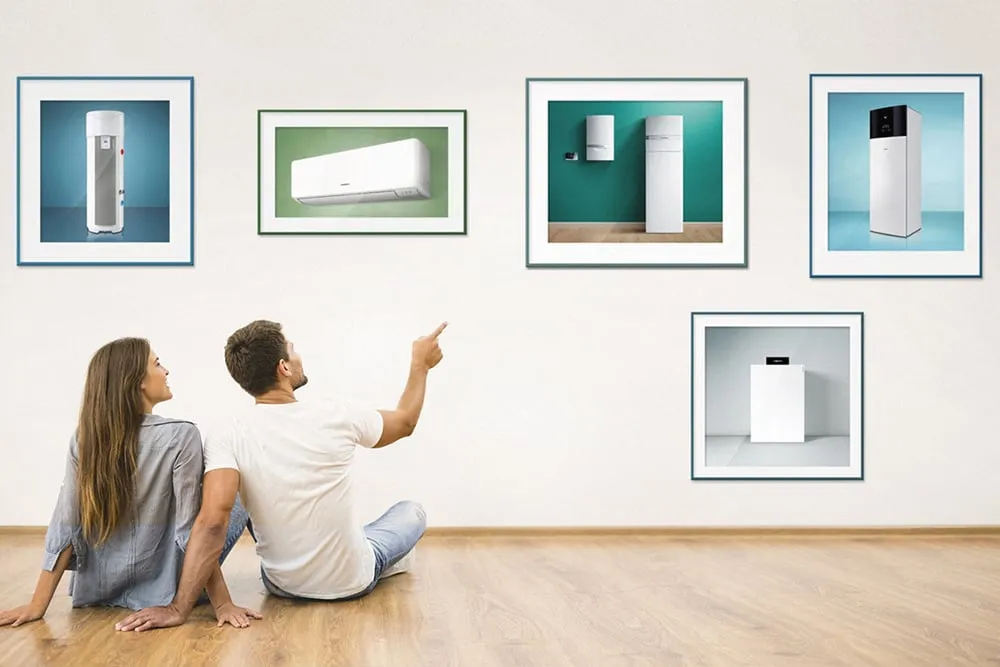
The most affordable and popular heat pumps for renovation are heat pump water heaters, air-to-air heat pumps, hybrid heat pumps, air-to-water heat pumps and ground-source heat pumps.
A heat pump water heater is suitable for any home, regardless of its level of insulation. With an appliance price of between 2 000 and 3 250 euros, it is one of the most affordable renewable energy solutions you can install in a home, but it is only used to heat domestic hot water for baths, showers and cooking.
An air-to-air heat pump is also an affordable, cost-effective solution for an existing home. Until the energy crisis, this type of heat pump was mainly sold as an air conditioner. But it can also reverse its operation and provide heating. This is why they are sometimes called “reversible air-to-air heat pumps” or “air conditioners”. You can use air-to-air heat pumps to heat and cool your whole home efficiently, but they are also an ideal heating solution for rooms you do not want to heat or cool all the time, such as bedrooms and studies. For a single-split system (1 outdoor unit and 1 indoor unit), expect to pay around 975 € or more per unit. Prices for a multi-split system, which heats and cools several rooms, start at 2 500 euros.
Is your home well insulated? If so, opt for an air-to-water heat pump (from 4 500 euros for a low-capacity unit and 12 500 euros for a higher-capacity unit) or a ground-source heat pump (from 6 500 euros for a low-capacity unit and 13 500 euros for a higher-capacity unit). If you choose a duo model, or have enough space to connect your heat pump to a separate hot water cylinder designed specifically for heat pumps (allow for the space required: around 60 cm in diameter and 1.25 to 1.8 m in height), you can produce domestic hot water as well as heat your home. Another advantage you do not get with conventional heating systems is that in summer, the heat pump can cool your home, either through fan coil units or, if you have underfloor heating, through radiant cooling.
When renovating existing homes that are not insulated well enough to be heated by a standard air-to-water heat pump, or when carrying out renovation in stages, a hybrid system that supplements another heat generator is a sensible choice. This is a heat pump that works alongside another heat generator, such as an oil or gas boiler. Adding one is relatively straightforward. The system is designed according to the building’s level of insulation. If the home is properly insulated at a later stage, the second heat generator can be removed, but check with your professional. This system is therefore a sensible option if you are renovating in stages or do not plan to complete the insulation work until later, with the aim of eventually dispensing with your boiler altogether. A heat pump installed alongside an existing central heating boiler costs from 5 300 euros to buy for a standalone solution, depending on its output, and from 7 300 euros if you also want your hybrid appliance to heat your domestic hot water.
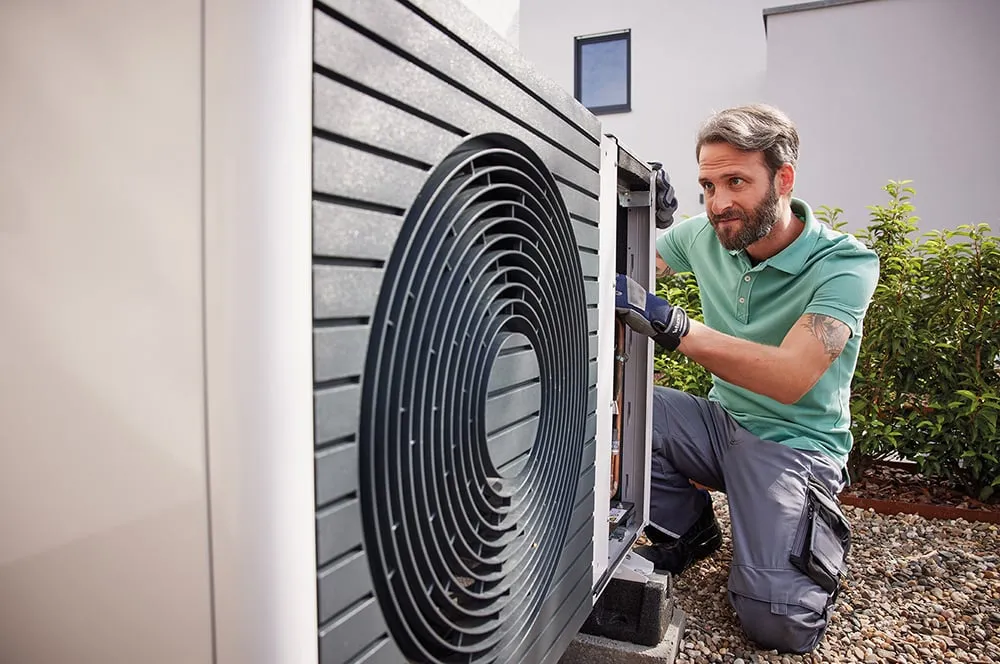
Also suitable for older homes with radiators
Heat pumps are more efficient in very well-insulated homes and achieve their maximum efficiency with a low-temperature heat distribution system, at no more than 45 to 55 °C, and most efficiently at 35 °C, such as underfloor heating.
But this does not mean that heat pumps are only suitable for new homes with underfloor heating. Many older homes with radiators are also ready for a heat pump.
For example, Flemish energy performance certificates (EPCs) submitted over the past two years show that 35 % of existing detached houses are ready for a fully electric heat pump and 33 % can install a hybrid heat pump without major adaptations. Among flats, 76 % are fully compatible with a heat pump and 17 % can install a hybrid heat pump. The remaining residential buildings first need additional insulation.
You do not necessarily have to opt for underfloor heating either. Existing radiators may sometimes be enough to heat a home comfortably at low temperatures, for example because the heat demand has fallen after the home was insulated, or because the original radiators are oversized. If this is not the case, you can add radiators or replace the existing ones with larger radiators or fan coil units. If you want to keep your radiators, you can also choose a high-temperature heat pump that reaches temperatures above 65°C, but it is much more expensive to run.
Is your home heat-pump ready?
Here is a simple way to check whether your home is suitable for a heat pump, without doing any additional work. During the coldest part of the year, set your boiler temperature to 50 °C and open the thermostatic radiator valves. Keep it like this for about two weeks. Does your home stay warm enough? If so, you can replace your gas or oil boiler with a heat pump and potentially keep your radiators. If not, you can opt for a hybrid heat pump and keep your boiler, and/or improve the insulation and invest in heating elements that work well at low temperatures: low-temperature radiators, fan coil units, underfloor heating or wall heating. During the test period, make sure the difference between the day and night temperatures set on your thermostat does not exceed 2 degrees. For example, 20 °C during the day and 18 °C at night. If the difference is too great, it takes much longer to warm the rooms in the morning, which could lead you to draw the wrong conclusions.
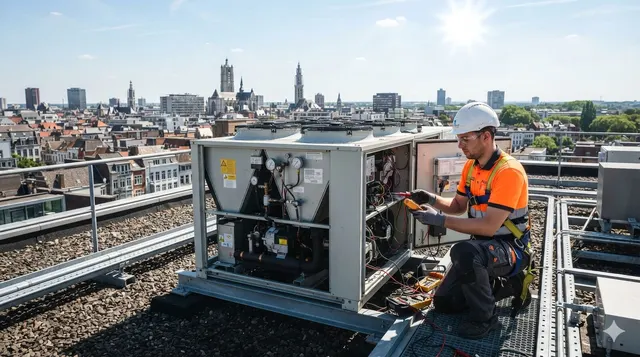
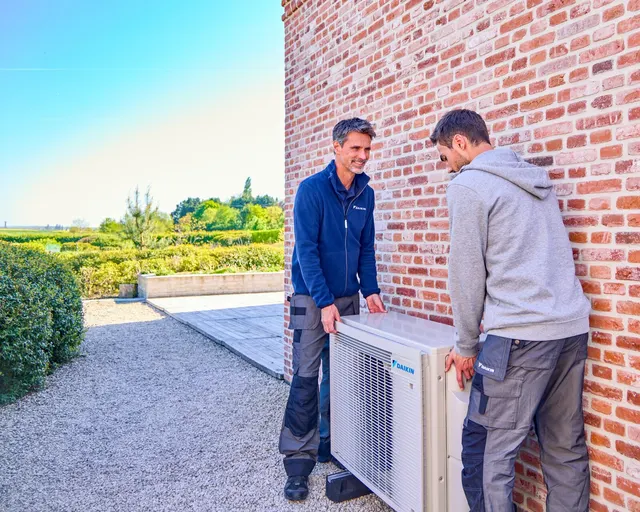
In any case, make sure you seek advice from a professional. There are several factors to consider when assessing whether a heat pump is right for your home. How many amps are available at the meter? Where can the indoor and outdoor units be installed? What are your heating requirements? Is the distribution system compatible? And make sure you do this in good time. Installing a heat pump requires more consideration than installing a boiler, and cannot be done in the blink of an eye. Only professionals can install a heat pump correctly, ensuring optimum thermal comfort throughout the year. What’s more, your heat pump must be installed by an approved installer if you want to qualify for grants later on.

Find out more about heat pumps at www.InfoPompeaChaleur.be.
At www.InfoPompeaChaleur.be, a joint initiative by numerous Belgian heat pump manufacturers and distributors (members of ATTB, the Belgian Association for Thermal Techniques, and FRIXIS, the Belgian Union of Refrigeration and Air Conditioning), you will find all the latest information, advice and prices.
Prices exclude accessories, installation, any heating distribution system, grants and VAT.
Question about this story? Ask your question
Keep following this
Get an email when a new story is published. No account needed.
- ThemeAlternative heating and cooling
- SubjectHeat pumps