When artificial lighting imitates natural light
Texte Philippe Selke | Photos Delta Light & ERCO Lighting
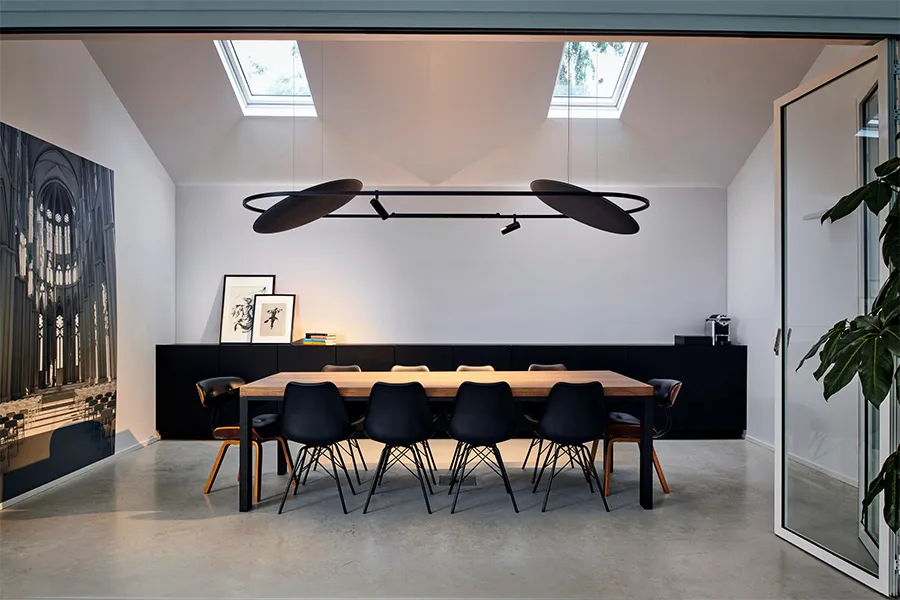
We spend up to 90% of our time in enclosed spaces deprived of natural light, such as shopping centres and offices. In these places, artificial lighting remains constant throughout the day, with no change in colour temperature or light intensity, practically eliminating the differences between day and night. Human-centric lighting aims to recreate a natural lighting environment, benefiting people in several ways.
The body clock
Studies have shown that artificial light can do much more than help us see. It can also contribute to the proper functioning of our bodies, both biologically and psychologically. Research indicates that a body clock influences our daily activities. In this context, a light source that remains unchanged throughout the day is not suited to the human body, as different light stimuli are needed to carry out daily functions more effectively.

Putting people first
Human-centric lighting (HCL) has emerged as a way to provide lighting conditions that are in harmony with the body clock. This technology has been made possible by innovations such as LED lamps and digital control systems. By meeting today’s lighting requirements through human-centric design, HCL aims to foster a healthier relationship with the artificial environments in which we live. Human-centric lighting ensures that light colour temperature and intensity are individually adjusted throughout the day, going so far as to replicate natural light, albeit artificially. There is no doubt that natural light remains the best option. However, this concept aims to come as close as possible to its qualities by combining them effectively with artificial light sources.
At a round-table discussion on the subject organised by Architectura in 2019, Catherine Lootens (KULeuven / Groen Licht Vlaanderen) highlighted the need for further research: “More research is needed, particularly because HCL could have a major social impact.” Referring to the KULeuven TETRA research project in collaboration with Howest, she said: “Human-centric lighting is being tested in three buildings: a care home, a basement office with no daylight and the production department of a company. The study examines the impact of light and its absence on activity, sleep, errors, well-being and absenteeism. Scientifically speaking, a lot is changing. Ten years ago, we thought variable colour temperature had a major impact. We now know that factors such as the right wavelength in the spectrum and sufficient brightness are more important for the eyes.”
Back to nature
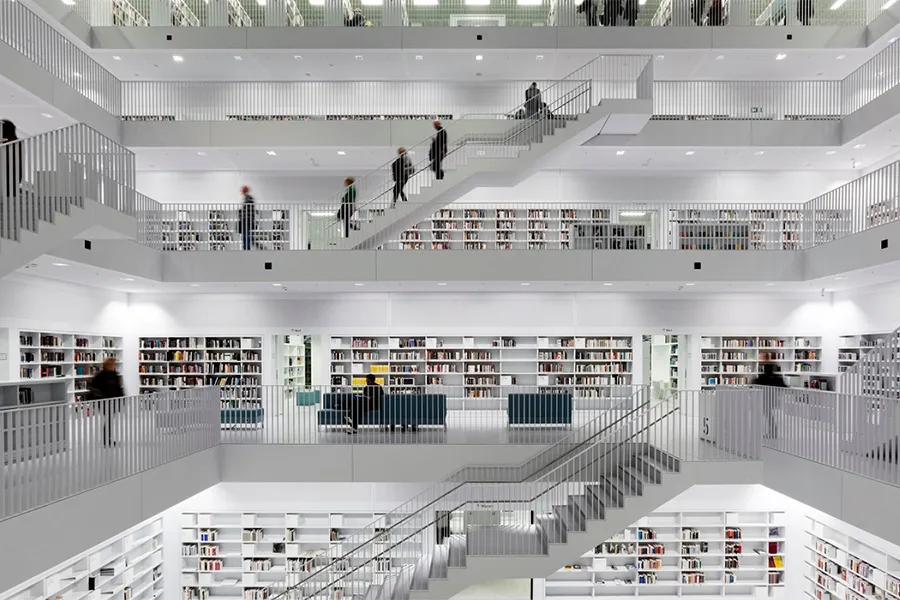
Whatever the application, HCL lighting makes environments more welcoming. It influences users’ behaviour and their ability to perform tasks requiring attention, concentration and a quick response. In schools, for example, human-centric lighting can be used not only to stimulate students’ and staff’s circadian rhythms, but also to improve alertness during tests and tasks requiring concentration. In offices, lighting can affect employees’ alertness, mood, cognition, sleep and health. Inappropriate lighting can cause eye strain and headaches, or even make it difficult to spot a hazard because of insufficient light. Finally, lighting offers several benefits in hospitals, including improving patients’ sleep quality.
Combined with advanced sensors and software, human-centric lighting respects biological needs and meets requirements perceived as natural, offering comfort and well-being that bring us closer to nature, even if that may seem contradictory.
Question about this story? Ask your question
Keep following this
Get an email when a new story is published. No account needed.
- SubjectElectrical engineering