Are solar panels still on track?
Texte Anne Somers | Photos Smart Electric Peeters / Oleksandr Ryzhkov
The figures in the progress report
The wealth of data related to the targets to be achieved by 2050 has sparked a veritable race to publish: never before have so many reports setting out energy targets in figures been published as in recent years. Their readers include not only installers and energy-sector players, but also end consumers. Below, we present a sample of the reports containing figures for 2022. After all, who does not want to know whether the ambitious targets set for 2050 can be met by this crucial year?
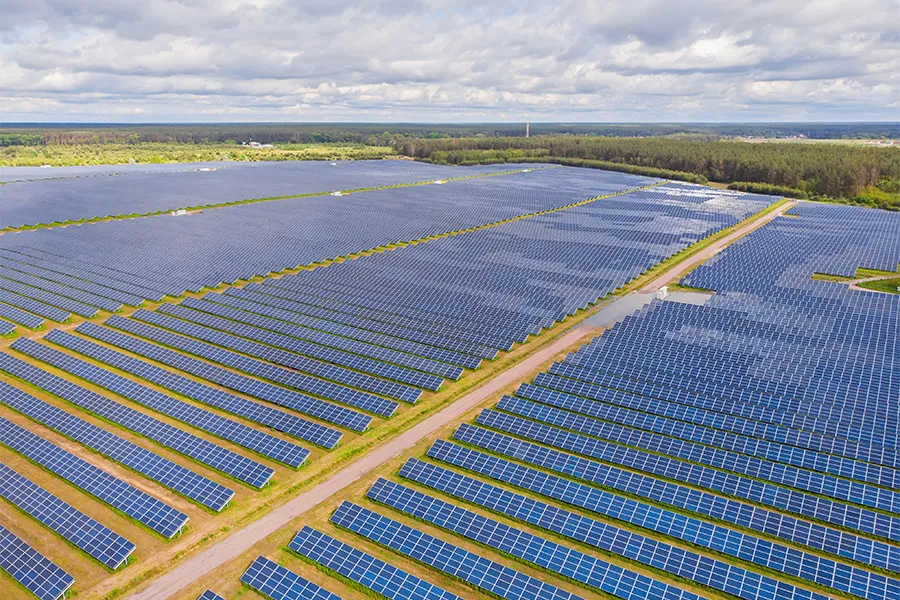
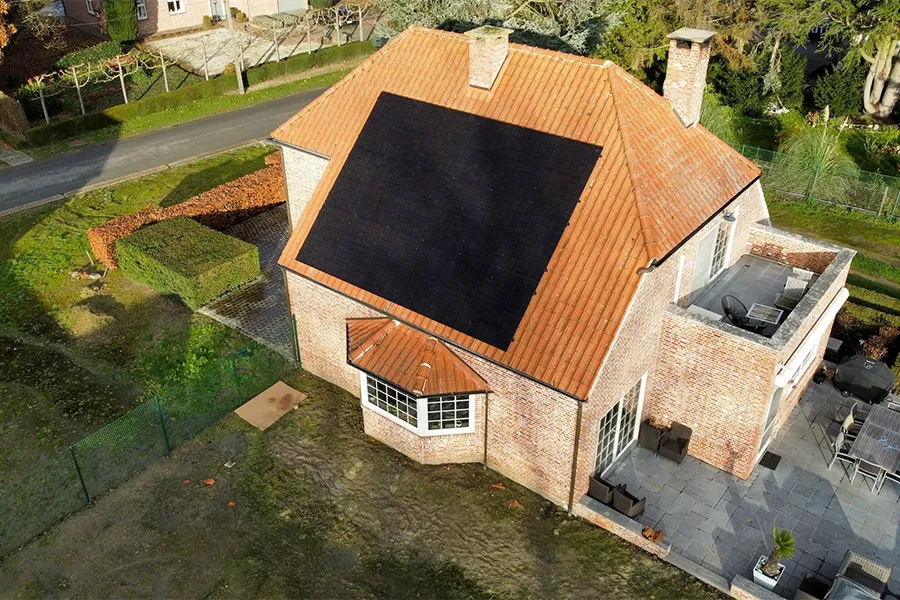
Why is there so much talk about solar panels? Regular readers of Installation & Construction will have little trouble answering that question: although rising raw material prices are making them an increasingly expensive investment, high-capacity solar panels remain the cheapest option for generating electricity in many countries around the world. Demand for solar panels on building rooftops is also set to grow rapidly due to high electricity prices and increased government support. To help consumers cut their energy bills, the exceptional growth in solar panel use seen in recent years will need to continue, with production keeping pace. Sustained investment by governments will be needed to support this process.
“On track”
Solar power generation recorded a record 26% increase in 2022. Of all renewable technologies, it saw the greatest growth last year, overtaking wind power for the first time! This growth is in line with the increase targeted for 2030 under the “net zero emissions by 2050” scenario. The growing economic appeal of solar panels, the massive expansion of the supply chain and increasingly significant government action are already a reality today, particularly in China, the United States, the European Union and India, where production capacity is expected to grow even faster in the coming years. As a result, the status of solar power in the 2023 roadmap has been upgraded from “more efforts needed” to “on track”.
To maintain a sufficient growth rate to meet the climate targets set for 2050, annual capacity additions will need to be almost three times higher than those planned for the 2022-2030 period. This will require unwavering ambition from governments and sustained efforts from both public and private players, particularly in grid integration, regulation and financing. The main photovoltaic markets will be shaped by new policies and ambitious targets, which will further accelerate capacity growth across every sector and setting. At least, that is the scenario expected.
A few figures
• The European Union is accelerating and promoting the use of solar panels in response to the energy crisis. Solar panel output increased by 38 GW in 2022 compared with 2021, a rise of 50%. New strategic priorities and targets are set out in the REPowerEU plan and the Green Deal Industrial Plan.
• The United States introduced generous new funding for photovoltaics under the Inflation Reduction Act (IRA), enacted in 2022. Tax credits for investment and production will provide a major boost to photovoltaic capacity and expand the supply chain.
• China accounted for around 38% of the growth in solar power generation in 2022.
• The second-largest increase in electricity generation (17% of total generation) was recorded in the European Union, just ahead of the United States (15%). Photovoltaics proved resilient despite supply chain problems, high raw material prices and rising interest rates in 2022.
• Photovoltaics account for 4.5% of total electricity generation worldwide, keeping them in third place among renewable technologies, behind hydropower and wind power. To reach annual solar power generation of around 8300 TWh by 2030 and stay on the pathway set out in the “net zero emissions by 2050” scenario, electricity generation will need to increase by an average of around 26% a year over the 2023-2030 period. This is comparable to the growth recorded in 2022, but sustaining it as the photovoltaic market continues to expand will require an unrelenting effort.
An appealing alternative
Amid the high fuel and electricity prices that marked 2021 and 2022, solar panels have become an increasingly attractive alternative for many consumers, generating high levels of private investment. In many countries, however, building large-scale installations is becoming increasingly difficult due to a shortage of suitable sites and complex permitting procedures. This is working in favour of smaller rooftop photovoltaic installations. According to the progress report, decentralised solar power generation and large-scale photovoltaic installations will nevertheless need to grow in parallel, depending on each country's potential and needs.
Conclusion
Solar power capacity expansion is proceeding as planned. The level of demand projected for 2030 in the progress report could even be exceeded, thanks, of course, to the impetus provided by the “net zero emissions by 2050” scenario, which is being pursued with great commitment and supported by various energy policy initiatives, including penalty and reward mechanisms.
Source: the condensed and translated report is available at www.iea.org
Question about this story? Ask your question
Keep following this
Get an email when a new story is published. No account needed.
- SubjectElectrical engineering